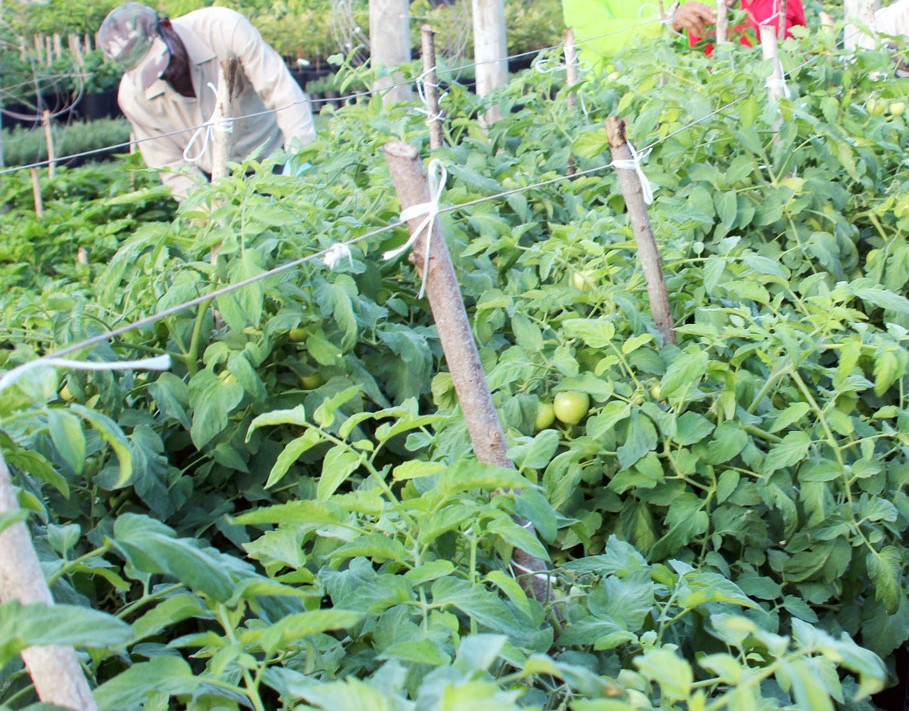
War in the Middle East and a widespread whitefly infestation at home have prompted a $2.5 million increase in the Cayman Islands’ agriculture budget.
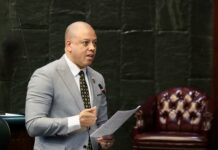
Finance Committee approved the supplementary appropriation without objection last week, with Agriculture Minister Jay Ebanks saying the money was needed to meet a range of new pressures.
He cited higher feed prices and increased shipping costs linked to the conflict in Iran, along with the ongoing battle against spiral whitefly, among the reasons for the increase.
The funding will be used to purchase agricultural supplies, including chemicals, and for private pest-control contractors to assist with the whitefly response.
Ebanks said the increase in spending reflected higher demand from farmers, as well as external pressures.
“This is an increase in demand, and also, with the recent war that’s been going on [there is] an increase of feed [prices] and increase of bunker charges and port charges that are being applied to our containers as they come in.”
Whitefly response
The Department of Agriculture launched a district-by-district spray programme in April to tackle a surge in spiral whitefly infestations across Grand Cayman, running through the end of June.
Asked whether the new funding would support that response, the minister confirmed some of the money would go toward pest control.
“It is something that agriculture has been battling for quite some time. They are reaching out to some of the pest-control sprayers, to try to help them get control on this. So they’re buying extra chemicals as they need to be able to go out to help that,” Ebanks said.
He added that the funding, combined with existing resources, was expected to cover costs “to the end of December”.
Farmer debt amnesty
Responding to a question on a proposed amnesty for farmers who owe money to the Department of Agriculture, the minister said a Cabinet paper on the matter was being prepared.
He said some individual farmers had already had debt relief approved outside the formal amnesty process.
A separate $21 million supplementary appropriation for land purchases, considered later in the same session, was confirmed by the minister to include an unspecified amount for agricultural use.
The minister declined to give a breakdown of the $21 million by category in open session, citing the risk that publicising specific figures could affect ongoing land negotiations.
Related Videos