In a cardiac emergency, every second counts. Quick access to an automated external defibrillator (AED) can make a life-saving difference, especially in the critical minutes before emergency responders arrive.
“Survival rates decrease significantly with each minute that passes without CPR and defibrillation,” says Christina Kish, director of the local nonprofit LifeLine.
The volunteer organisation is dedicated to improving survival rates from sudden cardiac arrest through awareness, education, and access to rescue-ready AEDs.
PulsePoint AED app
In October of 2025, it launched the PulsePoint AED app, giving the public and emergency responders a fast, reliable way to locate the nearest defibrillator during a medical crisis.
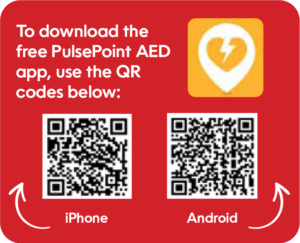
The free app – available on the Apple App Store and Google Play – displays a live map of rescueready AEDs across all three islands. Each device has been inspected and verified by LifeLine’s volunteer network, LifeForce.
“The app gives members of the public, businesses, schools, and community organisations a clear way to see where verified AEDs are located across the islands,” says Kish. “In an emergency, this can help reduce the time spent searching for a device when every minute matters.”
Users can also submit new AED locations for verification through the app. Each device is registered on the LifeLine National AED Database.
An AED is a portable electronic medical device used to treat sudden cardiac arrest. Designed for use by non-medical personnel, AEDs are an invaluable tool in time-critical situations.
Kish says one of the greatest benefits of the project has been increased public awareness of the life-saving impact of CPR and quick access to an AED.
“It has also helped start important conversations around regular AED checks, pad and battery expiry dates, visibility, and accessibility – all of which are essential to improving outcomes during a cardiac emergency,” she says.
To learn more or to volunteer, visit lifeline.ky or follow @lifelinecayman on Instagram and Facebook.
How to use an AED
Every minute counts. Don’t be afraid to use it – the AED will guide you step-by-step.
1. Call 911 immediately
If someone is unresponsive and not breathing normally, call 911 or direct someone nearby to call.
2. Start CPR
Begin chest compressions if you are trained or feel comfortable doing so.
3. Turn on the AED
Open the lid or press the power button. The device will begin giving voice instructions.
4. Attach the pads
Expose the person’s chest and place the pads exactly as shown on the pad diagrams: – one pad on the upper right chest – one pad on the lower left side below the armpit
5. Stand clear
The AED will analyse the heart rhythm and determine if a shock is required. Do not touch the person during this process.
6. Deliver the shock if advised
If the AED says “shock advised”, make sure no one is touching the person, and press the shock button if prompted. Some AEDs will deliver the shock automatically – just stand clear.
7. Resume CPR immediately
Continue chest compressions right after the shock, or if no shock is advised, until emergency responders arrive. Important: The AED will only deliver a shock if it is needed. You cannot accidentally shock someone unless the device determines it is appropriate.
Get trained in CPR
CPR training is a life skill – everyone should take the course.
This article originally appeared in Compass Media’s 2026 Emergency Guide.
Related Videos