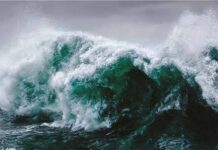
A tsunami is a large wave, or series of waves, generated by major earthquakes beneath the ocean floor, or major landslides into the sea.
When the waves enter shallow water, they may rise to several feet or, in rare cases, tens of feet, striking the coast with devastating force.
People on the beach or low coastal areas need to be aware that a tsunami could arrive within minutes after a severe earthquake, so every moment counts.

Remember these steps to save lives should this natural disaster occur:
BEFORE
Learn the signs of a potential tsunami:
· A strong earthquake lasting 20 seconds or more near the coast.
· A noticeable rapid rise or fall in coastal waters, or sudden draining that exposes the sea floor.
· Practise your evacuation plan and map out your escape routes from home, work or school.
· Shelter at least two floors up from ground level.
· Create a family emergency communication plan that has an off-island contact. Decide where to meet if you get separated.
DURING
· You should first protect yourself from the earthquake, following ‘duck, cover and hold on’.
· When the shaking stops, gather members of your household and move immediately to higher ground away from the coast.
· Move to the upper floors of a concrete building or to higher ground, and go inland, away from the shoreline. Go as high or far as you can. Every foot inland or upwards may make a difference.
· Take your emergency preparedness kit.
· Take your pets with you.
· If you’re in a boat, face the direction of the waves and go out to deep water.
· Leave your location immediately if you are told to do so.
AFTER
· Listen to local alerts by authorities giving information on areas to avoid and shelter locations. Return home only after local officials tell you it is safe.
· Avoid wading in flood water, which can contain dangerous debris. Water may be deeper than it appears.
· Be aware of the risk of electrocution. Underground or downed power lines can electrically charge the water.
· Conduct an inventory and contact your insurance company for assistance.
· Save phone calls for emergencies. Use text messages or social media to communicate with family and friends.
· Stay away from damaged buildings and roads.
· Use caution when re-entering buildings. Tsunami-driven floodwater may have caused damage where you least expect it. Carefully watch every step you take.
· Monitor animals closely and keep them under your direct control.
Related Videos