

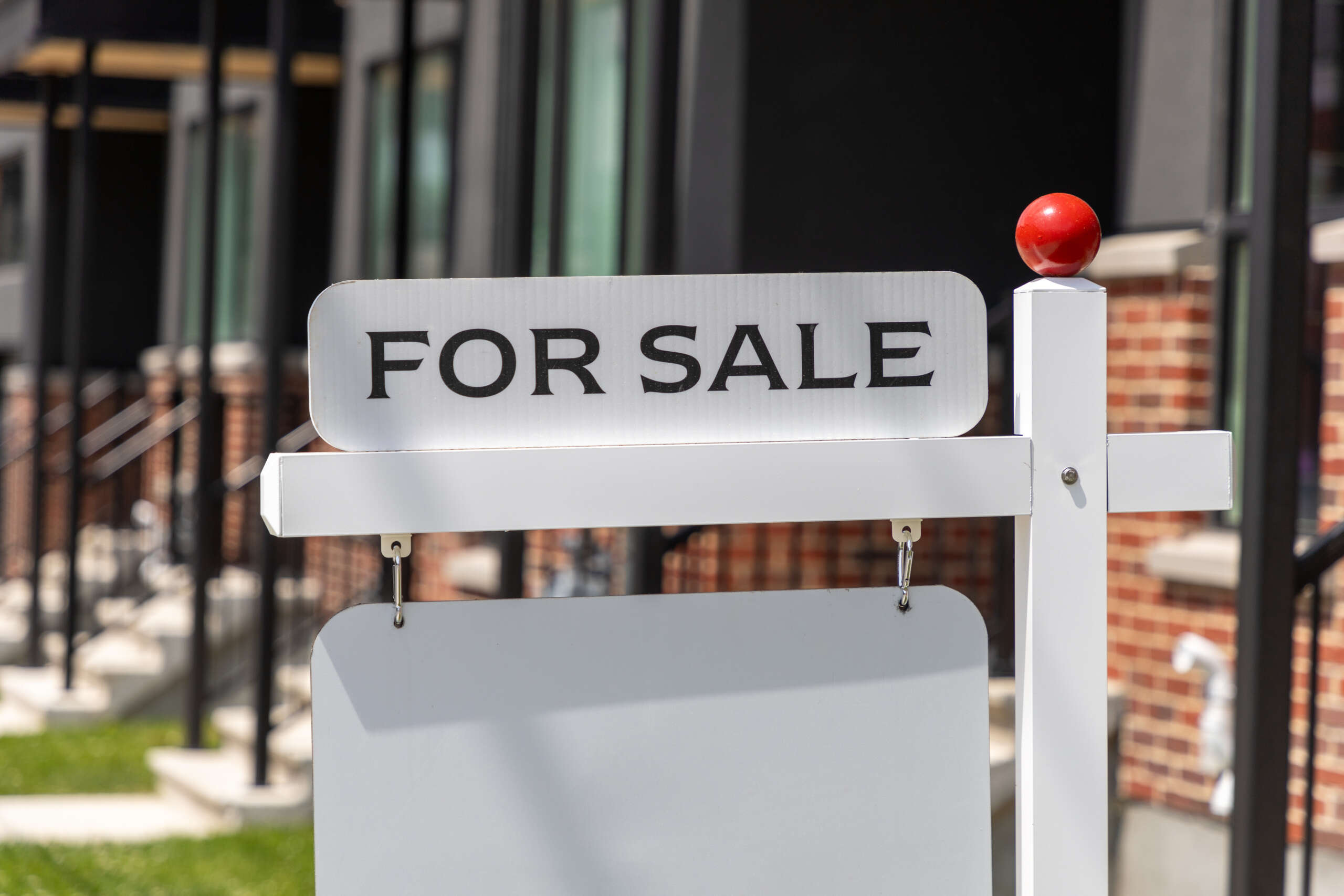
Cayman’s booming property prices might benefit owners, but they are preventing young Caymanians from getting on the housing ladder.
According to a panel of real estate experts, Cayman’s lack of affordable housing stock is the chief challenge. Other mooted solutions, such as cutting stamp duty and offering cheaper loans, won’t work until there is a ready supply of affordable housing on the islands.
Property prices in Cayman have soared over the last two decades. The Residential Property Price Index, launched by the government on 26 Sept., shows that average prices across the islands rose by between 334% and 517% from 1998 to 2024. That’s great for existing homeowners but makes it more challenging for Caymanians to purchase property.
“If you look at the inventory on [the Cayman Islands Real Estate Brokers website] there are only three houses listed below $250,000 currently – two single-bedroom condos in North Side and one house in Cayman Brac,” said Amanda Bodden, head of retail banking at Butterfield Bank and president of the Cayman Islands Bankers Association. “Even if you increase the maximum price to $500,000, there are only about 180 residential properties on the market for sale with a population of some 80,000 people.”
Bodden was speaking at the Property Update Forum 2025, organised by the Royal Institution of Chartered Surveyors on 24 Sept., where a panel of real estate experts debated solutions to Cayman’s affordable housing problem.
“We could drop interest rates to zero or stretch amortisations, but a million-dollar property still won’t be affordable,” said Bodden. “Credit access is solvable, but purchase prices are the real barrier.”
Bodden’s central point was that banks can’t solve the housing crisis on their own. “It requires government, banks and developers all at the table to discuss solutions,” she said. “Inventory doesn’t exist today, but it needs to be produced through a public-private partnership.”
Infrastructure
One way the government can help is by building supporting infrastructure, such as roads, to open up new areas for development. “Growth is essential – either by building cheaper out east [on Grand Cayman] or increasing density in existing areas like West Bay or George Town,” said James Bovell, a broker and owner at RE/MAX Cayman Islands. “Density creates issues like parking, so going east is likely the better solution. Long term, we need 25- to 50-year planning, not just short-term fixes.”

The other advantage of eastern Grand Cayman is that less expensive land is available, which helps reduce the final cost of housing “Developers need affordable land if they are going to build affordable property,” said Bovell. “Planning is also a problem as it takes too long, while the inflation in construction prices is another challenge.”
Andrew Gilbert, chairman of the Cayman branch of the chartered surveyors institution, agrees that infrastructure is needed to support new housing development but noted that public transport is also part of the solution. “Other cities thrive with strong transit systems. Cayman won’t have trains, but we need a proper bus network to get past traffic bottlenecks. Without that, people won’t see value in moving east.”
Environmental challenges
While all panellists agreed the Cayman Islands needs more affordable housing, some also voiced environmental concerns. “Cayman’s impressive economic growth has led to an expanding population and that manifests itself in many ways,” said Eric Cameron, president of the Cayman Association of Architects, Surveyors and Engineers. “We see traffic congestion, a growing landfill, shrinking beaches and a pressurised ecosystem – so any new infrastructure needs to support sustainable development.”
Cameron highlighted flooding as a potential issue for new homes. “The reality is that most of the best spots for high-and-dry development have been taken, so some of the new housing might get built on lower-lying land,” he said. “The government needs to really look at storm water management.”
This isn’t just an environmental issue. Increased risk of flooding leads to higher insurance costs, which then impacts the affordability of new housing. This problem is being exacerbated by climate change, which is increasing the frequency of extreme weather events in the Caribbean.
“[Insurance] costs are largely out of our control,” said Bodden, “but accessibility long term is a real risk. Wealthier individuals sometimes self-insure, but that’s not an option for most. We must ensure continued access, though cost will remain a challenge.”
If the government can’t increase the supply of housing, there is another solution – it could reduce demand from international buyers through immigration or tax reform. Yet industry professionals speaking on the sidelines of the forum warned the economic damage such policies might cause could outweigh the benefit of cheaper housing.
Related Videos










As a caymanian, younger caymanians have so many handouts and benefits. I don’t see their issue. They already get a MASSIVE break when it comes to stamp duty. They get subsidized turtle meat too. We have it really good.
I’m not sure if the ones complaining are the ones emotionally effected by AI.
Finally start implementing a mass transit system and change the zoning rules to allow less parking spot required for multi story residential dedicated for affordable housing with index based rental, and change the PR point rules to long-term invest in affordable housing projects rather than “forcing” them to buy prime real estate…
Any housing solution which encourages urban sprawl, as is being suggested by some panelists in this story, far from solving existing problems is simply going to create more.
Better use of existing space especially brownfield space is the least expensive most environmentally efficient way to proceed.
Look, it,s a simple problem, we either create sensibly-priced housing for those living and working on the islands or we pay more so everybody can afford housing which seems to start with six figures.The third alternative is as unacceptable as it is obvious.
Sensibly priced housing starts with proper planning tactics and those tactics have to encompass a few fairly straight-forward facts. The first of which is we expect our population to grow, indeed our entire economy stands or falls based on that simple supposition.
And it cannot grow without people to grow it and people need housing. QED