


Cayman might be one of the safest islands in the Caribbean but that doesn’t stop international cyber criminals from targeting residents.
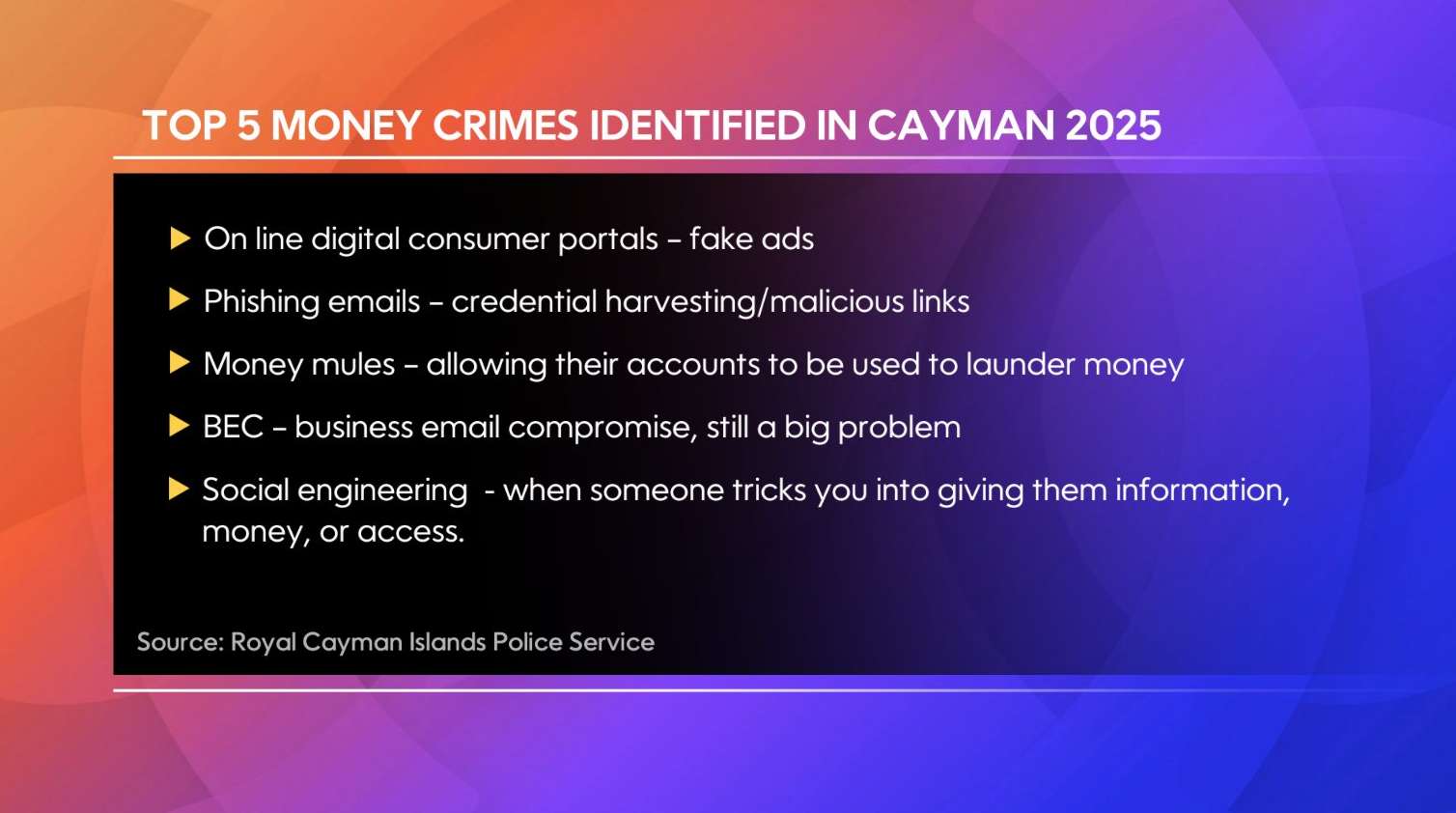
John Watson, head of cybercrime investigation at the Royal Cayman Islands Police Service, appeared on Compass TV’s Daybreak show on 15 Jan. to warn that increasing numbers of people on the islands are falling victim to online crime.
“Unfortunately, in 2025 we did see a rise in people being scammed on island,” said Watson, adding, “They are targeting us because they have been successful here and the more successful they are, the more they will see us as a legitimate target.”
Cybercrime is on the rise globally, yet Watson feels that it is being exacerbated by the cost of living in Cayman. “As austerity increases on this island, more people look for bargains but unfortunately when you look for a bargain online, it’s often too good to be true.”
According to Watson, typical scams involve a property rental or sale that has attractive prices but needs the buyer to transfer immediately. “We’ve been working with [online retail sites] and they are putting up warning signs.”
Befriending a mule
While the victims live in Cayman, most of the perpetrators are based abroad, said Watson. He added, “We don’t find a lot of criminals on this island; they tend to be international.”
That matters because once that money goes abroad it can be very difficult to get back. “People need to report cybercrime to us immediately, so that we can freeze the money as quickly as possible,” said Watson.
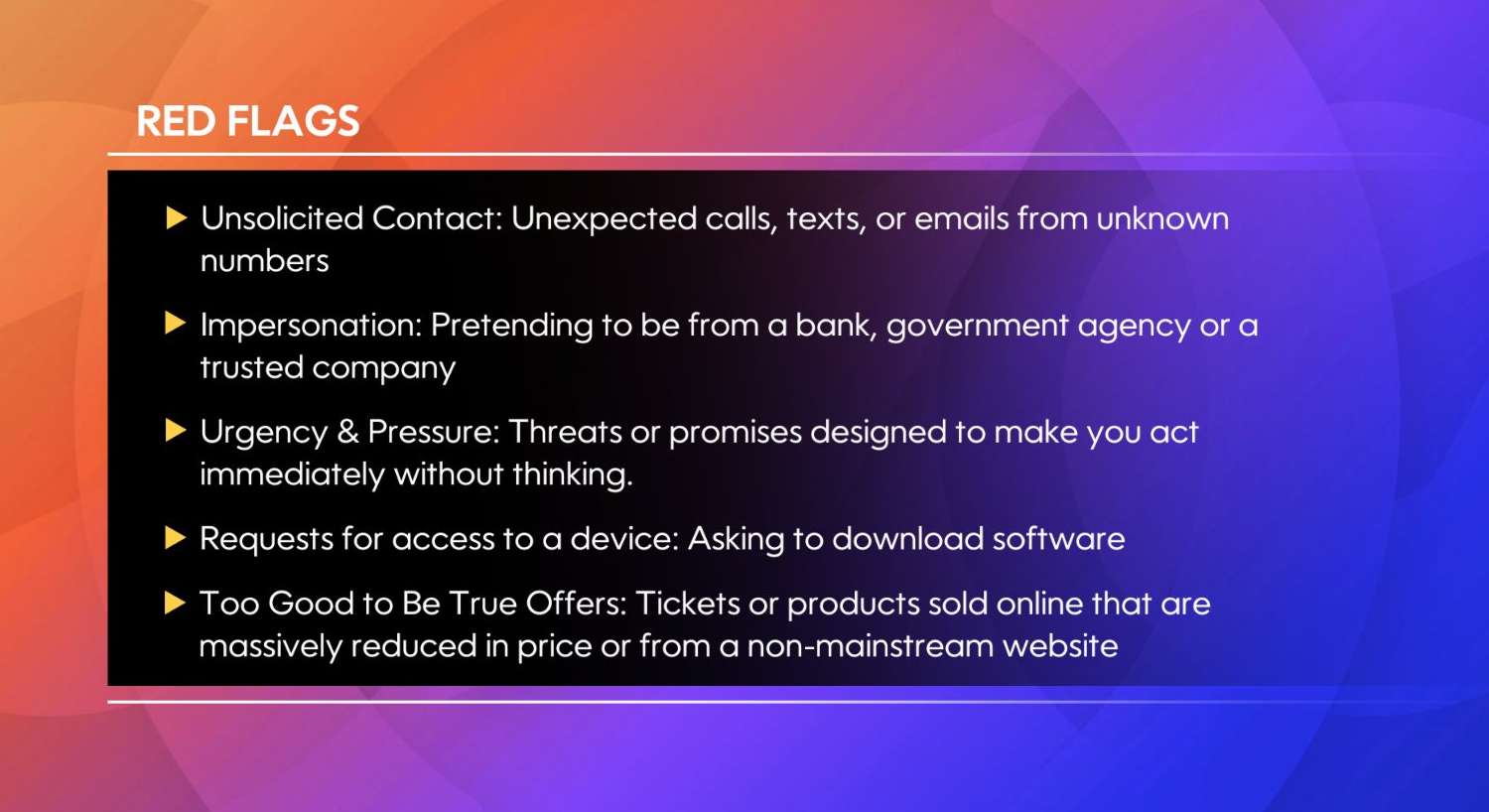
Despite the distance, cyber criminals work to build a close relationship with their victims, explained Butterfield’s security and fraud officer Stephen Brayshaw speaking on the same show.
“They are luring [victims] in by saying you can help out in your local community or charity, so they build that trust by asking a favour so because once you have done that for them you become part of their trust network,” said Brayshaw.
Being tricked online doesn’t just threaten your bank balance. If you fall victim to ‘money muling’– one of the fastest-growing scams in Cayman – you could also end up in jail.
Money muling is when someone uses their personal bank account to handle money for an unknown third party. Often the fraud begins with a message via social media that asks the bank account holder to receive, send or withdraw money in return for a payment.
It might seem harmless, but the money is typically linked to criminal activity. And Cayman bank account holders who agree to handle the money may be committing a serious offence, warns the Cayman Islands Bankers Association.
Related Videos













The potential for cybercrime is far, far worse than this.
A friend was in Florida and received a phone call from someone claiming to be a police officer. They said that the friend’s relative was in jail after hitting a pedestrian.
They even put that “person” on the phone. In that person’s voice they confirmed what the “police officer” had said and asked for my friend to send money to bail them out.
It was only by sheer luck that my panicking friend called another relative for help, who told them that the supposedly jailed person was sitting next to them.
It gets worse. Every computer and cellphone is made with components from multiple companies in multiple countries.
It’s almost impossible to scan all the software to look for hidden trapdoors that would allow a hostile to take it over.