LifeLine, a local nonprofit that promotes AED placement, maintenance and CPR awareness, has launched a new mobile app designed to improve public access to defibrillators during cardiac emergencies, as part of broader efforts to strengthen Cayman’s emergency response system.
The initiative comes as cardiovascular disease remains the leading cause of death in the Cayman Islands, accounting for 27% of all fatalities.
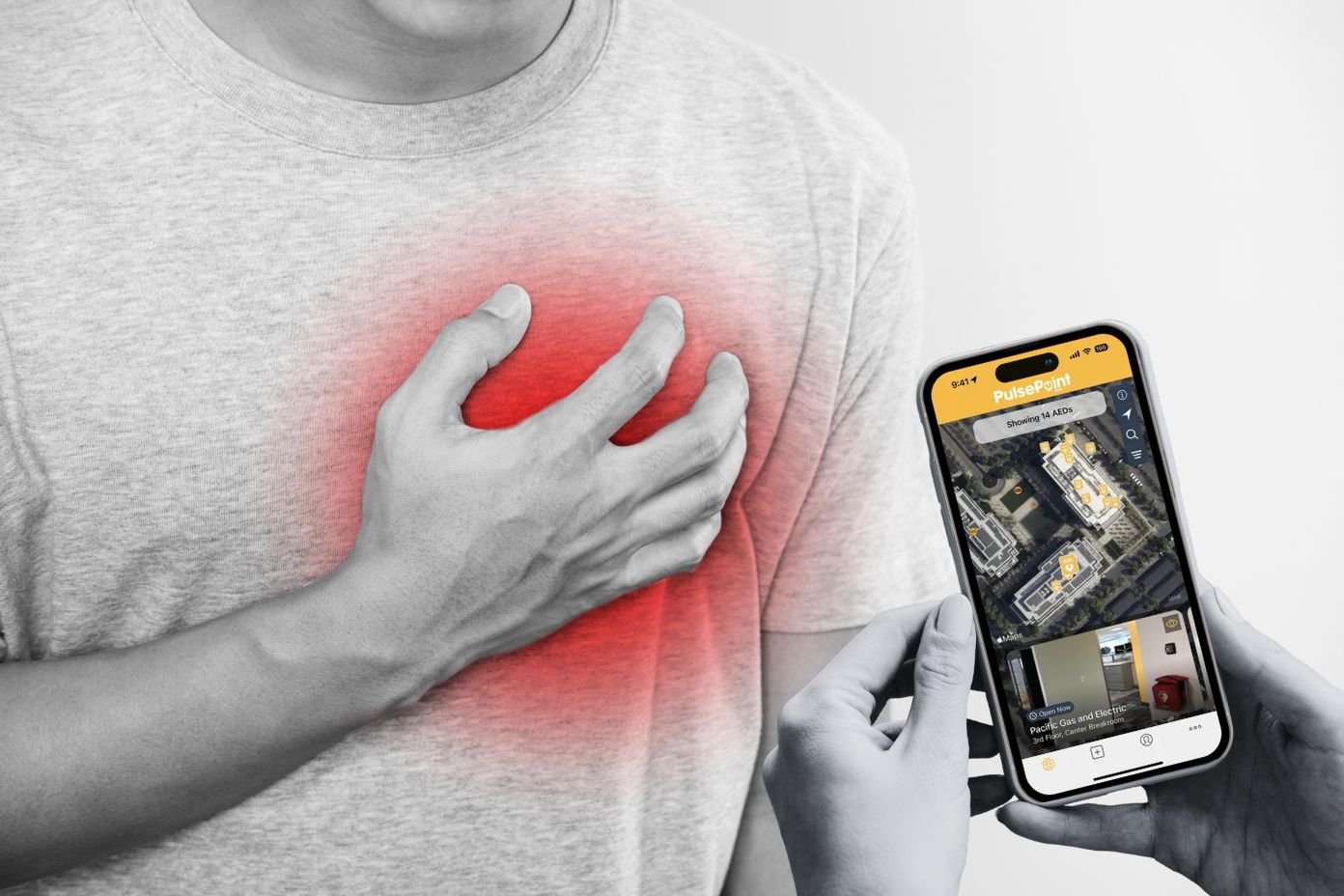
The PulsePoint AED app, now available on Apple and Android devices, allows users to locate nearby publicly accessible and fully functional automated external defibrillators. The app draws on LifeLine’s national AED database, which has been under development since the charity’s launch in 2020.
LifeLine director Sharon Philbrick said the organisation began cataloguing AEDs to address a critical gap between the moment emergency services are called and the arrival of an ambulance on scene.
“The first action in any cardiac emergency must always be to call for help and dial EMS or 911,” Philbrick said. “What we are trying to do with the LifeLine National AED Database and the PulsePoint AED app is help fill in the waiting time between calling for an ambulance and the ambulance’s arrival at the scene of the cardiac arrest, which sadly can be too long.
American Red Cross data points to the challenge of improving cardiac arrest outcomes. More than 15% of out-of-hospital cardiac arrests occur in public settings, yet AEDs are used by bystanders in just 12.6% of those cases.
Survival rates for out-of-hospital cardiac arrest remain around 10%, underscoring the importance of rapid intervention. Each minute of delay in providing CPR and defibrillation reduces the chance of survival by roughly 10%.
Philbrick said the aim is to improve survival chances by enabling bystanders to quickly locate and use the nearest defibrillator.
LifeLine’s database currently includes more than 210 registered AEDs across the Cayman Islands, up from an initial list of around 30 devices. However, Philbrick said many of those devices are not widely known to the public, limiting their usefulness in time-critical situations.
She encouraged people to download the app in advance and become familiar with AED locations near their homes and workplaces, particularly if family members or others at higher risk have known heart conditions.
Rescue-ready AEDs
The PulsePoint AED app displays a map of AEDs that have been verified as “rescue-ready”, meaning they are accessible to the public and equipped with unexpired batteries and pads. The information is also shared with 911, allowing dispatchers to guide callers to nearby devices when appropriate.
Philbrick has identified device maintenance as a key challenge. Nearly half of Cayman’s registered AEDs cannot currently be listed on the app because they are not rescue-ready, often due to expired components. She explained that replacement parts are not always readily available in the Cayman Islands.
To support ongoing maintenance, LifeLine operates the LifeForce programme, under which trained volunteers inspect registered AEDs twice a year. The organisation’s database tracks expiration dates and sends advance reminders to AED owners when parts need replacing.
“LifeLine’s approach has always been collaborative and supportive,” said Philbrick. “We’ve had encouraging conversations with both private sector organisations and public stakeholders about the importance of ongoing AED readiness. By raising awareness and educating AED owners, we are all working together to ensure the rescue-ready status of each and every AED.”
The charity is also exploring the possibility of expanding the system to allow CPR-trained responders to register and be alerted through the app when a cardiac emergency occurs nearby, though this would require broader participation in CPR and AED training.
Philbrick said the launch of the app was driven by years of on-the-ground experience, that have uncovered repeated tragedies where cardiac arrests occurred in close proximity to an AED that was not known of or easily located at the time.
“As we have made in-person visits to sports venues, schools, businesses and other locations over the years to register AEDs, we have heard a number of tragic stories that affirms the critical need for making AED locations publicly available,” she said.
“It is devastating to learn of cardiac arrests and deaths that occurred within a few metres of an AED but no one knew it was there.”
Related Videos