The government is drawing up a national cancer policy to help tackle the disease, which is the second leading cause of death in the Cayman Islands.
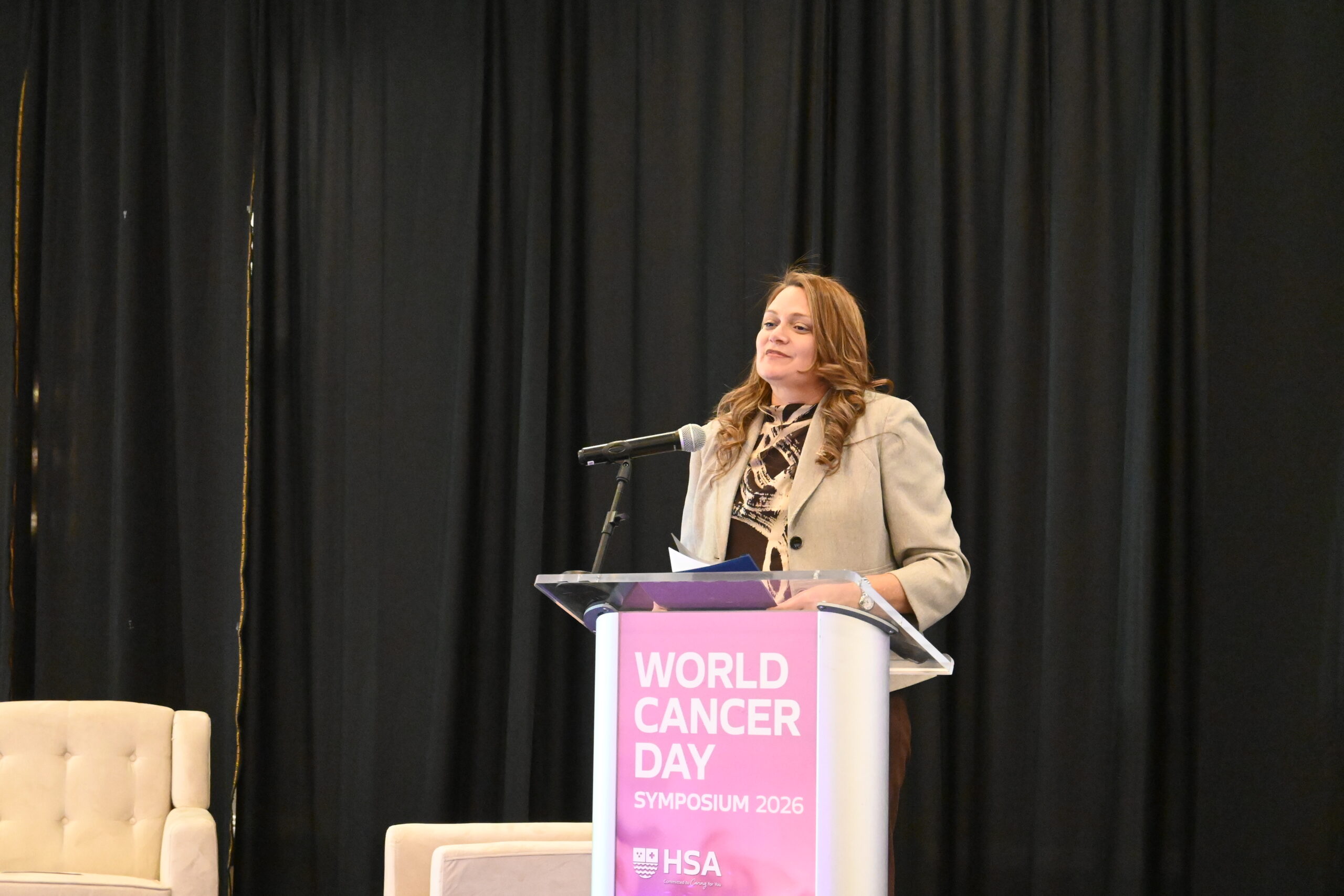
Minister of Health Katherine Ebanks-Wilks, speaking on 2 Feb. at a medical symposium ahead of World Cancer Day, told attendees that cancer prevention, treatment and care is “a top priority” for her and the National Coalition for Caymanians government.
The proposed policy would include modernising the existing Cancer Registry – set up in 2010 – by amending proposed legislation governing the registry, a move, the minster said, that was “long overdue”.
Ebanks-Wilks said the proposed cancer policy would “outline the national framework for the implementation, monitoring, evaluation and oversight of cancer screening programmes across the Cayman Islands”.
She said it would adopt standards and guidelines “to establish standardised care pathways to guide practitioners and ensure consistency in the delivery of care”.
The health minister added that government would set evidence-based screening programmes for female breast, cervical and colorectal cancers, “given not only the prevalence of these cancers within our community, but also the availability of effective screening tools for their detection”.
She said this, over time, would be extended to other cancers, such as prostate, lung and ovarian cancer.
The minister was speaking at the World Cancer Day Symposium, organised by the Health Services Authority, at the Westin Grand Cayman Seven Mile Beach Resort and Spa.
Updating Cancer Registry Bill
Ebanks-Wilks said updating the Cancer Registry Bill would help enable the national collection of cancer-related data “to inform cancer prevention, treatment and care within the Cayman Islands”.
“A comprehensive population-based cancer registry is a necessary tool needed to support high-quality cancer research, guide public health policy, and strengthen early detection and screening strategies tailored to the needs of our population,” she said.
She added, “While we are in the early stages of development, this work is high on our agenda for completion.”

A Cancer Registry Bill, drafted in 2015, had stipulated that it would be mandatory for health professionals to report cancers to the registry. The bill ultimately was not passed into law, amid concerns over data confidentiality from the Human Rights Commission.
At its 17 Dec. 2025 meeting, Cabinet approved the issuance of drafting instructions to amend the proposed bill.
In response to queries from the Compass on what those drafting instructions involved, a health ministry spokesperson said the purpose of amending the bill was to “modernise” it and “support a complete and accurate national cancer registry to inform policy development, planning, and service delivery”.
The rationale behind those amendments, the spokesperson said, was that the legislation “is over a decade old and requires updating to reflect current data protection standards, governance expectations, and reporting requirements, with cancer identified as a national health priority.”
The ministry, by press time, had not answered follow-up questions from the Compass on whether those “reporting requirements” would involve mandatory reporting of cancer cases, but stated an answer was forthcoming.
Currently, reporting of cases to the Cancer Registry is voluntary, anonymous and confidential. Data is gathered from individual patients, or from doctors with the patient’s permission.
The ministry spokesperson told the Compass that the proposed amendments to the legislation are also intended to strengthen safeguards by aligning the Cancer Registry Act with the Data Protection Act and clarify how the registry’s data may be accessed and reported.
Chief Medical Officer Dr. Hilary Wolf, who was among the speakers at the symposium, said part of her job involves reviewing referrals through the government’s insurance company, CINICO, for cancer treatment and diagnosis.
“And, I will be honest, it feels like there are far too many of these referrals crossing my desk,” she said. “That leads me to the next important and troubling question, are cancer rates in the Cayman Islands higher than what we would expect?
“The truth is we don’t yet know. We do not currently have a national cancer registry; without one, we cannot accurately measure incidents, track trends over time, or fully understand where prevention and early detection efforts should focus.”
She added that a national cancer registry would help save lives, guide policy, improve clinical practice and ensure resources are directed where they are needed.
“And to be clear,” she added, “this will be done with utmost respect for data protection, with strong privacy safeguards, clear governance and public trust at its core.”
1-in-5 deaths caused by cancer
Lizzette Yearwood, CEO of the Health Services Authority, who also spoke at the symposium, noted that local statistics show that cancer is the cause of death in one-in-five people who die in Cayman.
Cancer accounted for 64 of the 310 deaths recorded in the Cayman Islands in 2024, Yearwood told attendees.
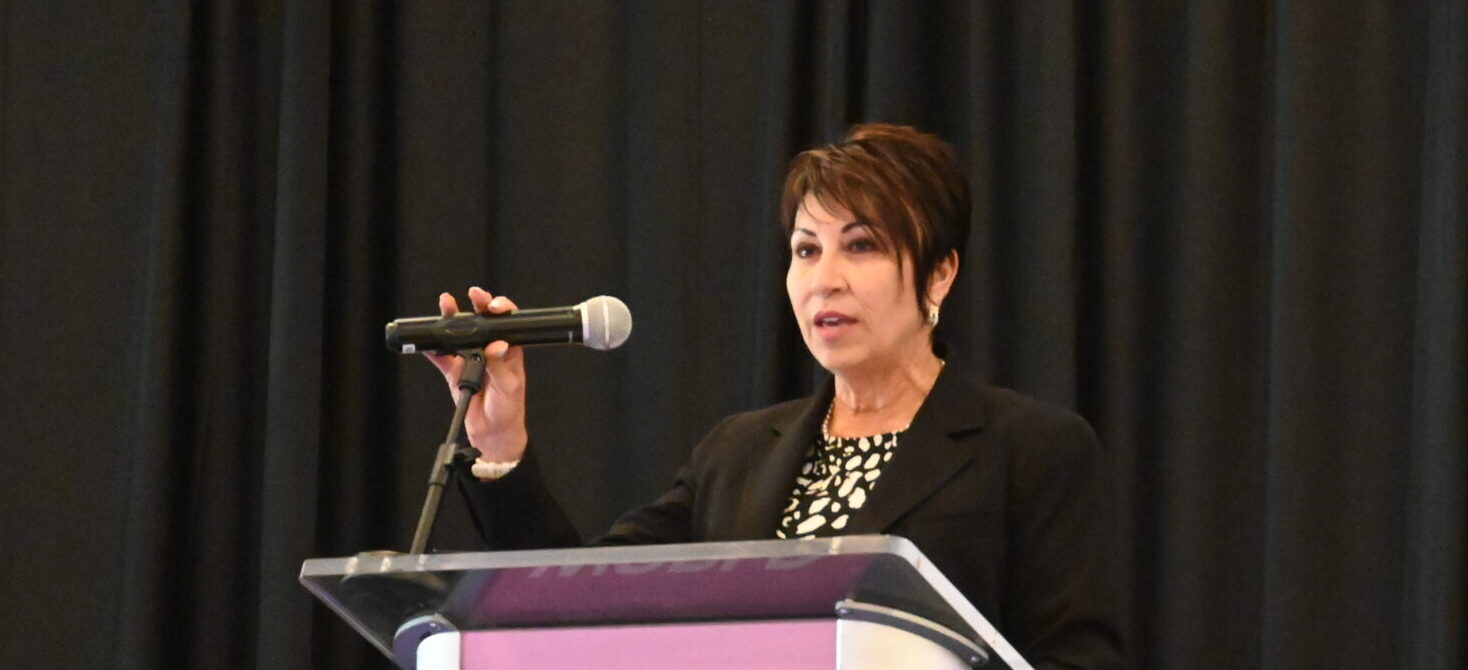
“Cancer’s influence extends far beyond the individual who’s diagnosed with cancer,” she said. “It reaches families, it reshapes friendships, and it resonates throughout the entire community.”
She noted that the Pan American Health Organization states that nearly one-third of cancers can be cured when detected early and treated effectively, and up to 40% of cancers could be prevented altogether by addressing risk factors such as tobacco and alcohol use, diet and physical activity.
At the symposium, medical experts presented groundbreaking surgeries and innovations in the treatment of cancer.
Among the presenters were Dr. John P. Diaz, a gynaecologic oncologist at Baptist Health, who demonstrated in videos of his robotic and minimally invasive operations how he has performed alternatives to hysterectomies which enable women to still bear children.
Another speaker was Michael Gayle, CEO of the government’s insurance agency CINICO, who detailed how the company helps mitigate the financial burden on patients living with cancer.
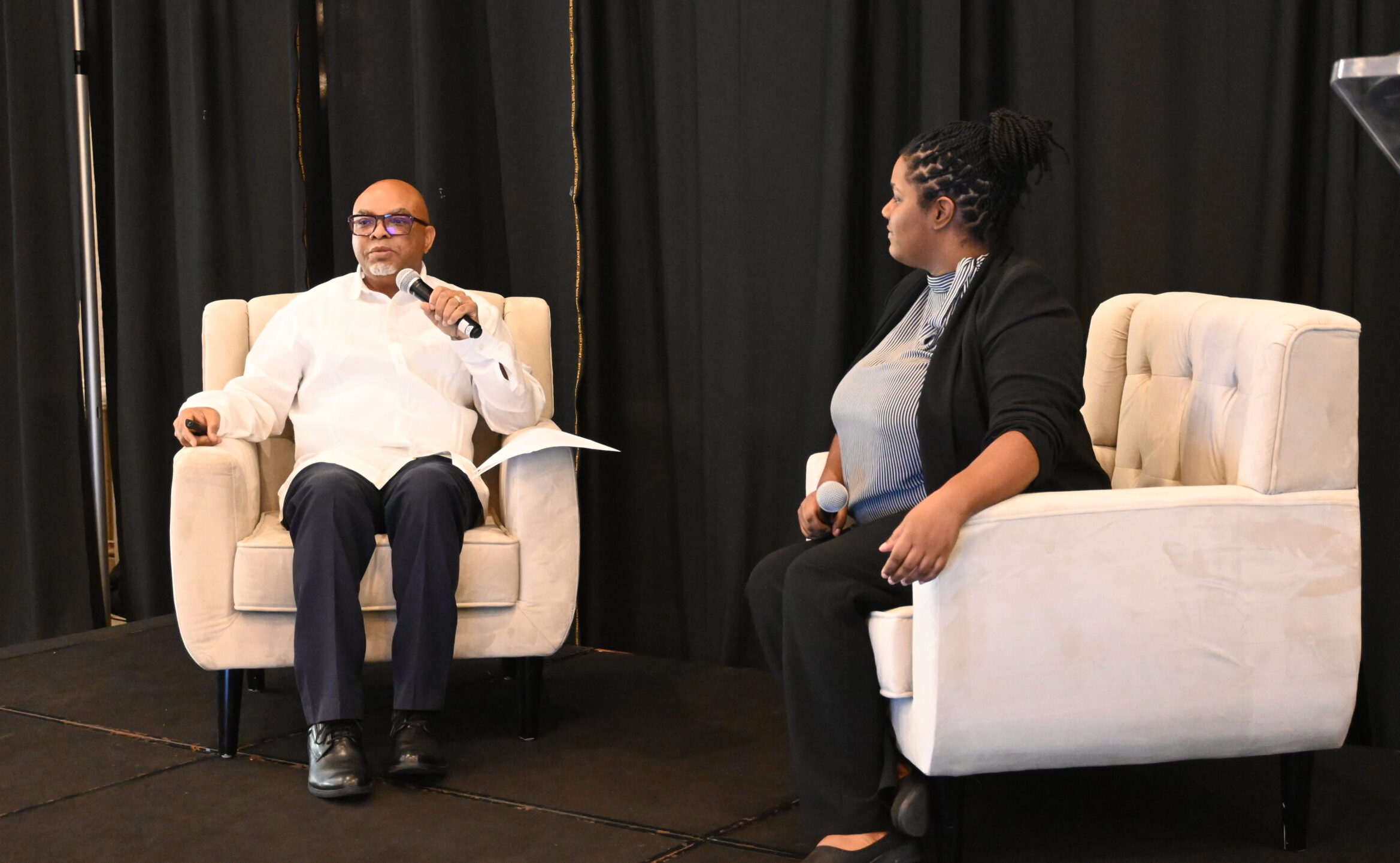
HSA consultant haematologist-oncologists Dr. Lundie Richards and Dr. Danielle Smellie, in a ‘fireside chat’ conversation on stage, told the stories of some of their patients and the challenges they have faced – psychological, physical and financial – and the kinds of assistance available to them.
Dr. Leroy Campbell, a consultant obstetrician-gynaecologist at the HSA, addressed how breast and gynaecological cancer patients can preserve sexual function, while the final speaker, Dr. Paulette Gayle spoke about patients’ experiences through a psychosocial lens.
Related Videos