 The Cayman Islands economy is shaped by many forces. Tourism trends, global trade, US economic growth, financial markets and geopolitics all influence local prosperity. Yet one of the most powerful drivers is also one of the least visible: US monetary policy.
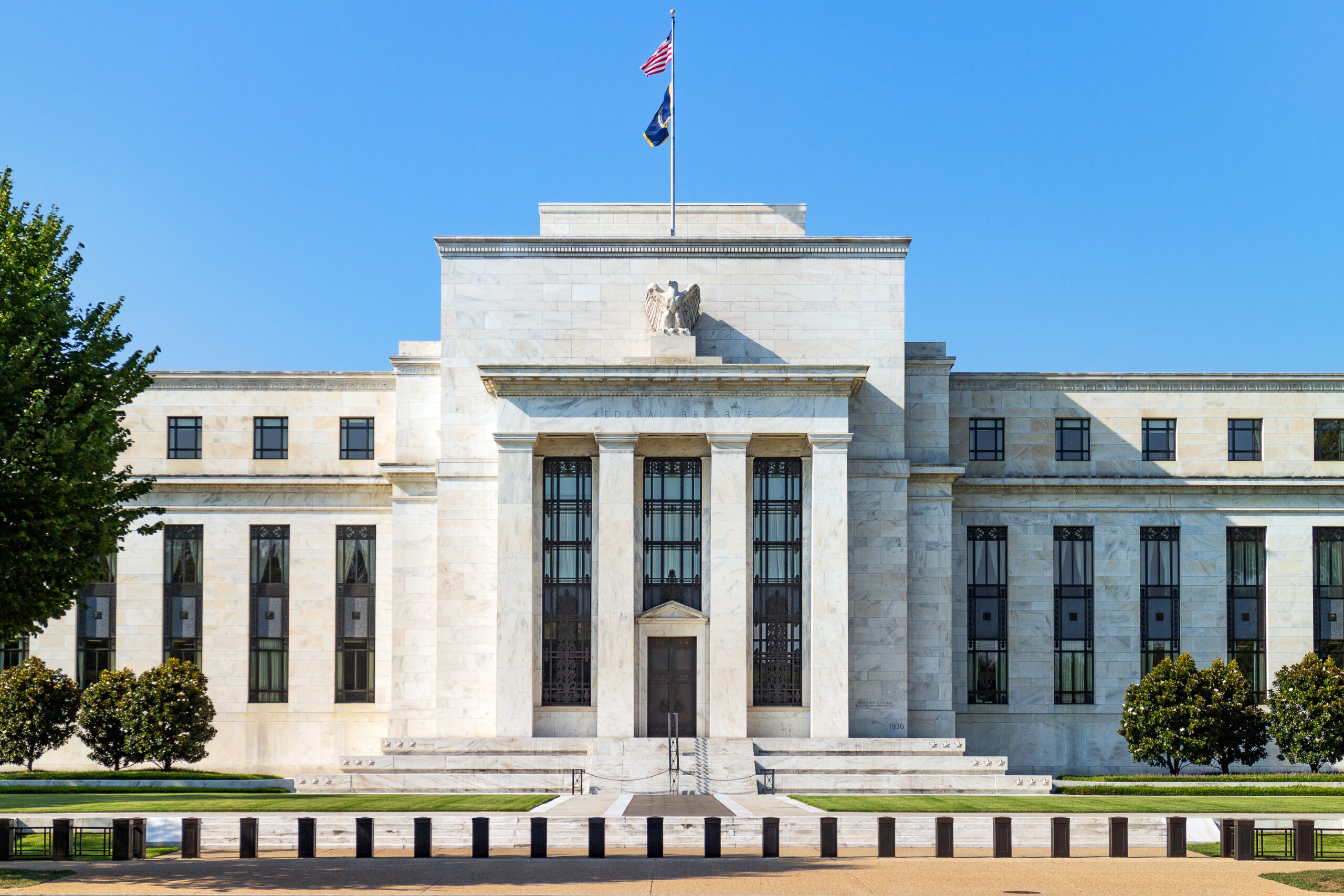
Because the Cayman dollar is pegged to the US dollar, decisions made by the US Federal Reserve flow directly into Cayman’s financial system. Interest rates, borrowing costs, currency strength and overall financial conditions are effectively imported from the United States. That is why the announcement that Kevin Warsh is expected to become the next chair of the US Federal Reserve in May 2026 deserves close attention from Cayman residents and businesses.
Who is Kevin Warsh and what does he stand for?
Kevin Warsh is not a typical academic central banker. He served as a Federal Reserve Governor from 2006 to 2011, spanning the global financial crisis, and has held senior roles across finance and government.
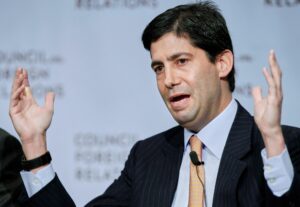
During his time at the Fed, Warsh built a reputation as an inflation hawk in principle, but pragmatic in execution. Over time, he became increasingly critical of prolonged emergency measures such as quantitative easing. His resignation in 2011 reflected concerns that the Fed’s expanding balance sheet risked distorting financial markets.
More recently, Warsh has argued that productivity gains particularly those driven by artificial intelligence could allow interest rates to fall without reigniting inflation. In simple terms, stronger productivity could support economic growth without higher prices. At the same time, he has been clear that any shift away from heavy central bank support would involve an adjustment period and would not be painless for markets.
What a Warsh-led fed could mean for Cayman
Warsh often summarises his philosophy as follows: if the central bank focuses on the real economy, financial markets will take care of themselves. He has been openly critical of policy that prioritises Wall Street over Main Street, which has been prevalent over the past few years.
For households and businesses, the most immediate impact would be felt through interest rates. Warsh has signalled openness to modest rate cuts in 2026 if inflation continues to cool and productivity gains materialise. This could provide some relief for mortgage holders and businesses after several years of elevated borrowing costs.
However, Warsh has also made clear that he would act decisively if inflation proves persistent. This suggests a future where interest rates respond more quickly to economic data, rather than the delayed response to post-pandemic inflation that was initially described as “transitory”. For Cayman, this means rates may fall in the near term, but with greater volatility and less policy predictability.
Currency effects are equally important. A Federal Reserve focused on inflation control and balance-sheet discipline typically supports a stronger US dollar. Through the currency peg, this translates directly into a stronger Cayman dollar, helping to contain imported inflation in areas such as food and energy.
Credibility, coordination and the bigger risk
One of the most consequential elements of Warsh’s thinking is his call for clearer coordination between the Federal Reserve and the US Treasury, particularly around the long-term role and size of the Fed’s balance sheet after years of extraordinary intervention.
Markets have already demonstrated how seriously they take his views. When Warsh’s nomination was announced in late January 2026, gold prices fell sharply while the US dollar strengthened an unusually strong reaction that reflected investor expectations of tighter monetary discipline and a more orthodox policy framework.
Supporters see this as a return to credibility and transparency. Critics worry that closer coordination with the Treasury could blur the line between independent monetary policy and government financing. The independence of the Federal Reserve is central to global confidence in the US dollar.
Any perception that the Fed is structurally committed to supporting government borrowing risks undermining that confidence. For the Cayman Islands, which imports US monetary policy wholesale through the currency peg, such shifts would feed directly into local financial conditions with limited ability to offset them domestically.
Warsh’s expected appointment is not just a change of leadership at the US central bank. It signals a potential shift in how US monetary policy is conducted and communicated. For Cayman, the takeaway is simple: when the Federal Reserve moves, the Cayman Islands move with it.
Robert Whelan, a chartered accountant, is the portfolio manager at NCB Capital Markets (Cayman) Ltd.
Related Videos