A global movement aimed at ending isolation for people with intellectual and developmental disabilities is coming to the Cayman Islands, with the launch of a local Best Buddies chapter led by Inclusion Cayman.
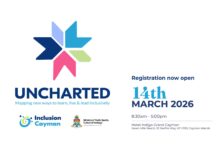
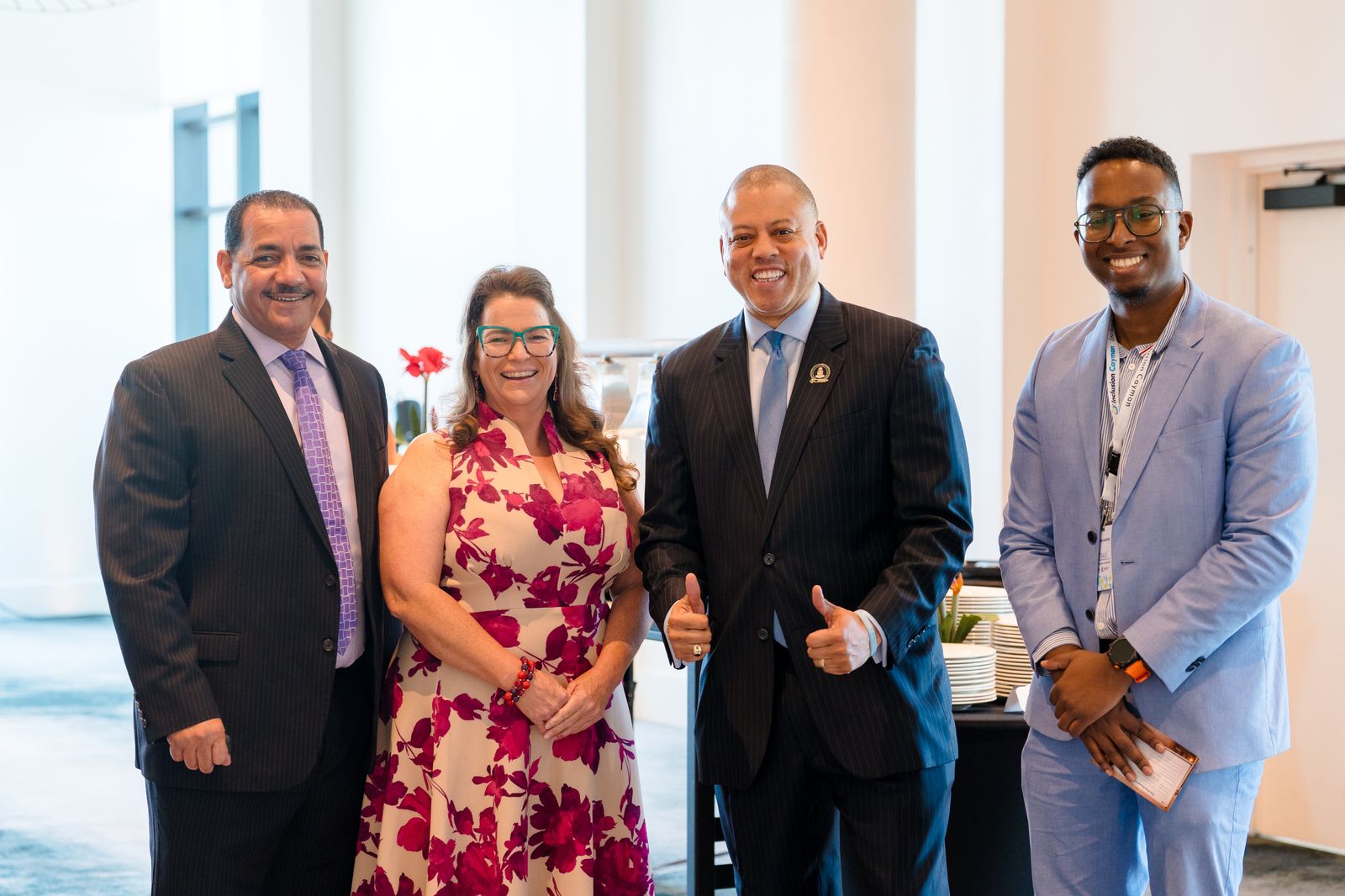
The news was unveiled on 14 March at Uncharted 2026, Inclusion Cayman’s inaugural Family Conference, which brought together families, educators, policymakers and community leaders for a one-day conversation on inclusion and access.
Minister for Education and Training Rolston Anglin confirmed the development during an appearance on Compass Media’s Daybreak, framing the programme as a practical step toward embedding inclusion in everyday school life.
“Best Buddies is about pairing up persons with special needs with other students at school who will be their best buddy,” he said. “[Someone who] helps them, assists them, advocates for them, hangs out with them, and becomes a lifelong friend. When I looked and saw the power of the programme, I was so excited that that’s going to happen in Cayman.”
Founded in 1989, Best Buddies International operates in nearly 50 countries and focuses on creating one-to-one friendships, alongside programmes in employment, leadership development and independent living for people with intellectual and developmental disabilities.
‘Strong local partner ‘
Cary Ombres, the organisation’s senior vice president for global mission impact and engagement, said the selection of Cayman as a host country was driven by the presence of a strong local partner.
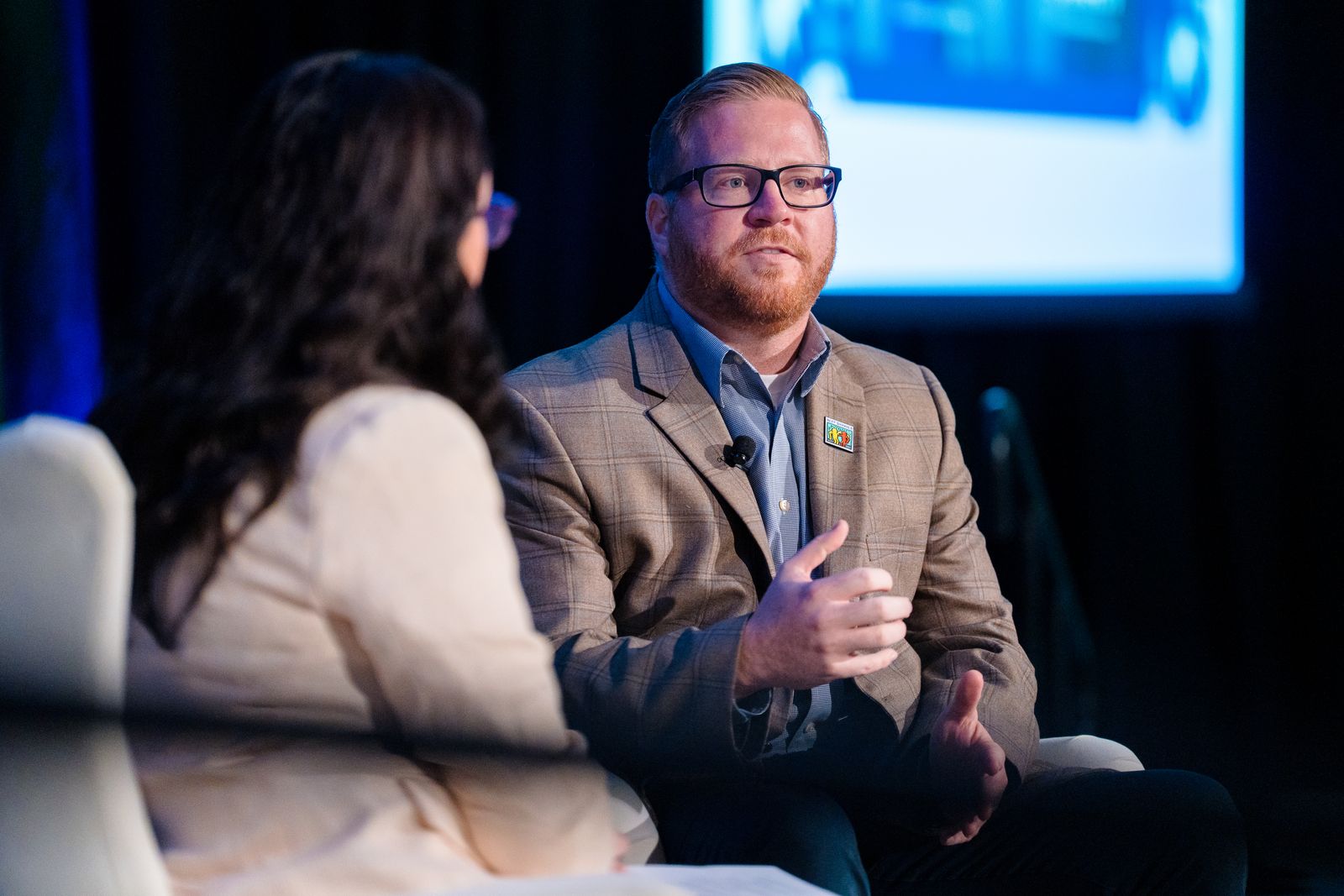
“What stood out about Cayman was Inclusion Cayman,” Ombres said. “They’ve been advocating for individuals with intellectual and developmental disabilities and their families for years. They have an active and engaged board, strong community credibility, and a clear vision for expanding opportunities for people with disabilities.”
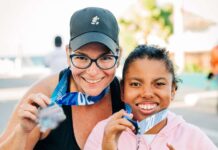
Best Buddies Cayman Islands will launch in four pilot schools with its one-to-one friendship programme, pairing students with and without disabilities based on shared interests. School chapters will be led by trained student leaders, supported by Inclusion Cayman staff and teachers, with peer buddies matched to build genuine relationships.
Chapters will host monthly activities, alongside training at the start of the school year, with an emphasis on friendships that extend beyond the programme.
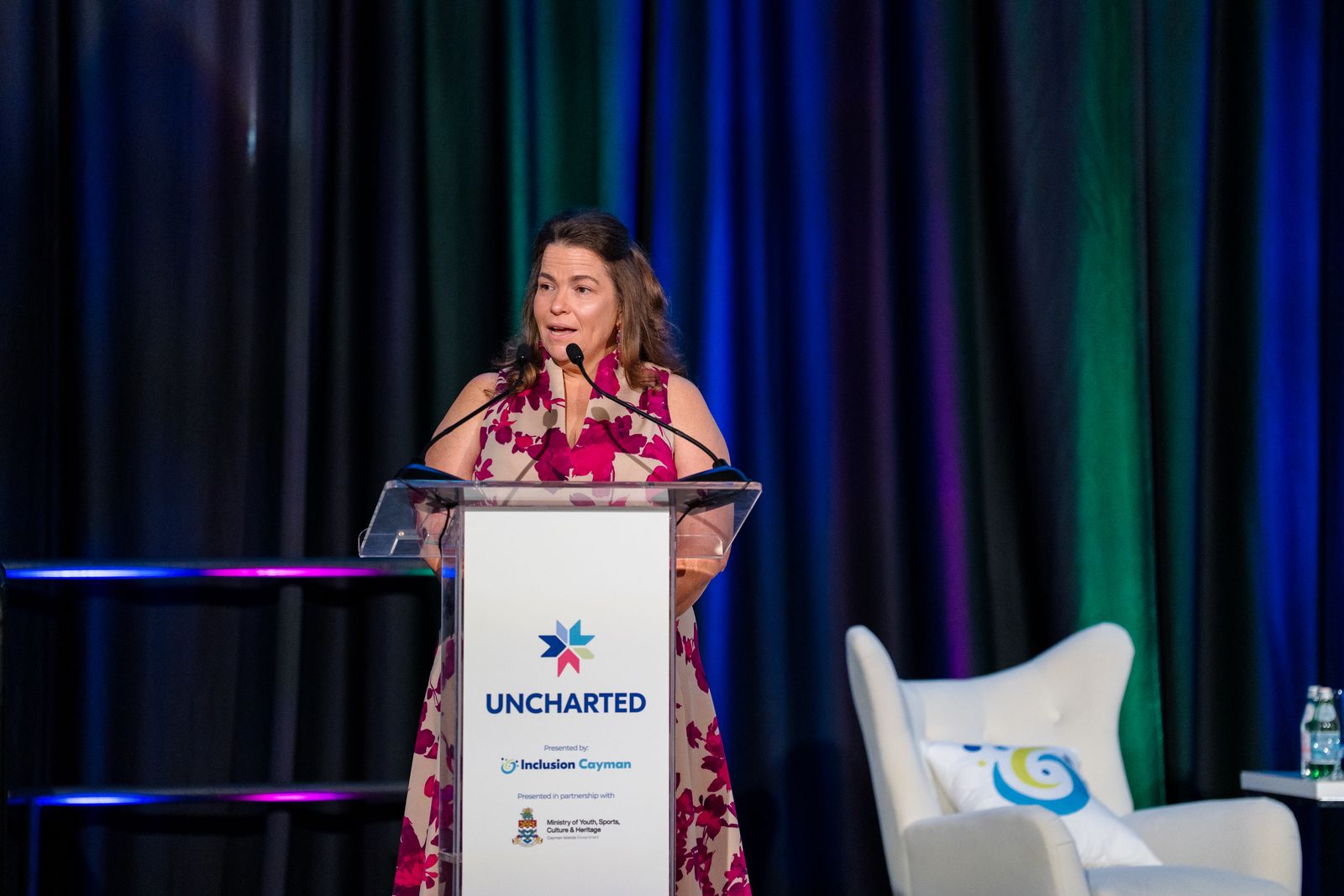
Shan Harriman, CEO of Inclusion Cayman, said the structure is designed to move beyond informal interaction and said that the intention is to “foster friendships, empathy and understanding”.
“For the first time, students with and without disabilities will have structured opportunities to form genuine friendships, be seen for their abilities and participate fully in school life,” she said. “It’s about creating connections that last a lifetime.”
The partnership announcement comes as Cayman continues to expand its approach to inclusion across education and public policy. Organisers of Uncharted 2026 positioned the conference around the idea that barriers are often created by systems and environments, rather than individuals.
Inclusion in daily life
Within that context, Best Buddies is being introduced not as a standalone initiative, but as part of a broader shift toward embedding inclusion in daily life.
Both Ombres and Harriman pointed to social isolation as a persistent issue for many individuals with intellectual and developmental disabilities, suggesting that structured peer programmes can play a role in addressing that gap.
“Isolation is something we hear about from families all over the world,” Ombres said, noting that isolation can be social or economic, with limited opportunities to belong or participate. Best Buddies aims to address this by creating intentional connections.
“When individuals with and without intellectual and developmental disabilities form genuine friendships, it changes the culture of schools and communities. It builds understanding, confidence and belonging,” he said, adding that it also strengthens families, connecting parents and siblings with others and fostering a wider sense of community.
The longer-term plan is to expand beyond the initial pilot schools.
Referring to the partnership as a “symbolic moment”, Harriman said the goal is to create a wider cultural shift.
“Inclusion isn’t just about policy or programming,” she said. “It’s about relationships, belonging, and building a culture where every student has the chance to thrive.”
Harriman and Ombres said the programme’s success will depend on strong uptake in schools, broad participation across Cayman and sustained volunteer support, driving a cultural shift where inclusion becomes the norm and individuals are visible, valued and fully part of everyday life.
Related Videos