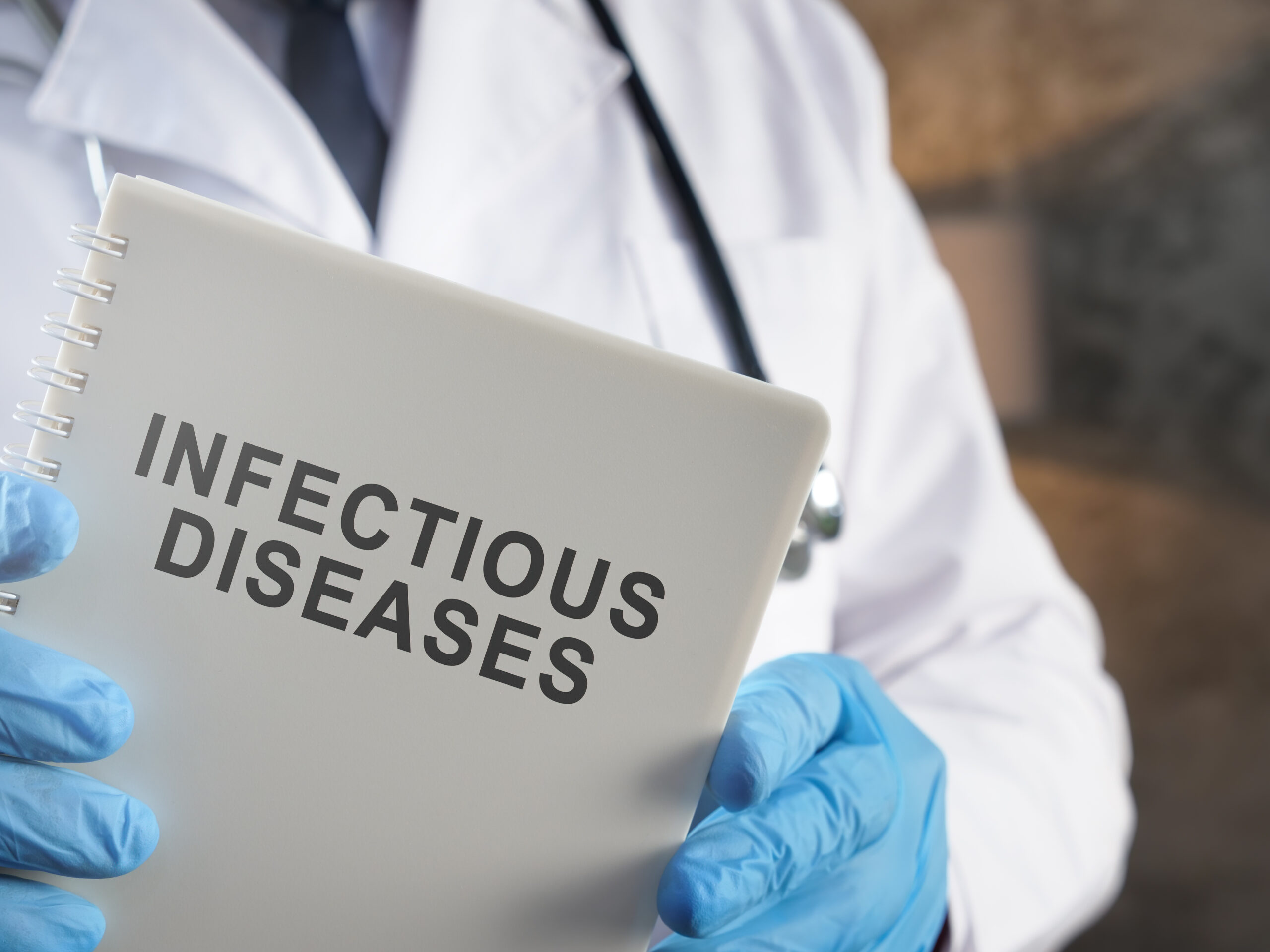
The Ministry of Health has expanded the number of infectious diseases about which doctors are required to notify public health officials.
Thirty additions have been made to the list of notifiable diseases, bringing the total number to 67.
Now, medical professionals and members of the public, are required to contact the Public Health Department if there is a diagnosis of such illnesses as botulism, chlamydia, chikungunya, Zika, or hand, foot and mouth disease.
A statement issued by Ministry of Health, Environment and Sustainability noted that Cabinet, at its 12 March meeting, had approved the updating of the notifiable diseases list “reflect current risks and the international standards”.
It added, “These amendments further strengthen early detection, consistent reporting, and timely intervention across the health system for diseases that could pose a threat to the public.”
The Notifiable Diseases Schedule is a list of infectious diseases included in the Public Health Act (2026 Revision), that health professionals and the public are required by law to report to public health authorities, when a patient is diagnosed or suspected.
List of newly added diseases
| (1) | Antimicrobial resistance | (17) | Listeriosis |
| (2) | Botulism | (18) | Lyme disease |
| (3) | Brucellosis | (19) | Middle Eastern Respiratory Syndrome (MERS) |
| (4) | Campylobacteriosis | (20) | Neonatal infectious conjunctivitis |
| (5) | Carbapenemase-producing Gram-negative bacteria | (21) | Norovirus |
| (6) | Chikungunya | (22) | Oropouche virus infection |
| (7) | Chlamydia | (23) | Respiratory Syncytial Virus |
| (8) | Ciguatera fish poisoning | (24) | Rotavirus infection |
| (9) | Congenital Rubella Syndrome | (25) | Scabies |
| (10) | Cryptosporidium | (26) | Severe Acute Respiratory Syndrome (SARS) |
| (11) | Escherichia coli | (27) | Shigellosis |
| (12) | Giardiasis | (28) | Streptococcal (pneumococcal) Pneumonia |
| (13) | Group A Streptococcal infection (invasive) | (29) | West Nile Virus |
| (14) | Hand, foot and mouth disease | (30) | Zika |
| (15) | Hemolytic uremic syndrome (HUS) | ||
| (16) | Legionnaires disease |
Clinicians are required under the act to report immediately any confirmed or suspected cases to the senior medical officer of health and the Public Health Department.
Minister for Health Katherine Ebanks-Wilks said in the statement, “Protecting the health of our people is both a responsibility and a commitment we take seriously. The update to the Notifiable Diseases Schedule strengthens our ability to respond swiftly and effectively to the evolving public health landscape and aligns more closely with regional and global surveillance networks.
“Also, importantly, it provides clarity to individuals and medical professionals, so that everyone understands their obligations under the law and can act in a manner that reduces the risk of disease transmission.”
Dr. Hilary Wolf, chief medical officer, added, “At its core, this update is about being better prepared. We have taken a careful look at how we track infectious diseases, both the ones we see every year and the new threats that can emerge without warning, and we know there is more we can do to strengthen our systems.
“By improving surveillance throughout Cayman, we can spot patterns earlier and better understand whether our public health programmes are truly making the impact we expect.”
The ministry says it plans to bring more updates to public health legislation later this year.
To report a confirmed or suspected notifiable disease, contact Public Health Administration on 244-2889.
| Full Notifiable Diseases List | |||
| (1) | Acute infectious encephalitis | (35) | Leprosy |
| (2) | Acute infectious hepatitis | (36) | Leptospirosis |
| (3) | Acute Meningitis | (37) | Listeriosis |
| (4) | Anthrax | (38) | Lyme disease |
| (5) | Antimicrobial resistance | (39) | Malaria |
| (6) | Botulism | (40) | Measles |
| (7) | Brucellosis | (41) | Middle Eastern Respiratory Syndrome (MERS) |
| (8) | Campylobacteriosis | (42) | Mpox |
| (9) | Carbapenemase-producing Gram-negative bacteria | (43) | Mumps |
| (10) | Chicken pox | (44) | Neonatal infectious conjunctivitis |
| (11) | Chikungunya | (45) | Norovirus |
| (12) | Chlamydia | (46) | Oropouche virus infection |
| (13) | Cholera | (47) | Pertussis |
| (14) | Ciguatera fish poisoning | (48) | Plague |
| (15) | Congenital Rubella Syndrome | (49) | Poliomyelitis |
| (16) | COVID-19 | (50) | Rabies |
| (17) | Cryptosporidium | (51) | Respiratory Syncytial Virus |
| (18) | Dengue fever | (52) | Rotavirus infection |
| (19) | Diphtheria | (53) | Rubella |
| (20) | Enteric fever (typhoid or paratyphoid fever) | (54) | Salmonellosis |
| (21) | Escherichia coli | (55) | Scabies |
| (22) | Filariasis | (56) | Severe Acute Respiratory Syndrome (SARS) |
| (23) | Food Poisoning | (57) | Shigellosis |
| (24) | Gastroenteritis | (58) | Smallpox |
| (25) | Giardiasis | (59) | Streptococcal (pneumococcal) Pneumonia |
| (26) | Gonorrhea | (60) | Syphilis |
| (27) | Group A Streptococcal infection (invasive) | (61) | Tetanus |
| (28) | Hand, foot and mouth disease | (62) | Tuberculosis |
| (29) | Hemolytic uremic syndrome (HUS) | (63) | Typhus |
| (30) | Herpes | (64) | Viral Haemorrhagic Fever |
| (31) | HIV infection | (65) | West Nile Virus |
| (32) | Influenza (including human cases of Avian Influenza and other Zoonotic Influenza viruses) | (66) | Yellow Fever |
| (33) | Lassa Fever | (67)
|
Zika
|
| (34) | Legionnaires’ disease | ||
Related Videos