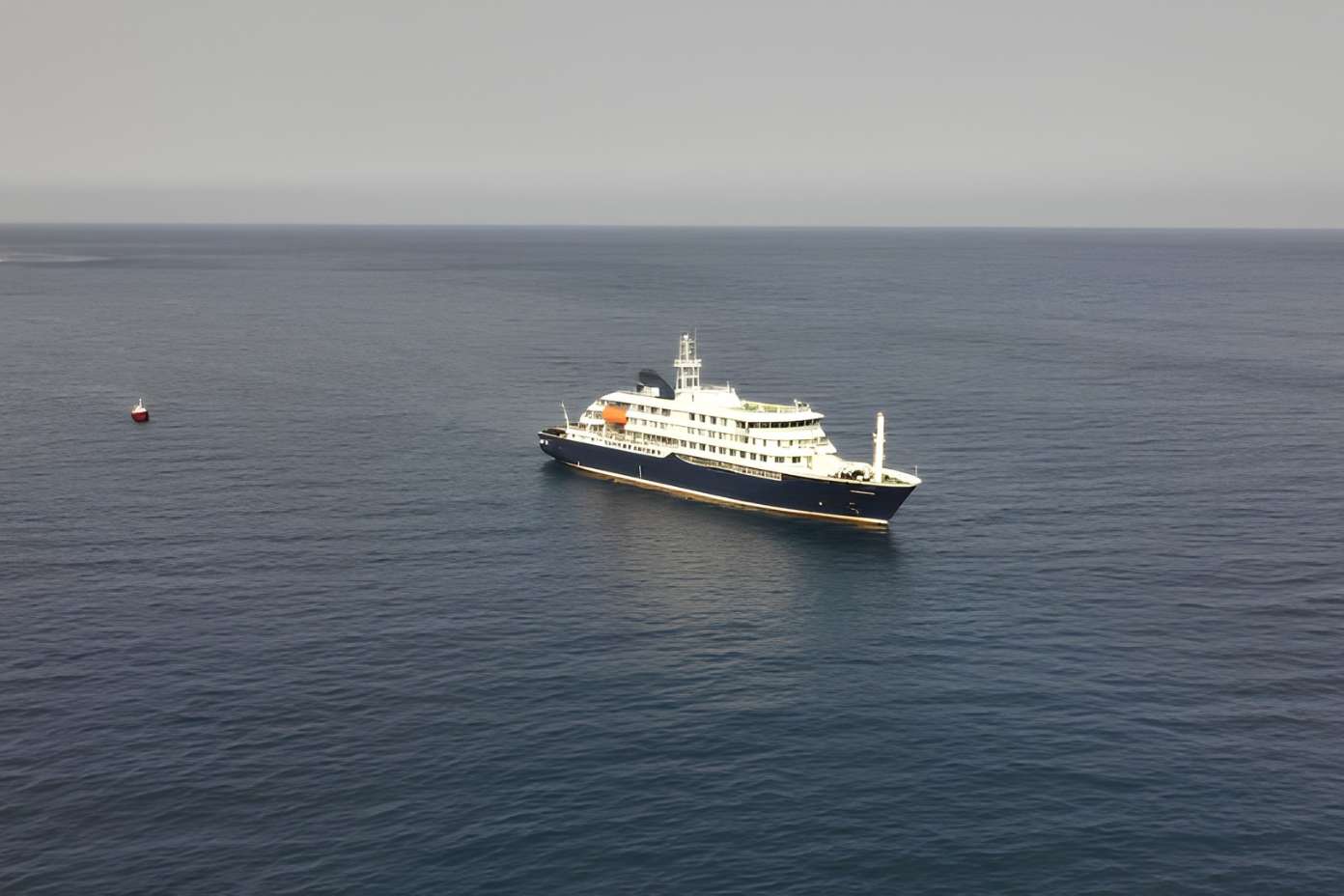
The Ministry of Health, Environment and Sustainability and Cayman’s Public Health Department say they are closely monitoring an international investigation into a reported hantavirus cases linked to the cruise vessel MV Hondius.
Chief Medical Officer Dr. Hilary Wolf said there is currently no indication of any local connection to the recent reported cases originating in Argentina and emphasised that the risk to the Cayman Islands remains low.
“At this time, we have not been alerted to any passengers from the vessel, or individuals identified as close contacts of known cases, being residents of the Cayman Islands,” Wolf said. “We continue to monitor information provided through the World Health Organization and international health partners while maintaining heightened vessel surveillance and established public health monitoring protocols.”
The Dutch-operated Hondius departed Argentina on 1 April carrying 149 passengers and crew representing 23 nationalities.
On 2 May, a cluster of passengers with severe respiratory illness was reported to the World Health Organization. International public health authorities are now conducting epidemiological investigations onboard the ship, while individuals who disembarked are undergoing contact tracing and health monitoring.
As of 8 May, five cases had been confirmed, including three deaths.
Regional monitoring
The Cayman Islands receives regional surveillance updates coordinated through its membership in the Caribbean Public Health Agency (CARPHA), including alerts issued through the Tourism and Health Information System and the Caribbean Vessel Surveillance System, which track health threats linked to tourism and maritime travel across the region.
Dr. Lisa Indar, CARPHA executive director said in a press release, “At this time, the risk to the Caribbean region is considered low. In the Americas, hantaviruses are most commonly transmitted by wild field rodents rather than urban rat populations, where transmission is less likely.”
Officials are advising anyone traveling to countries where hantavirus is endemic to avoid exposure to rodents, rodent droppings and potentially contaminated environments, particularly in rural areas.
Indar said, “CARPHA’s Tourism and Health Information System (THiS) and the Caribbean Vessel Surveillance System (CVSS) … provide early warnings of public health threats associated with tourism accommodations and maritime travel”.
The CARPHA press release added, “The advanced CVSS has already achieved significant success in detecting syndromic cases (suspected cases based on symptoms) before a ship arrives at a Caribbean port, with over 96% of all cruise ship alerts being reported to Member States within 24 hours.”
International health agencies have not recommended any changes to routine travel or cruise operations in connection with the incident at this time.
Cruise ship surveillance and prevention
According to the World Health Organization, the current risk of hantavirus at cruise ports is considered very low for the general public.
Local authorities said enhanced surveillance and prevention measures are already in place across Cayman’s ports.
Officials confirmed rodent control operations have been intensified at shipping ports of entry, while the use of rat guards remains mandatory for all vessels docking at local ports and shore facilities.
Under Cayman’s maritime health protocols, all cruise vessels entering local waters must submit Maritime Declarations of Health 48 hours before arrival. These declarations are reviewed by port surveillance and border control officials, with additional inspections and follow-up measures conducted when necessary, including reviews of onboard medical logs and illness reports.
Public health officials are also maintaining increased monitoring of illness reports and requests for medical disembarkation from cruise vessels.
Director of the Department of Environmental Health Richard Simms said the Cayman Islands continues to maintain strict maritime public health safeguards.
“The Cayman Islands has established a strong reputation within the cruise industry for proactive infection control and maritime public health oversight,” Simms said. “We have increased rodent control measures, enhanced monitoring protocols and continue to maintain strict maritime public health safeguards at ports of entry.”
What is hantavirus?
Hantaviruses are a family of viruses primarily spread by rodents and are typically transmitted through exposure to infected rodent urine, droppings, saliva or contaminated environments.
Health officials said the current working theory is that passengers may have been exposed to the Andes virus strain before boarding the ship in Argentina. Andes virus, which is endemic in parts of South America, is one of the few hantavirus strains associated with limited human-to-human transmission.
Cayman’s Medical Officer of Health Dr. Samuel Williams-Rodriguez said person-to-person spread linked to Andes virus has only been documented in cases involving prolonged close contact.
“While certain strains, such as Andes virus, have been associated with limited person-to-person transmission, this has only been evidenced through prolonged close contact, unlike the routine spread patterns seen with more common respiratory illnesses,” Williams said.
Related Videos