Despite headlines surrounding recent disease incidents linked to two separate cruise vessels, public health officials and cruise industry analysts say the overall risk to the Caribbean cruise sector remains low, with no indication of broader disruption to regional cruising.
The incidents – one involving hantavirus cases linked to the expedition vessel MV Hondius and the other involving a norovirus outbreak aboard the Caribbean Princess – have attracted significant international attention in recent days, prompting anxiety around associated public health risks.
Background
The MV Hondius departed Argentina on 1 April and visited remote South Atlantic islands before hantavirus was suspected onboard. The virus has been linked to three deaths and at least eight infections, with passengers and crew dispersed across 22 countries, complicating international contact tracing efforts.
Unlike most hantavirus strains, the Andes variant can spread between people through close contact and carries a mortality rate of roughly 40%, though experts stress it is far less transmissible than viruses such as COVID-19 or influenza.
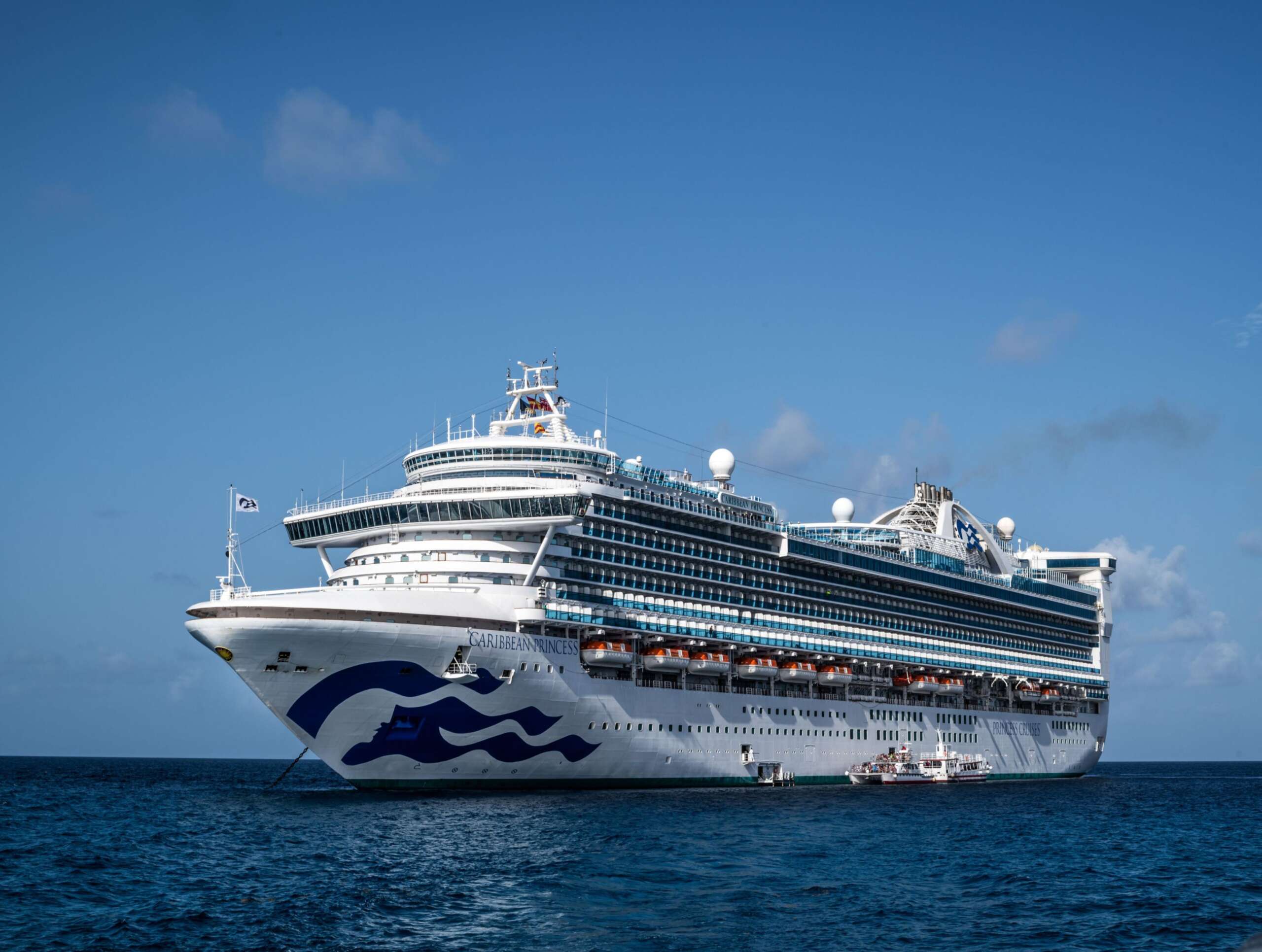
Meanwhile, a norovirus outbreak aboard the Caribbean Princess affected 115 passengers and crew during a two-week Caribbean itinerary that included stops in the Bahamas, Aruba, Curaçao, Bonaire, St. Maarten, Puerto Rico and the Dominican Republic.
Princess Cruises said the illnesses were mild and developed gradually over the voyage, prompting enhanced sanitation and disinfection measures before the ship’s next sailing.
The US Centers for Disease Control and Prevention has recorded two other cruise ship norovirus outbreaks over the past year, including another involving Caribbean Princess in March.
This month, more than 1,700 passengers and crew aboard an Ambassador Cruise Line vessel were confined to the ship in Bordeaux, France, after a passenger died and dozens of suspected norovirus cases were reported during a cruise that began on 8 May.
Risk remains low
For the Caribbean, the world’s largest cruise market, accounting for roughly 36% of global cruise deployment, maintaining traveller confidence and strong public health systems remains critical. In the Cayman Islands alone, more than 463,000 cruise passengers arrived during the first quarter of this year.
Regional and local health officials have stressed that the current hantavirus risk remains low. The Caribbean Public Health Agency said the incident linked to the MV Hondius occurred outside the Caribbean and involved a rare virus strain associated primarily with rodent exposure and limited close-contact transmission.
Speaking during a regional media briefing on 11 May, CARPHA Executive Director Lisa Indar said there is currently no evidence that the rodent vectors associated with the strain are present in the Caribbean.
CARPHA added that hantavirus does not spread in the same way as COVID-19 and does not pose the same pandemic threat. Officials said regional cruise surveillance systems, tourism health monitoring networks, and laboratories are already monitoring the situation.
In the Cayman Islands, Chief Medical Officer Hilary Wolf said authorities had not been alerted to any local residents linked to the vessel or identified as close contacts of confirmed cases.
“We continue to monitor information provided through the World Health Organization and international health partners while maintaining heightened vessel surveillance and established public health monitoring protocols,” Wolf said.
Officials have also noted that norovirus outbreaks, while disruptive, are relatively well understood within the cruise industry and are typically managed through established sanitation, isolation, and surveillance protocols.
The Cayman Islands added norovirus to its list of notifiable diseases in March 2026, strengthening the country’s ability to formally track and respond to cases.
A spokesperson for Cruise Lines International Association said cruise lines maintain layered sanitation, medical and surveillance systems specifically designed for infectious disease control.
“Available public health data indicates that rates of illness on cruise ships are low and, in many cases, lower than in comparable land-based settings,” the association spokesperson said.
Cruise journalist David Yeskel described the hantavirus incident as “a rare, one-off” event involving a small expedition ship operating in a niche segment of the industry.
“While the incident may have a short-term effect on the perception of the cruise industry, it shouldn’t have a lasting effect on bookings, since modern cruise ships adhere to hygiene standards that exceed those of land-based resorts,” he said.
Related Videos