

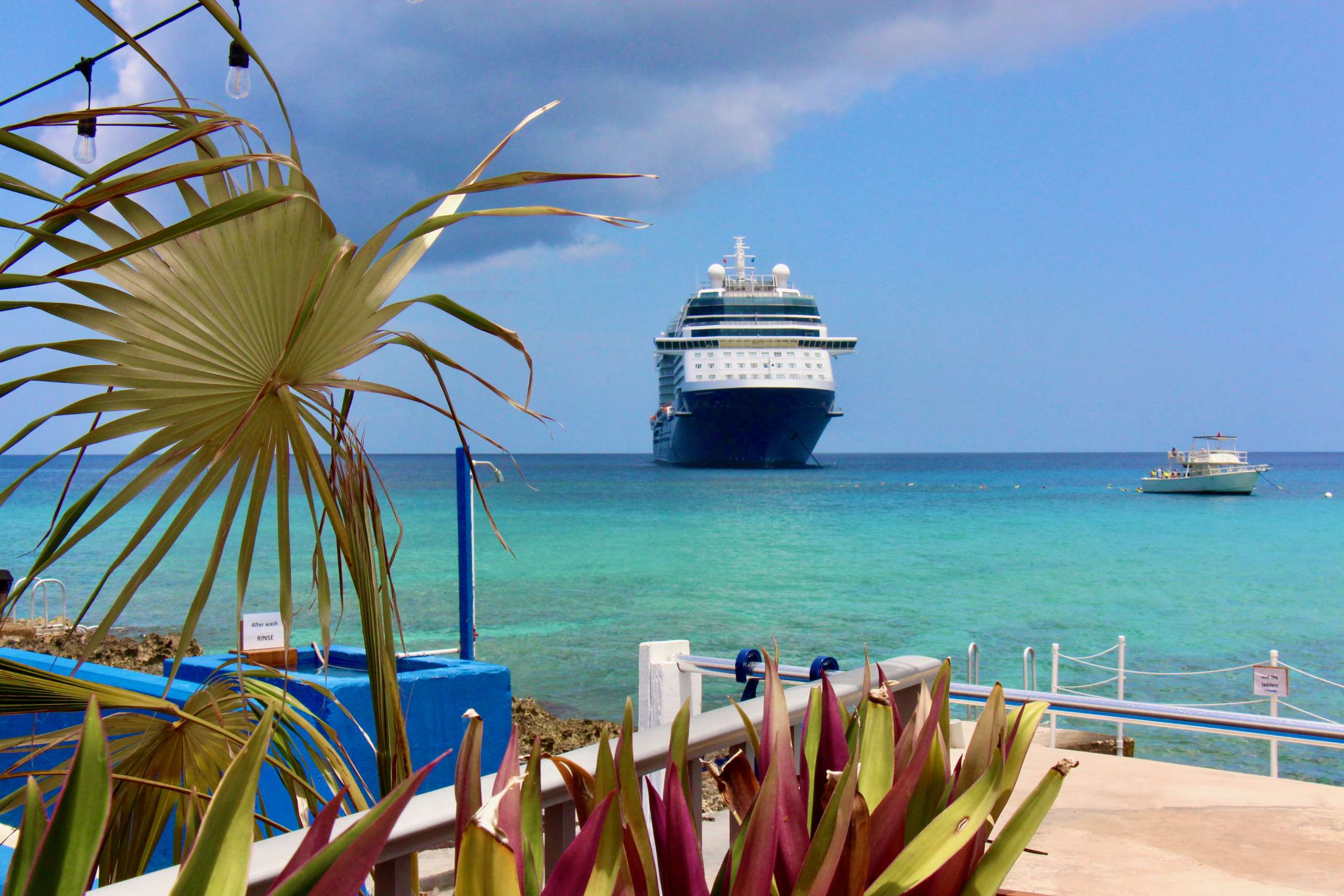
Cayman businesses that rely on cruise tourism are facing a battle to stay afloat amid declining ship calls as they urge government to address their plight before it is too late.
Veteran business owners like Ronnie Anglin, co-owner of Captain Marvin’s, believe a thriving cruise industry is imperative not just for the survival of businesses, but also of tourism.
“Cruise tourism, while it’s the smaller percentage of our business, it is a percentage of our business that we can’t do without,” Anglin told the Cayman Compass.
Cruise woes
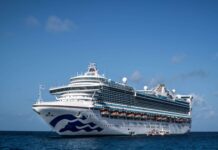
The number of days cruise ships visit Cayman have been dropping since 2022 and will decline further as cruise lines opt for bigger ships that require berthing, which precludes a stop in the Cayman Islands.
This month is projected to have the lowest total of cruise days for the year with 16 ships scheduled to call on Grand Cayman over 11 days.
This is down from 13 cruise days and 20 ships in June last year and a continuation of low calls following the reopening of borders after COVID.
The current numbers represent around half of the volume seen in June 2019.
Anglin acknowledged that generally June is a low period for cruise, but he said the additional decline in calls is hurting the industry.
“If you’re only working 10 days of the month or less, it’s hard to survive in Grand Cayman. They call it Grand Cayman for a reason, anything less than a grand or so every payday… you’re in trouble,” he said.
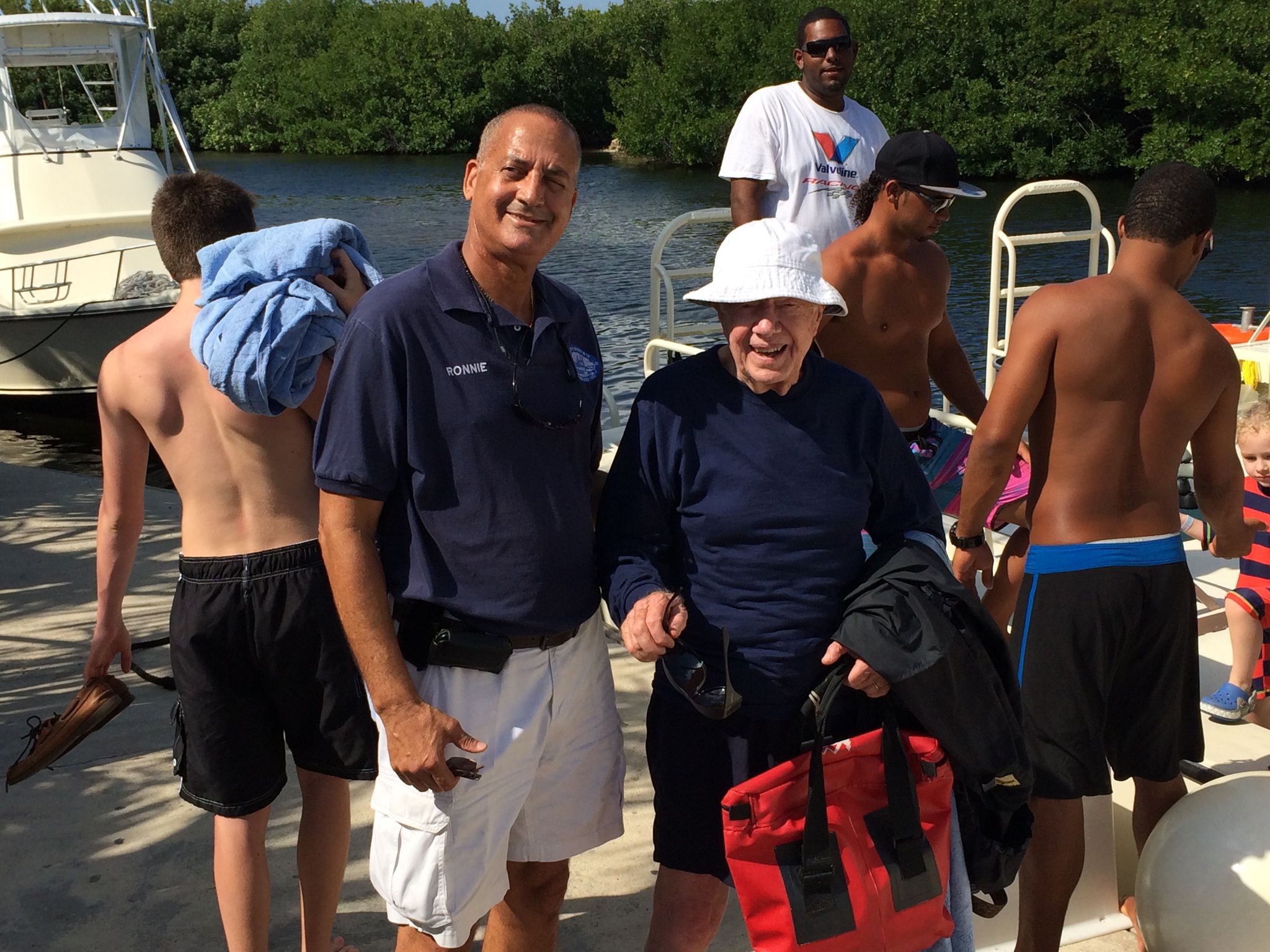
He is urging government to focus seriously on the challenges within the industry and called for the appointment of someone dedicated to protecting cruise.
“I think cruise is something we need to be in, but we shouldn’t be in anything unless we understand it. We should have a director of cruise tourism, whether that person reports to the director of tourism or the chief officer or even to the minister,” he said.
That individual, he said, should work in both Cayman and Miami, where the Florida-Caribbean Cruise Association is based, so they can address what is happening with cruise.
Anglin said he is worried for the months ahead as summer calls tend to be much smaller than in winter, and “then when you get yet another decline, especially during the summer months, you have a real challenge with staffing issues”.
“Nothing on the island has come down since COVID that I’m aware of, except perhaps earnings for those people in the tourism industry, and I’m talking about on island [tourism workers] as well as cruise,” he said.
Cruise decline was not a ‘bluff’
Chris Kirkconnell, vice president of operations at Kirk Freeport, says he had to pivot his business model and shuffle staff in response to the pandemic and then the drop in cruise traffic.
He said everyone in the industry saw the reduction coming and the cruise lines warned that it was going to happen.
The global shutdowns due to COVID, he said, only sped up the process.
Kirkconnell pointed to people who were opposed to cruise berthing saying the industry was ‘bluffing’ about bringing in bigger ships that would have to bypass Cayman.
“We’re starting to see as these newer ships come in and replace some of the older ones that are being decommissioned, which is a big part of the drop in our numbers we’re seeing, that they weren’t bluffing.”
The cruise industry is evolving with bigger ships which typically require docking facilities, he said.

The community in Cayman, he said, has to consider the future of cruise tourism and reopen the conversation on berthing piers.
“I do think that there could be a much different approach than the project that was originally proposed, something that could be a lot more environmentally in tune,” he said, including possibly building just one pier instead of the two that were first envisioned.
Shirley Roulstone, founding member of Cruise Port Referendum which was opposed to the previous cruise berthing project and won a legal battle to move a people’s-initiated referendum on it, agreed that the drop in calls is a challenge.
However, piers are not the solution, she said.
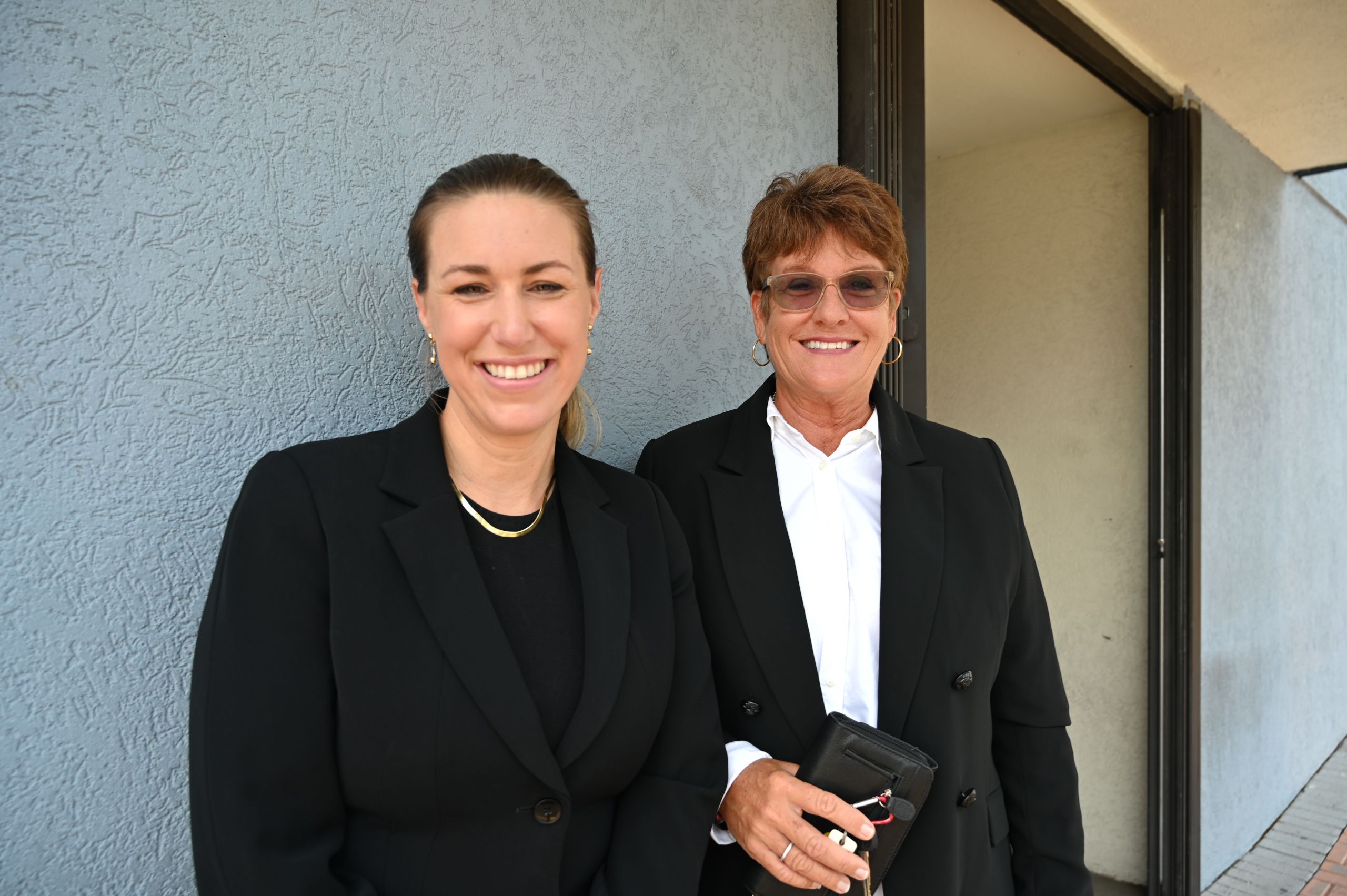
Roulstone, who also works in the cruise industry, said she believes government should stand strong on the issue and not pander to the cruise lines seeking to force the island to get piers.
“This is convenient for them in the winter time. This is a gold mine for them in the winter time, but then in the summer, they’ll leave us to starve,” she told the Compass. “We have to negotiate some things here. It has nothing to do with piers. All of those big cruise companies have the size ships that we would be able to tolerate.”
Cayman, she said, could do what other countries do and set its own call terms.
“We should be telling the cruise ships if they want to come here, this is what we need, not them telling us, ‘Oh, we’re not gonna come here because you don’t have that.’ They need us way more than we need them,” she said.
Calls will drop during the summer months with or without piers because cruise lines take their ships to other countries, she pointed out.
“We don’t need to be having five, six, seven cruise ships on one day all through the winter, and then in the summer we have one a week. That is not sustainable, and that’s our fault,” she said.
Cayman should be saying to the cruise lines that they “must commit to all year long, not just three winter months”.
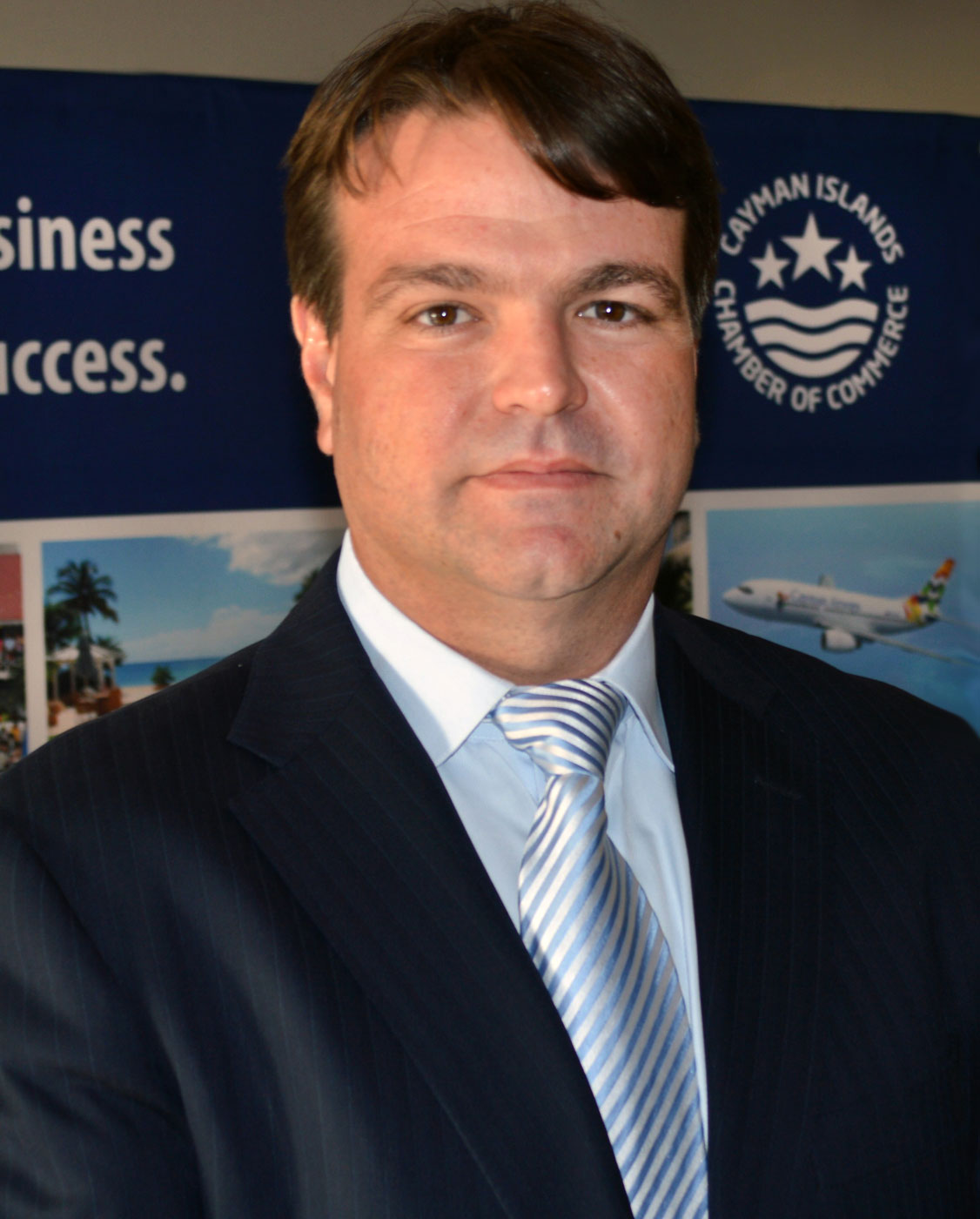
Anglin takes a different view, saying government must make a dedicated effort to understand the industry and educate the community on the value of cruise.
“Let’s stop making this a political football. Get the information that we need and do what we need to do to benefit our island,” Anglin said.
He questioned how to keep cruise alive when there is a clear lack of understanding of the industry.
“We need to have a better understanding of cruise tourism. Cruise tourism does feed our on-island tourism. I know this because I’ve been in tourism for a very long time, and I talk to my guests. A large percentage of them first came here on a cruise ship, and said this is the place for them to come back to,” he said.
Cayman Islands Tourism Association president Troy Leacock said that while it is obvious the cruise industry is facing a challenge there is still a divide on berthing.
As a country, he said, there are some serious questions that have to be asked and answered on the future of cruise tourism, and a plan is needed to address what will happen with those who depend on that sector.
“For some businesses that rely almost entirely on cruise, it’s very, very difficult to see how you pivot your entire business away from cruise,” he said.
Protecting Cayman’s product
Compounding the drop in cruise calls, fewer passengers leave the vessels and those that do come ashore are spending less money, according to one tender operator.
Based on his own company’s numbers, the tender operator said pre-COVID passengers were coming off at the rates of 90%-95% regularly, but that has changed.
Since COVID, he said he has noticed a pattern of declining numbers, with about 80%-85% of the passengers coming ashore.
Additionally, passengers are not staying as long when they disembark, with a lot more people heading back to the ship for lunchtime, he said.
“Typically we have a rush when we empty the ship. We aim for an hour-and-a-half per ship. Basically we have a rush in the morning, and then you have a rush at the end of the day. We’re also seeing rushes now at lunchtime,” he said.
Roulstone shared this view of declining revenue, adding that Cayman is “watering down” its product as more “low budget” cruise passengers visit the island.
She said stayover tourists have also began tracking when ships are in, so they can adjust their plans.
“Nobody will go to Stingray City or go into town or go shopping or go to the Turtle Centre or anything when a cruise ship is in. More businesses lose money with ships in than lose money when ships are not in,” she said.
Kirkconnell said there is merit in having a discussion on the capacity that the island can handle, but, more importantly, Cayman has to look at the ‘quality’ of visitors.
“Part of that conversation comes to looking at the lines that typically have higher average cruise rates, and those that have a higher demographic, and trying to make sure that those are the ones that we’re focusing on. You don’t want to … lock yourself in with cruise lines that would be more of a budget demographic,” he said.
Noting that Cayman forms a big part of the western Caribbean cruise itinerary, he said, “We do have a desirable destination, we just have to have the infrastructure for them to utilise [it].”
In addition to addressing cruise calls, Leacock said he is concerned about the lack of protection for boat operators in the North Sound.
“If you have a limited amount of revenue or visitors that are coming in … then you have to have some management or regulation, both over the licences for who can operate and also the resources that they rely on, like the Stingray City sandbar,” he said.
Leacock, who owns water-sports business Crazy Crab, said he is less concerned about whether government is doing enough to increase visitors. “What I am very concerned about is, what is government doing to protect those who are already in the industry?”
Related Videos












Many years ago the tourism dept conducted exit interviews with cruise ship passengers.I’ts time to do this again so we get some facts about what the passengers really spend onshore. I believe many spend very little so we should find out before we make any decisions on the future of these tourists.
“Cruisers” don’t contribute as much to the Economy nearly as much as those of us that come and stay for weeks at a time. Capt Marvin’s and others need to adjust their focus towards serving those staying in the hotel zone and rental zones.
Has any effort been made to attract the cruise lines that operate smaller ships? Such as Silverseas, Seabourn, Crystal etc. Higher end passengers too who would be more likely to return for a hotel stay.
The sooner these Islands prepare for life without cruises the better off we will be. Cruise tourism is the worst kind of tourism, providing the lowest value tourist to these islands. We should be actively moving away from all cruises while we can control the process. Businesses that rely on cruise tourism should be re-thinking investments in their business. This is an industry that is doomed to fail worldwide. The next pandemic will likely be their death blow.