

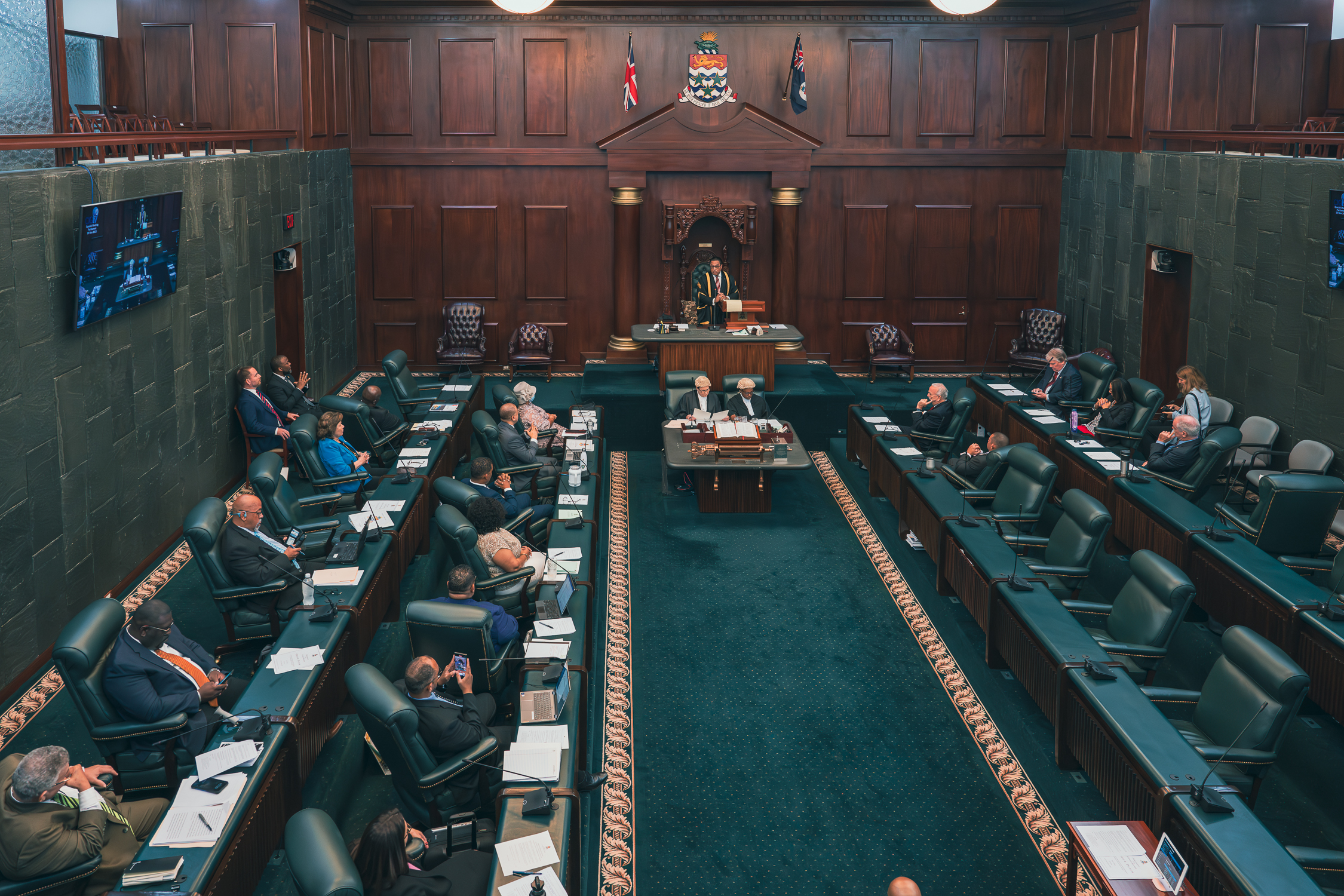
A new report looking into Cayman’s parliamentary effectiveness has found several challenges to its success as a legislature ranging from transparency issues to the absence of a code for members’ conduct and perceived hindrances to its independence.
The Commonwealth Parliamentary Association’s Benchmarks for Democratic Legislatures report, which was completed following an intensive review last year, found several areas within the legislature that do not meet the international standard for good governance.
There are critical areas of the association’s ‘Benchmarks for Democratic Legislatures’ that the Parliament is “some way off achieving”, according to the report.
It put forward 17 recommendations; chief among these are creating a code of conduct and establishing an independent body to determine members’ salaries and benefits.
“Salaries and any allowances should be made public on the website of the independent body and/or Parliament’s website,” the report said.
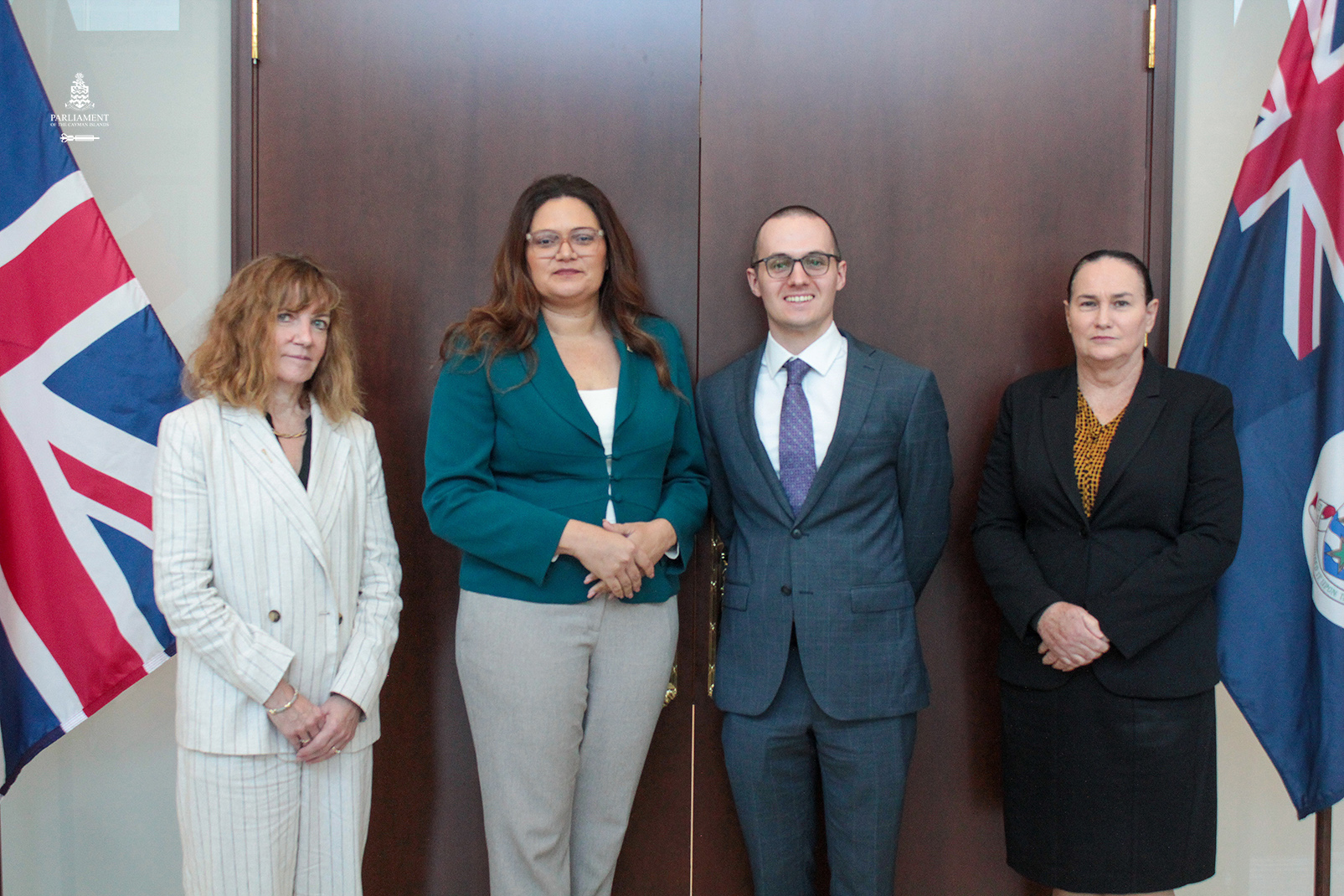
A spokesperson for Parliament, responding to Cayman Compass queries on the report on Wednesday, 5 June, said it was pleased to be part of the opportunity to review procedures and practices against benchmarks developed through the association’s consultation with other Commonwealth legislatures.
The spokesperson did not comment on the report findings, however, saying that the Council of the Parliament Management Commission is scheduled to review and discuss them at its next meeting, and more information on the findings would be available after the council members shared their responses on the report.
Transparency concerns
One major challenge flagged by the report was a lack of transparency, whether from irregular meetings of the House or an absence of publicly accessible information.
The report found that Parliament remains constrained by the scheduling of its sittings, “or lack thereof”.
While it acknowledged that the Parliament’s autonomy is a relatively new development, it said “it is not an excuse for its current situation”.
Parliament as an independent body, the report said, should have the power to call itself into a session “as it would increase its ability to scrutinise the Government and legislate effectively.”
It is imperative that the government understands the importance of legislative sittings and that the timing of meetings should be tracked to better organise such meetings around sittings.
However, it pointed out that at present the executive – the premier and Cabinet – maintains its power over convening Parliament sessions “as and when required” to pass its legislative agenda.
Last month, Speaker of Parliament Sir Alden McLaughlin issued a notice to MPs informing them that the House will resume on 24 June.
Parliament last met in February.
Coupled with the lack of meetings, the report noted that House sessions do not commence on time and that adjournment breaks during a sitting day are “prolonged”.
The report said that during its assessment, it was highlighted frequently that meetings of the executive often the delay the sessions.
“It is imperative that the government understands the importance of legislative sittings and that the timing of meetings should be tracked to better organise such meetings around sittings. As opposed to just being an example of disorganisation that inconveniences Members, this should be perceived as a dysfunction highlighting a lack of independence by the Parliament,” the report said.
Having a calendar for meetings is crucial to the effective functioning of the legislature, the report noted, adding that, currently, meetings are called in an ad hoc manner.
“A Parliamentary calendar should be established as soon as possible and shared with the public via the Parliament’s website,” it recommended.
This is not a new concern. For years, both the opposition and the auditor general have been raising the issue of proper scheduling of meetings.
The lack of meetings also has an impact on the tabling of documents and reports, which the Commonwealth Parliamentary Association noted.
It recommended that a procedure be established for tabling documents when the Parliament is not sitting.
“Stakeholders raised that the Government occasionally fails to meet its statutory deadlines for tabling audited statements and annual reports. Having such a procedure in place would go some way toward addressing this issue and general concerns raised about timely access to government and committee information,” it said.
The report suggested that parliamentary committees would be one example of a body that could establish this procedure.
It pointed out that there is no standing order requirement nor established parliamentary practice for bills to “stand referred to committees”.
However, there is a 28-day notice requirement for the introduction of bills, which allows the public to scrutinise them.
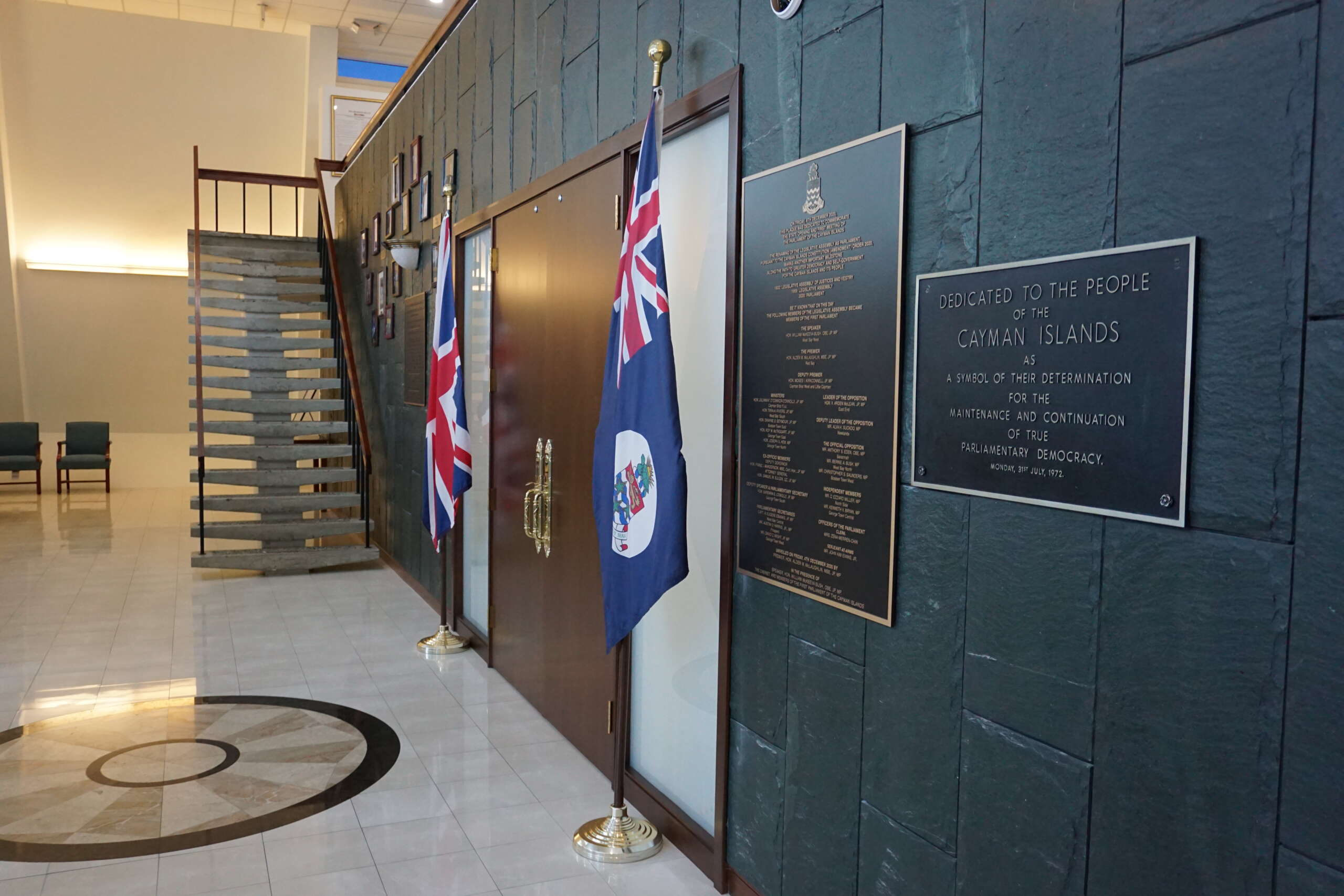
Although the referral of bills to committees for public input does not occur, the report said it was advised that the government regularly conducts public meetings on bills
“Public input into the legislative process is of paramount importance in any legislature. The absence of this in the Cayman Islands is concerning,” it said.
Conduct electoral oversight
Another significant area for improvement in transparency is the perceived ‘opt-in’ agreement current existing code of conduct for MPs, the report said.
It said that although the Parliament has procedural rules on etiquette in the House, “there is no formal code of conduct, agreed upon by all Members, that sets out the standards of behaviour expected of Members as they carry out their work in the Parliament and outside”.
The Parliament, instead, it said, has an “‘opt-in’ code of conduct” that members of the governing party agree to, but opposition members do not.
Two codes of conduct were tabled in the House in 2022. A Ministerial Code of Conduct also exists.
The report noted that “different stakeholders had indicated that there had been previous attempts to create measures and rules to create more transparency and improve behaviour, but this was met with resistance”.
It recommended that a Code of Conduct, agreed upon by all MPs, be established.
When it comes to electoral transparency the report pointed out that Cayman does not have an independent Electoral Commission and, from meetings held in the consultation phase of the self-assessment, “there seems to be no intention” to create one.
At present, only the Elections Office has oversight of Cayman’s polls.
“Stakeholders have highlighted that this might be because elections occur in four-year cycles or the size of Cayman’s electorate. However, this is counter to the Venice Commission and Council of Europe’s good practice to have the organisation of elections overseen by an impartial body that should be in charge of applying electoral law,” the report said.

It also stated that it was recommended in the last Election Observer Mission report that political party financing and candidate disclosures should be monitored for compliance.
“From the consultation, it was noted by several stakeholders that, at this midway point ahead of the next election, this still needs to be put in place. Recommendations like this and others must be implemented to prevent corruption and unlawful influence, ensure fair competition, and safeguard public trust in elections,” the report said.
Elections Supervisor Wesley Howell has indicated previously that possible increases in how much political candidates can spend on their campaigns and closer scrutiny of their pre-election spending are among proposed changes to the Elections Act. Those changes are yet to be published.
The report noted that more women should be sitting in Parliament, adding that there “are still social and economic barriers to women being fully equal”.
“Increasing women’s representation could be something that Commonwealth Women Parliamentarians and the CPA could assist with, and the Parliament may wish to consider a Gender Sensitive Audit to identify further opportunities for development,” it said.
The report also suggested that the new Parliament website could be used to address the transparency of members’ registered interest filings.
The Constitution mandates a register of interests which the Commission for Standards in Public Life maintains. MPs and parliamentary staff are required to file a yearly register of interest.
The forms themselves, however, the report said, are not publicly available as they could be.
MPs Register of Interest forms are available for inspection at the Commission’s Office upon request.
“These forms should be made available on the new website the Parliament has launched. Doing so will allow citizens to access these details, understand what interests Members have, and assure them that any stakeholders are not unduly influencing them,” the report said.
The report said Parliament should, in consultation with members, develop a multi-year strategic plan to improve the functioning of the institution and “ensure that the public can see its long-term vision and scrutinise performance against it”.
It also recommended a comprehensive procedural orientation to the Standing Orders and procedures governing committees for incoming MPs and dedicated staff to support research services to Members.
It also recommended a proactive approach to educating the public about the legislature, its functions and how they can use petitions within the Parliament.
The report said a process for post-legislative scrutiny of laws should be considered by consulting with other parliaments and NGOs for examples of good practice and what is simple, efficient, and effective.
It also recommended a disability audit of the institution and its premises, providing a roadmap for how it can be made more accessible to persons with disabilities.
Related Videos









How many reports has Govt recd from the Auditor General and other qualified and informed sources and done nothing about. This is a sad commentary on our leaders and the country as a whole.