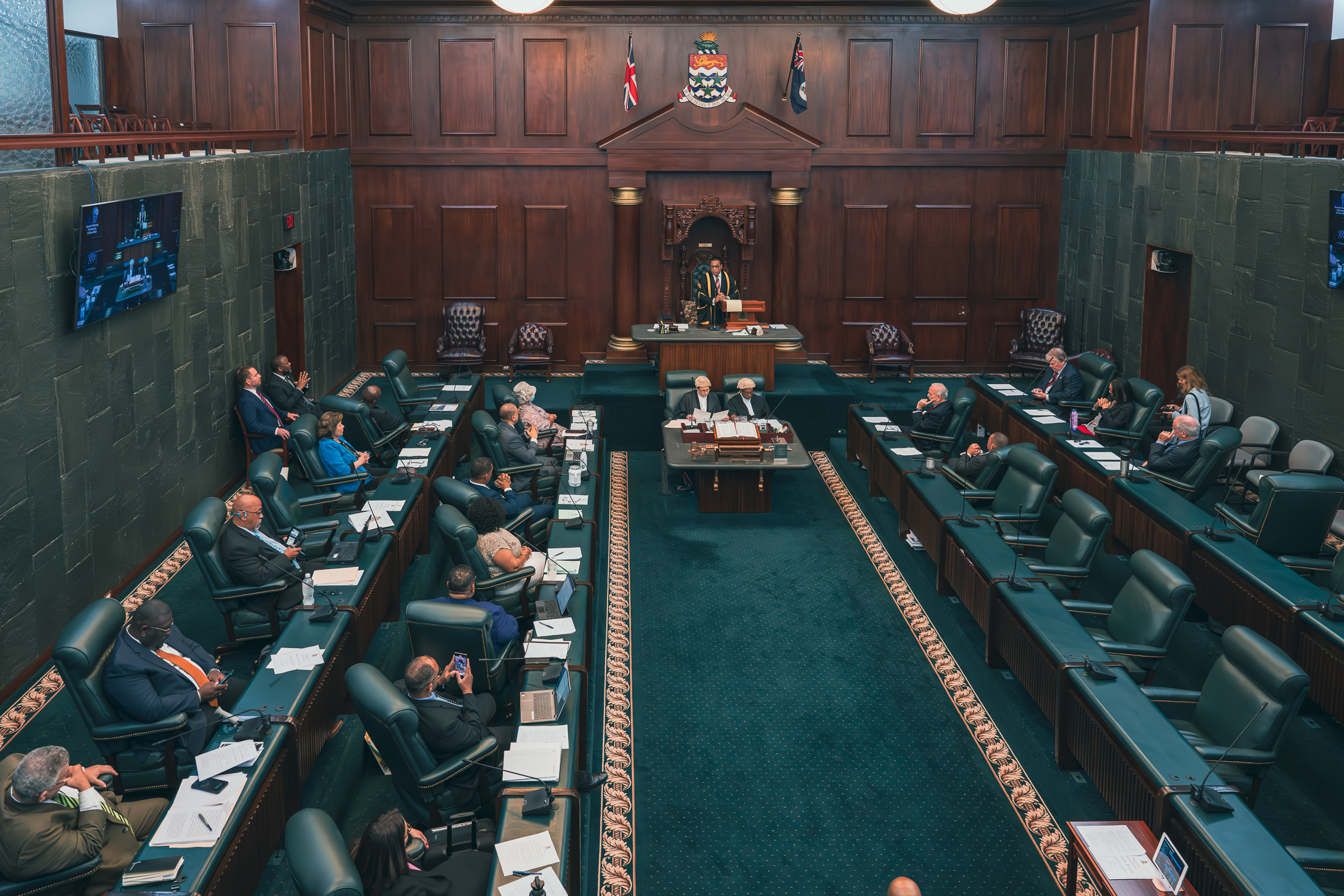
As Auditor General Sue Winspear welcomed the formation of the new United People’s Movement administration, she has called on the new premier to create a set schedule of parliamentary meetings.
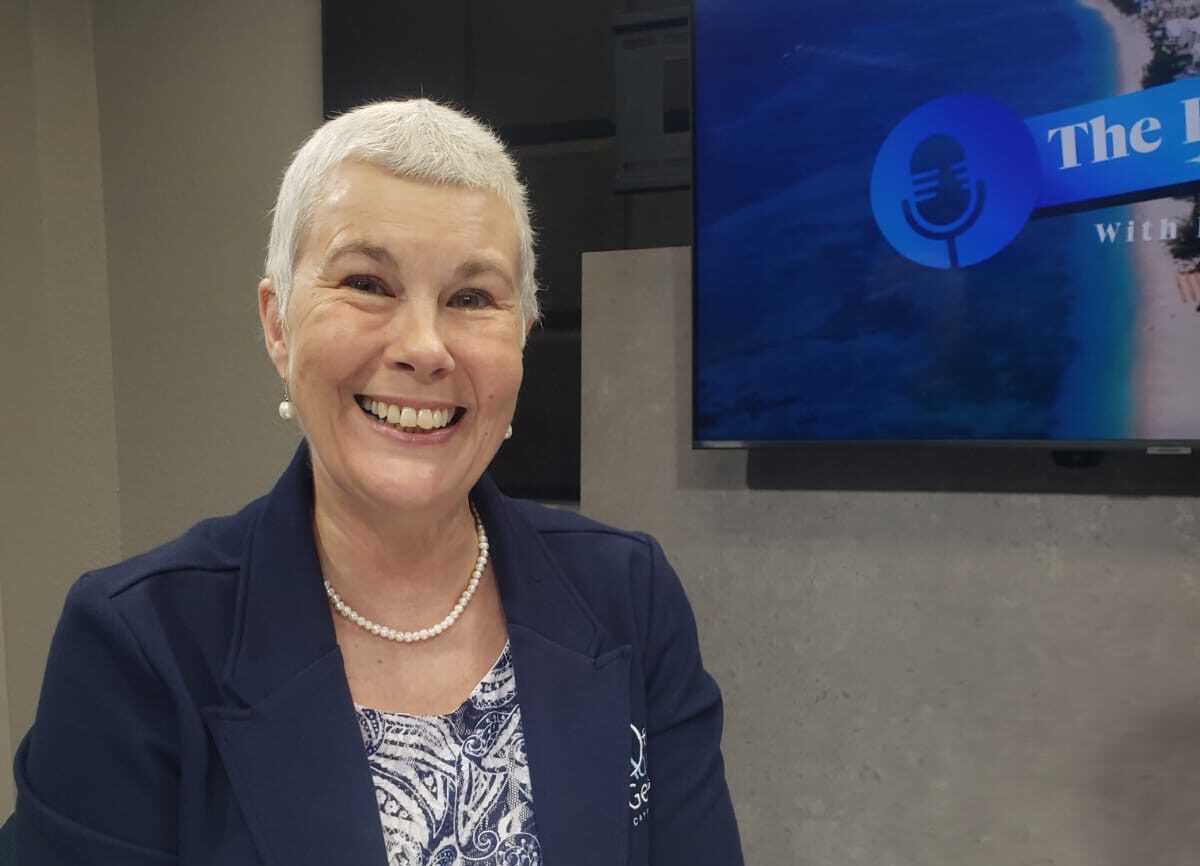
Stressing the importance of regular meetings, Winspear said parliamentary sittings were an important tool for good governance and transparency.
“If there’s one thing that I think would make the conduct of government and the efficiency of the civil service and the public service better, it would probably be asking that we get to a point where Parliament meets routinely and regularly on a pre-agreed schedule,” Winspear said, when she appeared on the Cayman Compass talk show ‘The Resh Hour’.
This was not the first time the issue of ad hoc parliamentary meetings had been mentioned by the auditor general and her team.
Back in July, Deputy Auditor General Angela Cullen raised the issue in the Public Accounts Committee, saying the lack of regular parliamentary sessions has consistently led to late tabling of the government’s reports, financial statements and minutes.
Winspear stressed that these have to be conducted in Parliament in order to advance accountability in government.
“There’s an awful lot of background business like laying of annual reports and things like that, that could happen so much more efficiently and effectively if there was a routine schedule of meetings of Parliament,” she said, adding that this was something the Commonwealth Parliamentary Association would be recommending after its recent visit here.
Reports must be timely
Winspear explained that every year her office conducts audits of 46 entities in the public service – ministries, offices, statutory authorities and government companies – which are important because they are spending public money.
Additionally, she said, each of these entities also produce annual reports to promote their business, as well as include their audited financial statements, which need to be made available to the public in a timely way.
However, Winspear said, at the moment these reports cannot be made public until they’ve been laid in the House.
“If you’ve got something ready to go and the House doesn’t sit for another two months, that’s two months that the public, your stakeholders, people that are interested, can’t actually access that information. So it’s just a really good governance point. Aside from that, all of my reports have to go through Parliament and get tabled,” she said.
When Public Accounts Committee hearings are held to dig into those reports, she said, witnesses are called and they commit to do certain things.
Important for governance
The PAC reports with those commitments are taken back to the House and civil servants must respond to those reports within 90 days.
But she said that depends on when Parliament meets.
Rather than meeting deadlines, she explained, some of the public entities are “years behind because… when Parliament does sit you’re in a queue with all sorts of other bits of business.. and there’s a finite amount of time. So sometimes even though it’s in the queue, it won’t actually end up going before the House,” she said.
However, Winspear has acknowledged the laying of annual reports has improved, “probably because I have been going on about it”.
“I do think the thing that will improve it further is just a routine and regular meeting of the House or coming up with a mechanism like they have in, for example, the UK whereby you can lay things when the House is not actually in session,” she said.
In the UK, she said, when she was in the National Audit Office she would take her report to the Speaker as soon as it was received and it was judged as being laid.
The inconsistency of meetings has also been a complaint of many Opposition lawmakers over the years and while there have been talk of creating a formalised schedule, nothing solid has materialised.
Prior to his election as Speaker of the House, Red Bay MP Sir Alden McLaughlin also raised his concern over the dwindling number of meetings.
In his new role, McLaughlin also chairs the Parliament Management Committee which has autonomy over the legislature and how it operates.
Related Videos