

By Cayman Compass contributor David A. Sleet
In 2025, six people lost their lives on Cayman’s roads … as drivers, passengers, cyclists and pedestrians. For a country of fewer than 95,000 residents, each of those road fatalities reverberates across families, workplaces, churches and communities. Behind every statistic is a life cut short and loved ones left grieving.
Over the past several years, the Cayman Islands have averaged about 15 road fatalities per 100,000 people. That is higher than the United States’ rate of roughly 12.2 per 100,000, and similar to or higher than many of your Caribbean neighbors. The Bahamas reports about 16 per 100,000; Jamaica, nearly 18; and Barbados, about 10.
The causes are not mysterious. Police reports and hospital observations point to a familiar mix: speeding on increasingly congested roads, lack of helmet use, drinking and driving, poor road infrastructure, and growing driver distraction caused by mobile devices. These are behaviours that can change. In a country as small as Cayman, change would have a measurable impact within a single year.
Reduce impaired driving
Even small amounts of alcohol slow reaction time.
Cayman, which in recent years lowered its legal blood alcohol content (BAC) from 1.0% to 0.07%, now has an opportunity to follow global best practices by reducing its BAC limit even further. Worldwide, roughly 90–100 countries have set their BAC limit for drivers at 0.05% or lower. This aligns with guidance from the World Health Organization, which recommends 0.05% BAC as a best-practice standard to reduce alcohol-impaired driving.
Some countries go further, setting BAC at 0.02% or even 0.00% (zero tolerance), especially for novice or commercial drivers. The US Centers for Disease Control and Prevention and the US Department of Transportation both report that lower BAC limits are associated with reductions in alcohol-related crashes and fatalities.
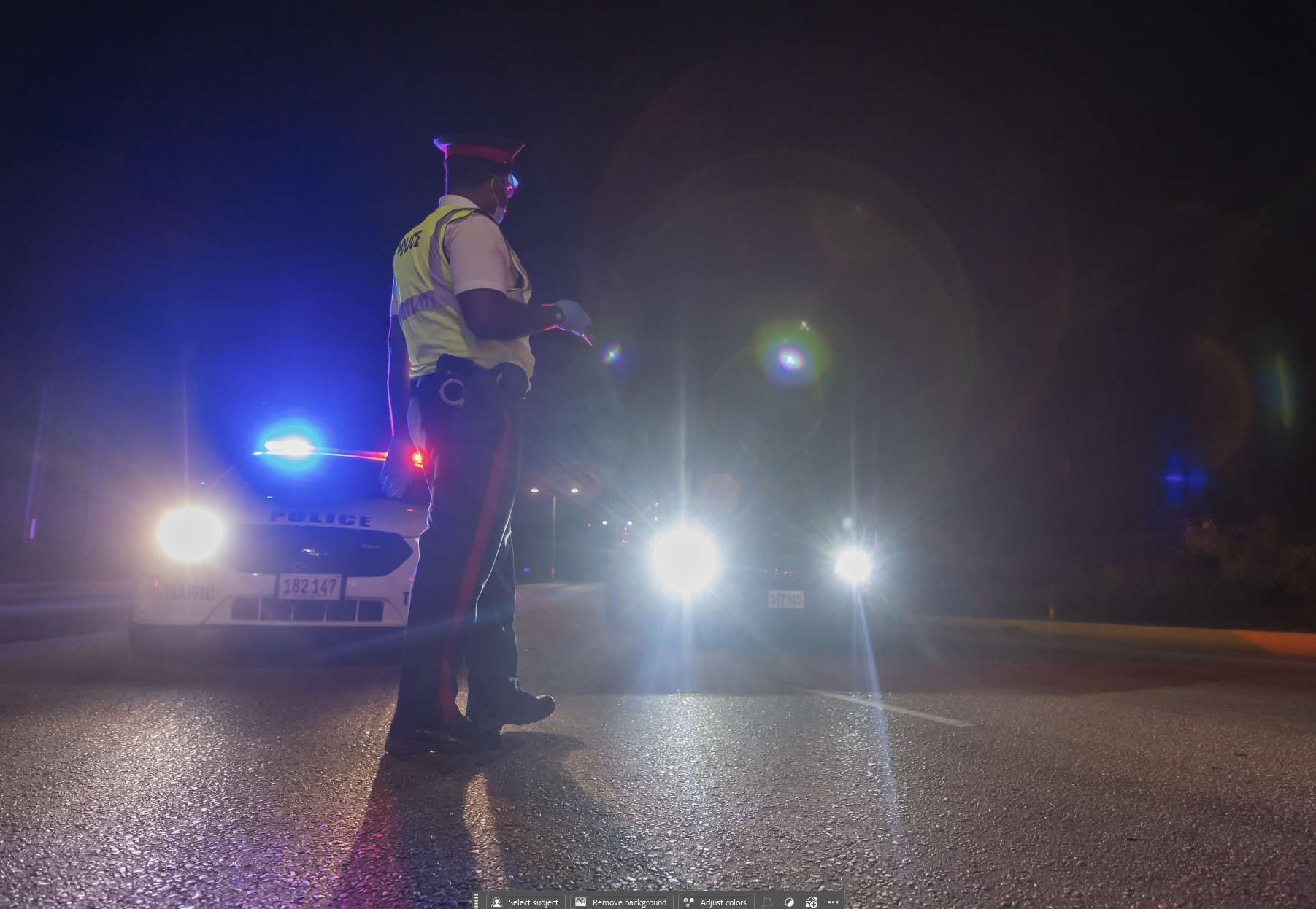
Cayman can also do more to strengthen enforcement, establish alcohol checkpoints to test drivers for alcohol impairment on the road (not just after a crash), and encourage establishments that serve alcohol to adopt “safe-ride” partnerships with taxis and ride-share services. Every resident should treat alcohol -impaired driving as socially unacceptable.
Slow down
Speed magnifies every error. On islands where many roads have limited lighting, tight curves and close pedestrian activity, the difference between 25 mph and 35 mph is the difference between a collision and a fatality.
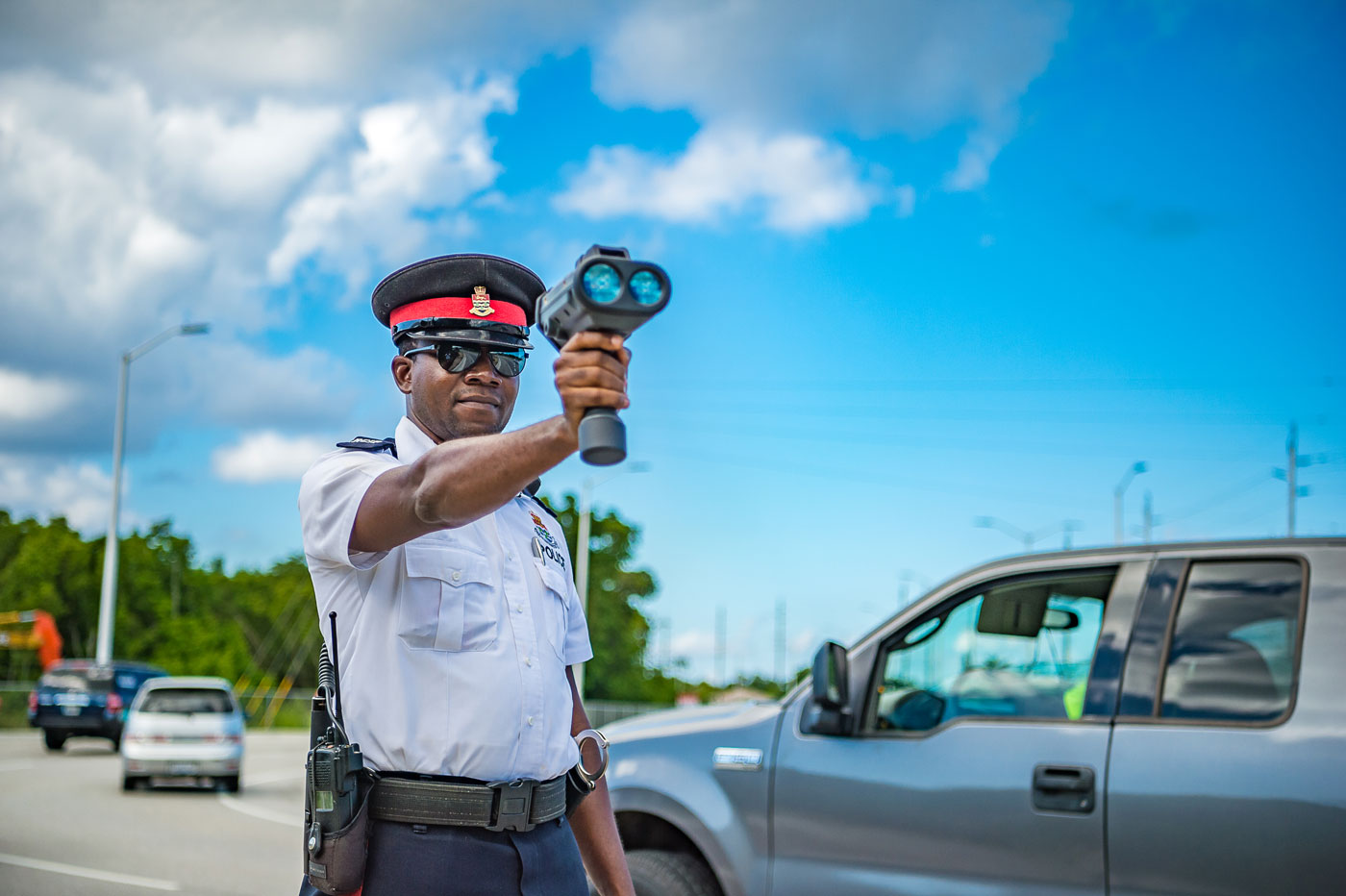
Consistent enforcement, traffic-calming designs in high-risk zones, and a community norm against speeding is needed.
Buckle up
Everybody in a moving vehicle should fasten their safety belts in every seat, on every ride.
Occupant restraint use is one of the simplest and most scientifically proven interventions to reduce death and serious injury.
Back-seat passengers thrown forward become fatal projectiles. Parents, caregivers and taxi operators all have a role in making sure everyone is buckled up on every trip.
Put the phone down
Distracted driving is increasingly visible on the roads in many countries. Hands-free is safer than hand-held; fully focused is safer than both. A text message can wait; a life cannot.
Public messaging and early education
The Royal Cayman Islands Police Service has emphasized the need for road-safety education in schools, youth-focused campaigns and community-based interventions. These strategies have been employed worldwide.
We know that children can influence parents and grandparents behaviors. Teaching children about the importance of using safety belts and child safety seats can often result in children reminding their caregivers to take action and buckle up.
Better road design
Cayman should design roads that forgive human error.
Roundabouts, rumble strips, flexible lane posts, pedestrian islands and better lighting all reduce crash risk and injury severity. Enforcement works best when safe road design supports it.
Require bicycle helmets
The leading cause of serious injury and death among cyclists is head trauma.
eAlthough wearing a helmet while bicycling is not mandated under the current Cayman law, E-bike, scooter and motorcycle users are required to use a helmet in traffic.
The same policy should apply to all cyclists. While the Cayman Islands Road Safety Advisory Committee strongly advises cyclists to wear helmets, the prevalence of helmet use in the Cayman Islands is likely within the lower range observed internationally in settings without helmet legislation, generally 15–35%.
According to Cayman police statistics, the number of accidents involving bicycles have fluctuated greatly from about 17 per year to as high as 40. Injuries are often the result. A mandatory helmet use law for all cyclists would result in a significant reduction in head trauma and death resulting from cycle accidents.
An opportunity
The Cayman Islands face a road-safety challenge, but also a unique opportunity because change can move fast in small communities. A modest increase in seat-belt use, a slight reduction in average vehicle speed, a cycle helmet law or a few hundred fewer alcohol-impaired drivers on the road can cut the fatality rate within months, not years.
Six traffic deaths in a year is six too many. These deaths can serve as a turning point if the Cayman Islands commits to doing better. Government, police, businesses and every road user, together, can reverse this trend and save lives – it is a collective responsibility. The solutions are already known. What’s needed now is decisive action and a shared belief that Cayman’s roads can, and should be, among the safest in the region.
David A. Sleet is a traffic safety consultant and the former associate director for science at the US Centers for Disease Control and Prevention’s Division of Injury Prevention in Atlanta, Georgia, and co-author of the WHO World Report on Road Traffic Injury Prevention.
Related Videos













“A mandatory helmet use law for all cyclists would result in a significant reduction in head trauma and death resulting from cycle accidents.”
While that is true, the it isn’t because the death rate of cyclists falls, it’s because there are fewer cyclists. The only proven effects of helmet laws and propaganda is to reduce the number of cyclists and make vast profits for those making and selling helmets.
The people deterred from cycling lose the overwhelming health benefits, physical and mental, get chronically sick and cost the health services much more than the savings in cyclist deaths.
Australia was the first country to enact a cycle helmet law, on the promise of it reducing the death rate of cyclists by 85% (from a study which was the worst of bad science) but the death rate went up, not down. The only observable effect was fewer cyclists, and Australia is now one of the most obese nations on Earth. Constrast that with Holland, where very few people wear helmets, but where cycling is much safer than Australia. Whatever makes cycling safe, it isn’t helmets.
For our population we also have a large number of hit and run cases where the victim loses their life . This reflects poorly on our motoring society.