

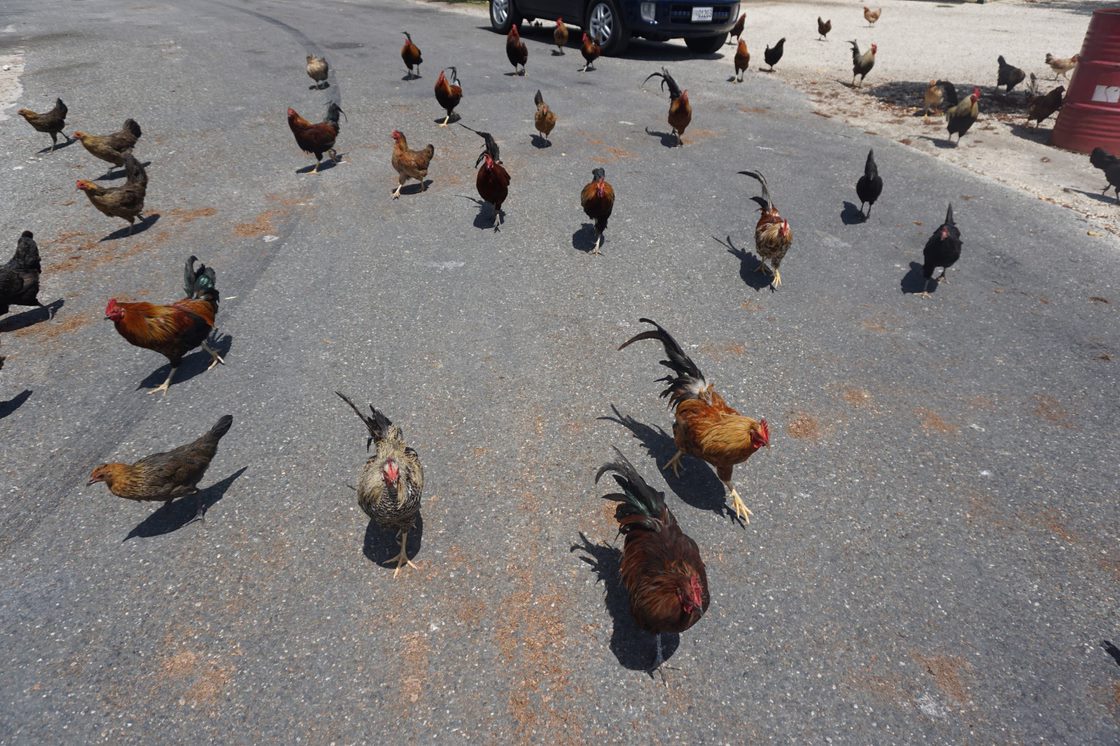
A proposed cull of feral chickens in the Cayman Islands has been put on hold. Director of the Department of Agriculture Wilbur Welcome confirmed on 24 March that “the initiative is currently on hold pending funding approval”.
The proposed chicken cull was announced after an outbreak of highly pathogenic avian influenza, H5N1, was confirmed on 28 Nov. 2025 at a poultry farm in West Bay.
The outbreak triggered a rapid, multi-agency response. All 69 birds at the affected site were culled, movement of birds between the islands was temporarily halted, and enhanced biosecurity measures were introduced.
At the time, government approved an extra $500,000 in emergency funding to combat the spread of the virus.
By early 2026, Cayman was declared free of the virus. But even as the immediate threat receded, government signaled a longer-term strategy.
On 21 Jan. 2026, officials announced plans for a feral chicken cull, with the Department of Agriculture tasked with developing a framework to guide how the programme would operate.
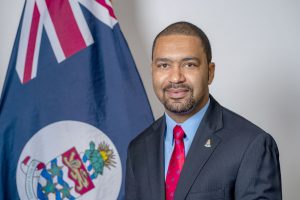
Director of the Department of Agriculture, Wilbur Welcome said at the time, that the move was aimed at reducing the risk of future outbreaks.
“Feral chickens are a vector for some of these highly transmittable diseases, like avian influenza,” he said. “The more feral chickens we have, the greater likelihood we have, or greater possibility we have, of avian influenza or other similar diseases being spread throughout our islands.”
Welcome said that the programme would mirror the structured approach used in the green iguana cull, including licensing requirements and strict guidelines.
“In addition to that, they would also need to be approved by RCIPS to have their firearms license updated to allow them to cull feral chickens, so it is an iterative process – it is not just an announcement – and then we make payments,” he said.
When the proposed cull was announced, there was no set quota for how many birds would be removed.
Compass Media asked Welcome how much of the $500,000 that was allocated had been spent.
“Funds from one budget cycle (i.e. 2024/2025) cannot be transferred to another budget cycle (i.e. 2026/2027),” Welcome said. “As such none of the allocated CI$500,000 funding was utilised in 2025 due to timing constraints in December 2025.”
In January, Welcome said the Department of Agriculture continued to humanely euthanise feral chickens brought in by the public.
“We will cage them, one of our vet team will humanely euthanise the chicken and then we share the cadaver with the St. Matthews University for educational purposes for their students,” Welcome said.
He credited the successful containment of the 2025 outbreak to strong collaboration across agencies.
“It allowed us to set up a framework, so if this was to occur again in the future, then we know who to call, and how to triage the situation. We have much more capacity now because we have been cross trained throughout the departments,” he said.
During the avian influenza outbreak at the farm in West Bay, Health officials consistently emphasised that the risk to the public remained low, and there were no confirmed human cases.
Related Videos







How utterly pathetic. Feral chickens are a blight on the whole country. They’re like a sign to all visitors “You are entering a third world country!”. This should be a top priority, not just for the Health Dept, but also for the tourism folks. Disgusting, dangerous and unhygienic.
I am a visitor, for 8 weeks per yr, and drop lots of $$$$$$$$ to you all. I and family love to see and hear the chickens. We also loved the iguanas ,before you all killed them. Do something useful put sand on SMB, all you do is talk about it.