Local farmers are being warned that the current strain of avian flu that was identified in a farm on Cemetery Road in West Bay on 28 Nov. is both highly contagious and often fatal for domestic birds.
At a meeting with farmers on 2 Dec., Department of Agriculture Senior Veterinary Officer Dr. Tiffany Chisholm confirmed that the virus detected in Cayman is H5N1, describing it as one of the most dangerous forms of avian influenza because of how quickly it spreads through flocks and the high death rates associated with infection.
She said testing was carried out locally through a system established in collaboration with the Health Services Authority, allowing the strain to be identified without sending samples overseas.
Chisholm told farmers that the disease can move with dramatic speed once it enters a coop or pen. In the case currently under investigation, she said the bird died within 24 hours and showed no warning signs beforehand.
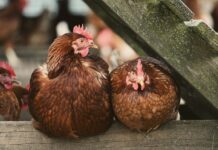
“If your chickens were to get this virus, the vast majority of your chickens would likely not survive… You have day one, happy birds. By day two, you’re seeing majority dead birds. That’s how fast it works,” she said.
Chisholm warned that if H5N1 enters a flock, the survival rate would be very low and urged farmers not to hide suspected infections for fear of losses.
“I don’t think hiding a case is going to be a benefit,” she said. “I think you’re going to put your families at risk, and you’re going to be putting potential neighbors at risk, especially if they also have birds.”
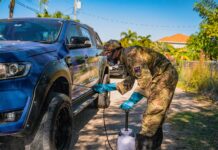
The H5N1 virus spreads mainly through close contact with infected animals or through exposure to contaminated feed, water, equipment and surfaces. Birds are considered most at risk, but monitoring has now expanded beyond poultry.
Authorities are also keeping livestock and household pets under observation, with private veterinarians expected to assist in identifying potential cases in animals such as cats and dogs, which are known to be susceptible.
Harvard Health explains that bird flu is caused by influenza A viruses that normally circulate among wild birds. The strain currently raising concern, H5N1, is most often carried by water birds such as ducks and geese, as well as gulls and other shorebirds, which shed the virus in saliva, mucus and droppings.
Because many wild birds show no obvious signs of illness, the virus can spread unnoticed into domestic flocks, where it is far more dangerous and classified as highly pathogenic avian influenza.
The virus is also increasingly being detected beyond bird populations. The medical journal The Lancet reports that H5N1 has now been found in more than 40 species of mammals. Infections on farms and recent cases in dairy cattle in the United States have highlighted how widely the virus has crossed species. No cases have been detected in mammals in Cayman.
Health authorities say people are unlikely to catch avian flu unless they have close, direct contact with infected animals. In the United States, 71 human infections and two deaths have been reported since 2024, while no cases have been recorded in the Cayman Islands, and experts emphasise there is still no evidence anywhere in the world of person-to-person spread.
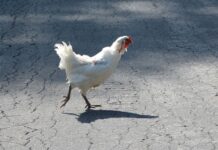
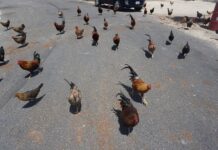
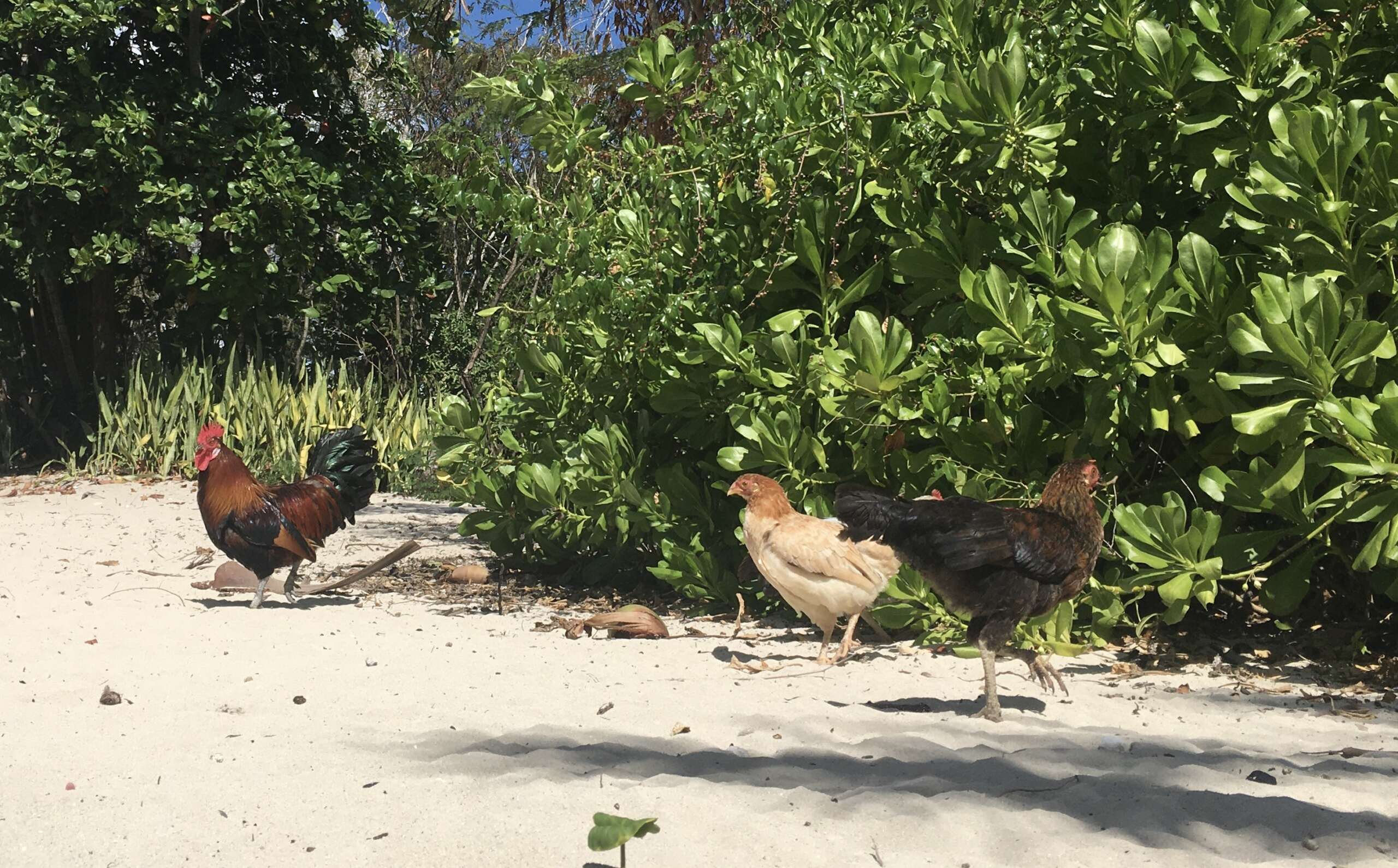
Chief Medical Officer Dr. Hilary Wolf said the overall risk to the public remains low but urged residents not to touch wild birds, including feral chickens and to avoid any animals that look ill or have died.
Chisholm also called for a measured response from the public. While acknowledging the emotional toll the disease can take on farmers, she said preparedness and transparency remain the most effective ways to limit its impact.
Related Videos