

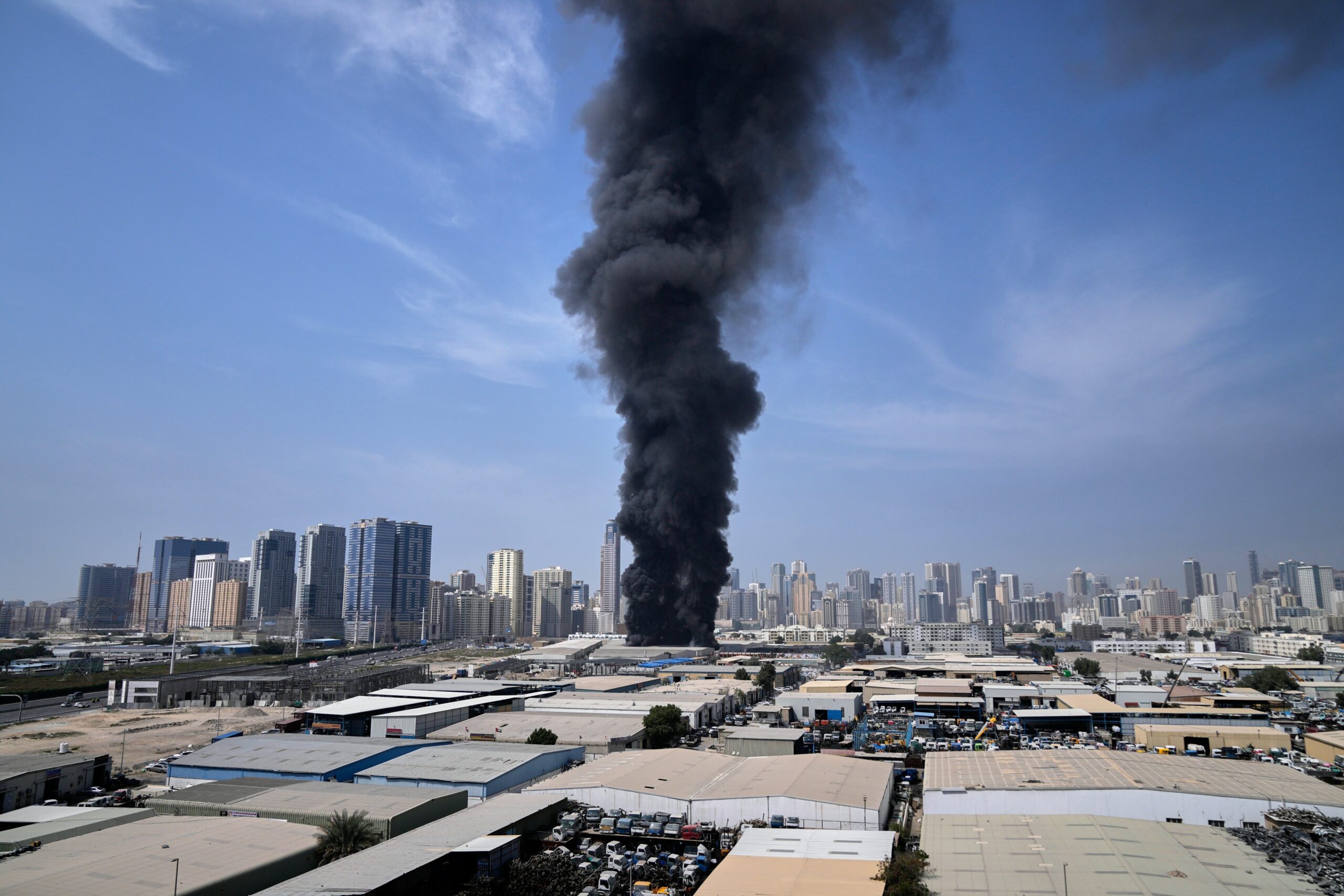
Over the last decade the United Arab Emirates has emerged as a global hub for private wealth. According to data from global property consultancy, Knight Frank, more than 130,000 millionaires live in the country. Even centi-millionaires – people with more than US$100 million – are pretty commonplace, with more than 300 of them officially resident in the UAE.
Dubai is the home for most of the high-net worth individuals in the UAE, and in recent years the emirate has become a crucial destination on the global wealth map. “When I first arrived in Dubai eight years ago, it was much more transient,” said Dubai-based private wealth advisor Jordan Ellis. “People did not intend to stay long term or park their wealth here.”
But Dubai introduced specific family office regulations through certain free zones, foundation legislation, trust legislation and various corporate structuring options to entice family offices. Richard Grasby, a Hong Kong-based partner for Appleby, noted that “a lot of the fund management and administration business had been going to Dubai.”
A crucial factor to Dubai’s success wasn’t just getting more entities registered on paper; it also persuaded the families behind the wealth to move to the jurisdiction.
“The golden visa regime has been key,” said Ellis, who works as a private wealth lawyer for the firm Stephenson Harwood. “For example, you can avail 10-year residency by buying a property worth around US$500,000. That has helped draw families and wealth into the region.”
Other factors were relaxed lifestyle rules, quality of life, healthcare and education and a wide range of luxury housing options.
According to Knight Frank data, the number of centi-millionaires doubled over the last decade. While more than 7,000 ‘regular’ millionaires moved to the jurisdiction in 2024.
One of the most important draws was Dubai’s perceived safety. Yet Iran’s attacks on the Dubai International Finance Centre and the emirate’s airport have undermined that perception.

“Dubai scores highly on stability and security,” said Grasby. “But I do not think people fully appreciated this risk before. That has been a wake-up call.”
The ongoing war in the Middle East is a reminder why stability and diversification are key words for family offices.
“The broader trend is not fleeing from place to place, but diversification,” said Grasby. “This is not just financial hedging, but jurisdictional hedging – spreading risk across locations in case of geopolitical shocks, tax changes, law changes etc.”
Grasby cited COVID-19, civil unrest and tax changes as examples of why family offices are keen to diversify. He also noted that sanctions had become an important factor.
“Historically, much wealth was concentrated in London, New York and Switzerland. But sanctions – particularly against Russians – have changed perceptions.”
The war impact
“Since the war started … Some individual family members have left temporarily, but the intention is to return,” said Ellis.

“I do not expect a large-scale exodus of wealthy individuals from the UAE at this stage,” said Ellis. Setting up a family office is expensive and time-consuming, and these families view UAE as their home. You are not going to abandon that after four weeks.” However, he admitted that could change if the conflict continues. “If the situation continues beyond summer, clients may start looking at alternatives.”
Most private wealth advisors the Compass spoke to agreed it was too soon to see family offices make long-term decisions based on the Iran War. However, it has succeeded in arresting Dubai’s rapid gains as a private wealth hub.
“What we are seeing perhaps is a pause in the Dubai and Abu Dhabi momentum,” said Grasby. “Real estate was booming, everyone was setting up there, but things are now on hold in the region.”
Ellis agreed there could be some impact, noting that the Dubai property market, which he felt was due a correction, may undergo a period of adjustment.
Cayman’s competitive advantages
If the Iran War does lead to a shift away from Dubai – or at the very least dissuades new family offices from setting up there – then Cayman could benefit.

“Under current law an investment in $2 million of developed real estate will give you permanent residency,” said James O’Brien, head of luxury real estate for IRG International.
O’Brien said Cayman’s main draw is security. “It provides safety for the family and safety for their capital.”
But there are also other important advantages. “For those considering the Caribbean, Cayman offers strong connectivity to London and major North American cities, an English-speaking environment, English common law, and no restrictions on property ownership. It also has a world-class education system, strong healthcare, the highest GDP per capita in the Caribbean.”
O’Brien notes that he has already been approached by one family office, looking to relocate to Cayman on a medium-term basis, while they see how the situation in Dubai evolves. “I am travelling to London in two weeks to meet private wealth managers, private bankers, concierge firms and tax planners. For the first time in years, my diary is filling up quickly.”
It’s not a like-for-like swap for Dubai, but if even a small portion of the Emirate’s ultra-high-net worth individuals were to relocate, it could have a big impact on Cayman.
As one family office representative in Cayman noted, “We have an opportunity now to attract private sector investment to Cayman in exchange for the safe haven status the islands offer to these capital-rich families.”
Related Videos







“Yet Iran’s attacks on the Dubai International Finance Centre and the emirate’s airport have undermined that perception.”
This is an understatement.
Now for the Pollyanna award:
“I do not expect a large-scale exodus of wealthy individuals from the UAE at this stage,” said Ellis. Setting up a family office is expensive and time-consuming, and these families view UAE as their home. You are not going to abandon that after four weeks.” However, he admitted that could change if the conflict continues. “If the situation continues beyond summer, clients may start looking at alternatives.”
One of the advantages of having wealth is the ability to get out of dodge if needed. Perhaps the structures will stay behind with assets booked in Dubai, but people who can leave will leave, especially if drones and missiles keep flying during a ceasefire. If I was sitting in Dubai, I would have my family out and already be looking at alternatives. Actually I wouldn’t be sitting in Dubai. If people leave Cayman to avoid a named storm, people should be leaving Dubai as there is a low probability but high severity risk that something falls out of the sky and lands on your head. Can’t imagine it is fun to react to air raid sirens etc. As we see here if it isn’t their home people will just up and leave when things get a little dicey.