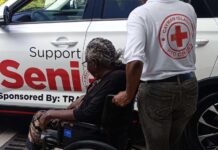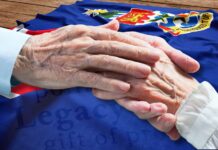
As Cayman’s population continues to age, social workers and advocates are expressing growing concern about elder abuse, warning that many cases may still be going unreported.
Speaking during a Compass TV Daybreak programme segment, Department of Children and Family Services social worker Marjorie Whittaker described elder abuse as “any single or repeated action that causes harm or distress to an older person,” including physical, emotional and financial abuse, as well as neglect, exploitation and discrimination. She said many victims are reluctant to come forward because they fear the consequences of reporting mistreatment.
Whittaker said warning signs can include unexplained injuries, anxiety, depression and social withdrawal, adding that neglect remains the most commonly reported category received by the Department of Children and Family Services.
While Cayman does not publish specific data on elder abuse cases, international research suggests the problem is widespread and growing globally.
A July 2025 meta-analysis published in BMC Public Health, which examined 94 studies across 35 countries, found that 27.6% of older adults worldwide had experienced some form of abuse. Emotional and psychological abuse were the most frequently reported forms, followed by neglect and financial exploitation.
A separate 2026 review published in the journal Behavioural Sciences estimated that globally only one in 24 cases of elder abuse are formally reported.
In a previous Compass report, Deirdre Carmola of the Council of Older Persons said shame and family loyalty often prevent victims from coming forward. Magda Embury, an attorney with the National Council for Persons with Disabilities, warned that disabilities can further increase vulnerability.
“Mobility issues may trap them at home, and memory loss may keep them from even recalling the abuse,” Embury said.
Dementia is also expected to intensify the challenge in Cayman. The Ministry of Health reported that 1,053 people in the Cayman Islands were living with dementia in 2021, most with Alzheimer’s disease, though Sloane Pharr-Strang of The Wellness Centre has said the true number is likely significantly higher.
Concerns surrounding elder abuse have surfaced repeatedly in Cayman over the past decade.
In 2016, government consultations held across Grand Cayman, Cayman Brac and Little Cayman to help shape the Older Persons Policy revealed reports of seniors being left hungry, isolated and without adequate care. Participants also described cases where relatives allegedly took pension or welfare payments intended for elderly family members.
The issue received renewed attention during an 11 May appearance by Department of Children and Family Services officials on the Daybreak programme, where social workers outlined warning signs communities and families should watch for.
Cassandra Fearon, social work manager at the department, said repeated injuries, fearful behaviour around certain individuals, sudden changes to wills or financial documents, unpaid bills despite available income, and unsafe living conditions can all signal possible abuse or neglect.
Fearon said seniors who are socially isolated, dependent on caregivers or living with mobility or medical challenges may face heightened risk.
She also pointed to caregiver burnout as a contributing factor in some situations involving neglect or mistreatment.
“Family members are having to care for an older relative and they have not expected the amount of issues to deal with in the care of this older person, and they become overwhelmed,” Fearon said during the interview.
She encouraged caregivers experiencing stress to seek support services before situations escalate.
Department of Children and Family Services officials encourage members of the public to report suspected cases of elder abuse or neglect directly to the department by calling 949-0290 or emailing [email protected]. In emergencies, members of the public should call 911 immediately.
Related Videos