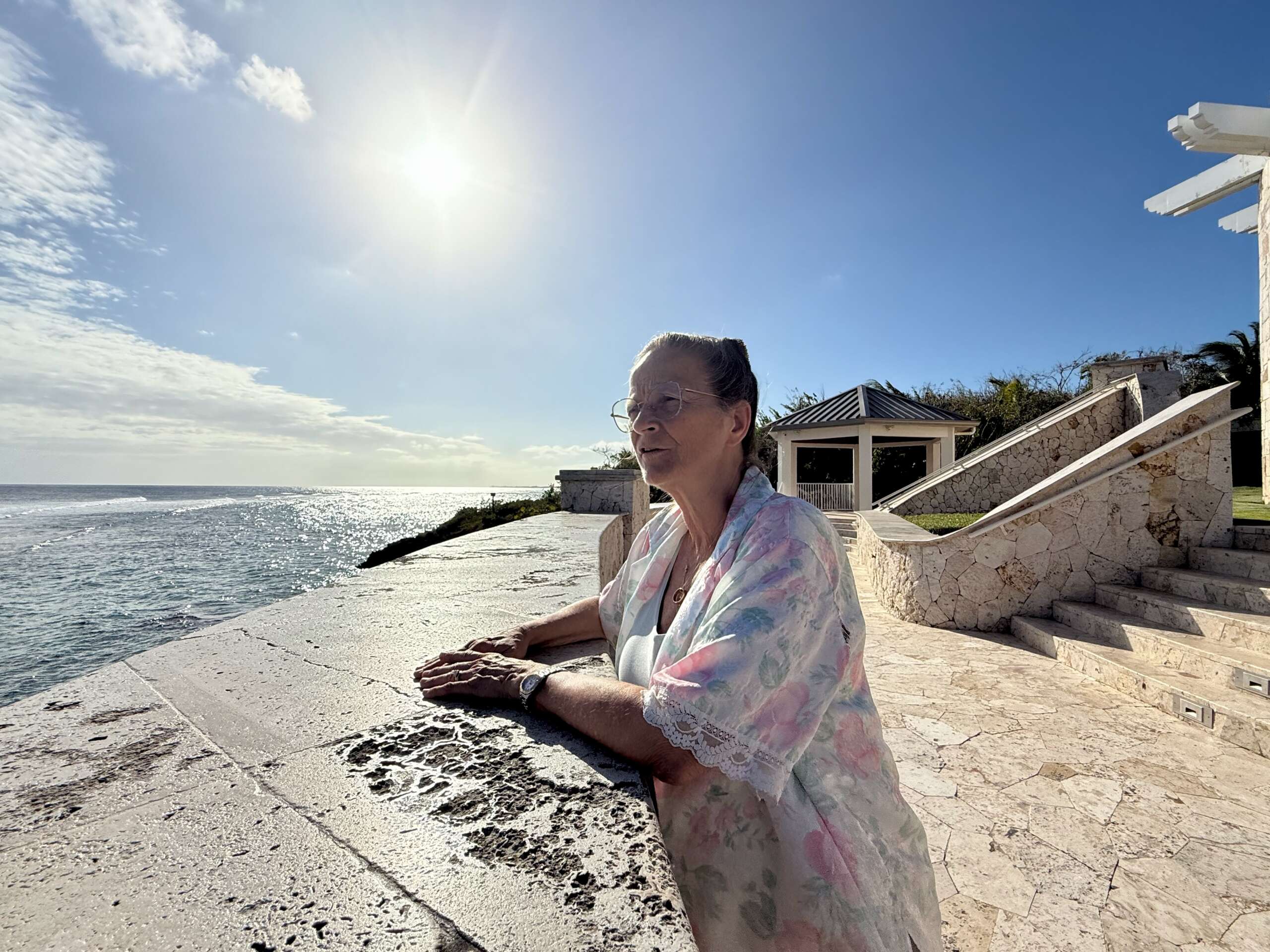
A Cayman Islands non-profit organisation that hosts free summer camps for young people at an oceanfront farm is fighting planning enforcement action that threatens its programmes.
The founders of The Island House were served with a stop notice under the Development and Planning Act, alleging an unauthorised change of use of a Savannah property from residential to commercial.
Dr. Gale Zappacosta, co-founder of the organisation, was first cited for “commercial use” of her property after allowing a Caymanian couple to hold a wedding on site, free of charge, in Feb. 2025. A second enforcement notice followed in July after she served breakfast and lunch in her backyard to children attending a summer camp.
Zappacosta’s appeal against the first notice was dismissed by the Central Planning Authority, and her lawyers have filed for judicial review with a hearing planned later this year.
The second notice is currently under appeal with the planning authority.
The Island House’s programmes have been sponsored by the Ministry of Youth Services and students have previously been bussed in from Grand Cayman’s high schools to attend.
Zappacosta, a chiropractor who built the farm from scratch with her late husband Bob beginning in 2013, says the actions have left her afraid to host a gathering on her own property or let children kick a ball in the adjacent field.
“I’m a health practitioner,” she told the Compass. “I cannot walk that path to do something that Enforcement could construe as a criminal offence.”
The Island House uses four adjacent parcels to Zappacosta’s home. The property includes a garden, a working farm licensed for commercial growing, and the ocean-facing property where the wedding took place.
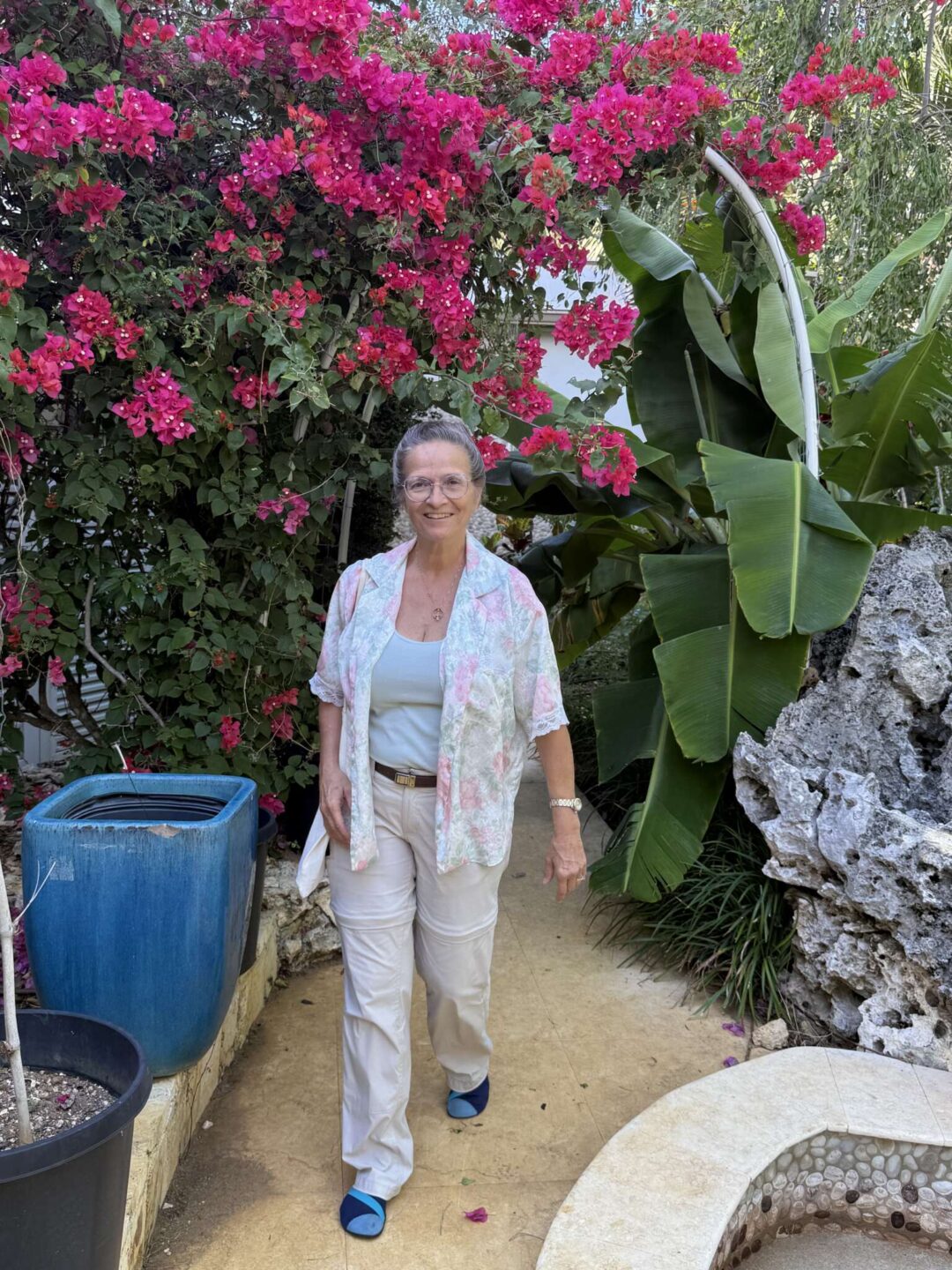
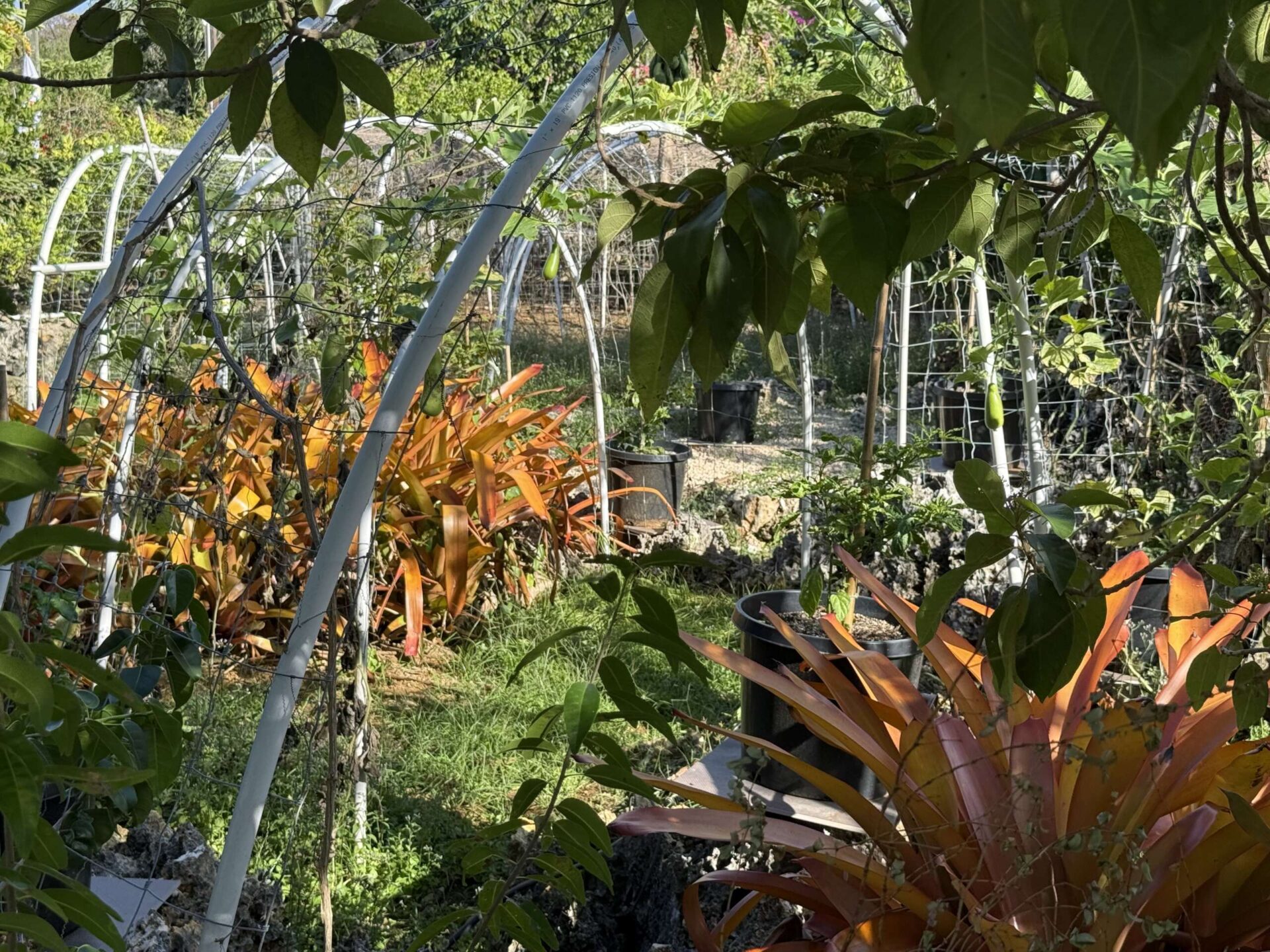
The farm, dense with native Cayman trees, tropical plants and landscaped pathways, produces fruit and vegetables sold to local supermarkets, with proceeds going to the charity.
Zappacosta says the camps are as much about “leadership and self-discovery” as horticulture. Children learn the business side of growing, food resiliency and selling produce as well as communication, etiquette, financial literacy and entrepreneurial skills. A recent music initiative, in an on-site studio, ran at Easter.
Clifton Hunter High School, which has sent students to The Island House for two consecutive summers, wrote in support of the programme.
In a letter provided to the Compass, the school said it had carefully selected around 10 of its “less fortunate Caymanian students” for the 2024 programme and observed positive changes in behaviour and motivation.
“They were now driven and many of them pursued interests that they discovered and that were nurtured during the leadership training,” the letter states.
The wedding
In Feb. 2025, Zappacosta allowed a young Caymanian couple to hold their wedding reception on the ocean-facing terrace of her residential property, a setting she says was offered free of charge.
“There was no contract. There was no agreed payment,” she said.
The couple confirmed in a letter submitted to the CPA that she “firmly refused any form of compensation”.
Days later, the Director of Planning issued an enforcement notice alleging unauthorised change of use from residential to commercial.
She appealed without legal representation. At the CPA hearing, she was told the neighbours were unhappy but never told what their concerns were.
“I still don’t know how they got to the definition of commercial,” she said.
The CPA dismissed her appeal in July 2025, finding she had “failed to provide sufficient evidence that this was not a commercial use” and stating that the event had caused “negative impacts upon the surrounding neighbourhood”.
She says no particulars of those impacts were ever provided to her. The Grand Court granted leave to judicially review that decision in Nov. 2025.
The originating application filed by Zappacosta’s attorney, now a public document, argues the CPA misdirected itself on the meaning of commercial activity and failed to give adequate reasons for its decisions.
It also raises questions about the independence of the appeal process.
The court filing notes that the enforcement notice as drafted was so broadly worded that holding a family party or working from home on the property would have constituted a criminal offence. It also records that at the hearing the CPA directed itself that “commercial also applies to events without money changing hands”.
The breakfast
The second enforcement notice arrived during the six-week Island House summer camp last July attended by 45 children.
Zappacosta said she served them breakfast and lunch in her back garden, on plastic chairs, at no charge.
The enforcement notice, issued 31 July 2025, alleged unauthorised change of use from residential to commercial use, specifically citing “Day Care/Summer Camp”.
Legal submissions filed on her behalf to the planning authority argue the camp itself took place on separate agricultural land not covered by the notice, and that the only activity on the residential parcel was the provision of free meals.
“There is no fee with this,” Zappacosta said. “There is nothing commercial about this.”
She says the effect of the notices, even while contested, has impacted her efforts to provide a service to young people. The Easter camp went ahead, and she relocated meals away from her backyard. The residential parcel and the large adjacent field and gazebo remained empty and unused.
“With a stop and enforcement notice, you can only use it absolutely as residential. I’m not sure what residential means. Can kids run around in a field and kick a ball? You’d think. But I didn’t want to risk that one,” she said.
Zappacosta’s attorney, Kate McClymont of Nelsons, said the case raised concerns beyond the enforcement notices themselves.
“One government department is pursuing a NPO’s programme that another is actively supporting and sponsoring,” she said. “That is a significant question that needs to be answered.”
She said the appeals process for enforcement notices was itself a source of concern.
“The decision maker for the enforcement notice is the Director of Planning, and there is no independence between the Planning Department and the CPA.
“They are essentially adjudicating on their own decision. Two different arms of the same administration are making the original decision and also deciding the appeal of it.”
The Planning Department said the matter was before the Central Planning Authority as an appeal against an enforcement notice and that it was unable to comment further on the specific facts or merits while the appeal remained ongoing.
It noted the hearing had been adjourned at the request of the appellant and that the stop notice remains in effect.
Related Videos