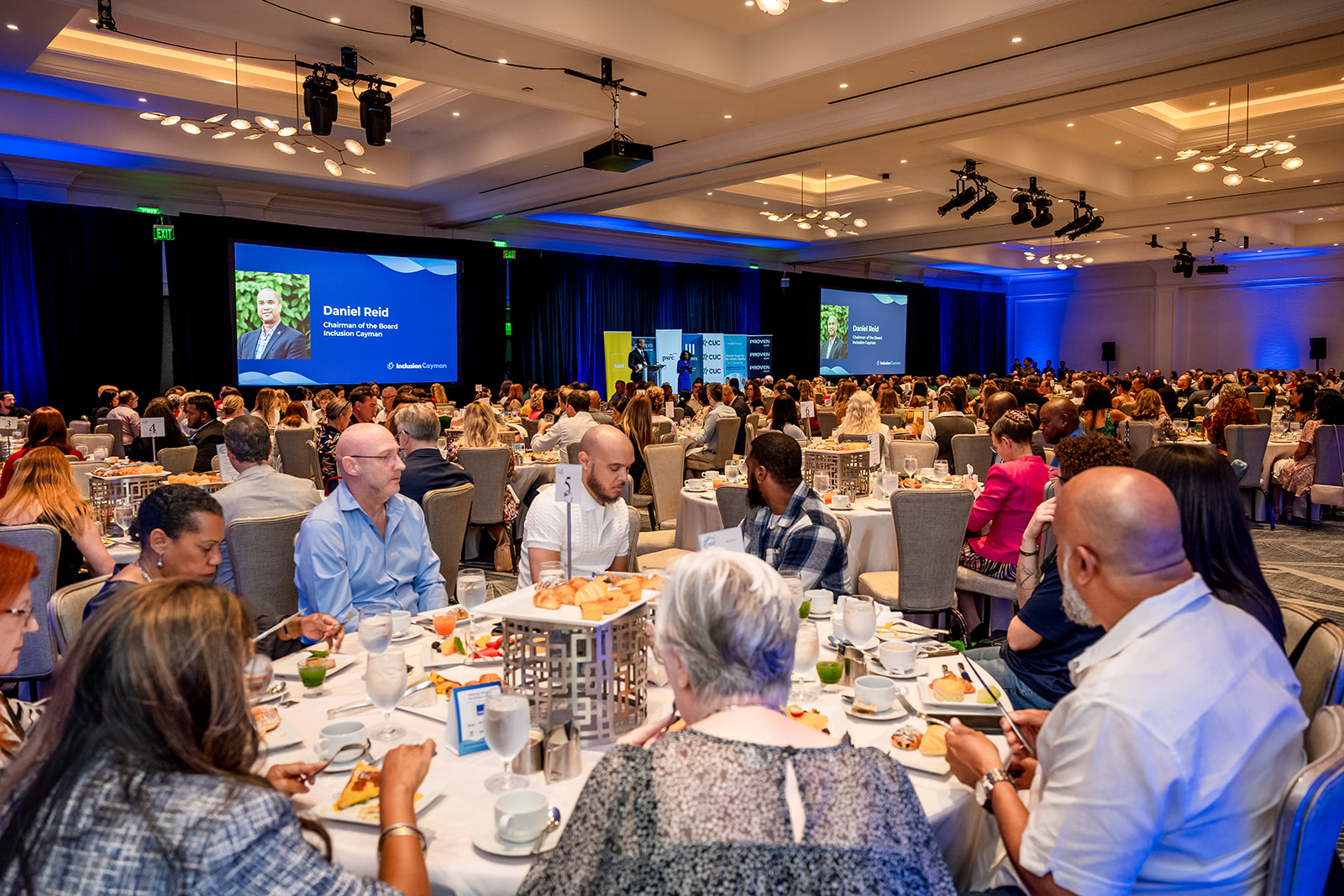
The boxes of tissues on every table offered an early indication of the tone of Inclusion Cayman’s eighth annual Making Waves Breakfast. As parents, employers and people with disabilities took to the stage to share their personal experiences, many audience members were visibly emotional, with some wiping away tears.
Held at The Ritz-Carlton, Grand Cayman on 11 June, the annual event brought together more than 400 supporters to hear deeply personal stories about the barriers families continue to face and the impact that advocacy and inclusion can have on changing lives.
Among the most powerful testimonies was that of Arieta Henry, a mother whose son, Liam, has autism spectrum disorder. She described years of assessments, financial strain and repeated rejection as she tried to secure an education for her child.
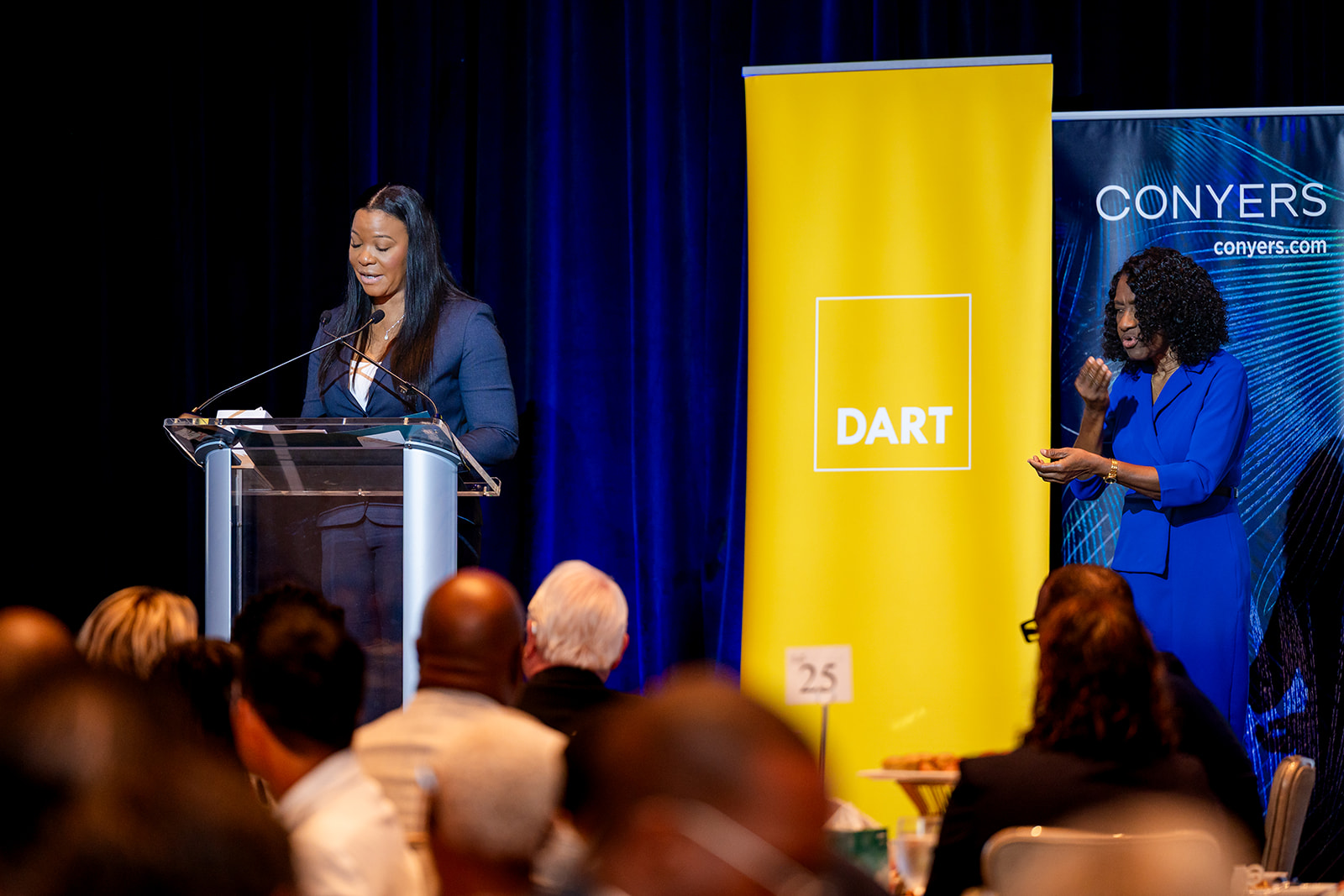
“There are moments when you become exhausted from constantly having to explain, educate and fight for opportunities that should be available to every child,” she told the audience.
She recalled schools turning her son away, including one occasion when they arrived on the first day only to be told by a principal that the school could not accommodate him.
“I remember sitting in my car, crying bitterly,” she said.
The experience, she said, left her questioning whether her son would ever have the same opportunities as other children.
“Education should not be a privilege to a few. It is a fundamental right for all,” she said.
Her story echoed one of the central messages of the morning. Many families in Cayman still face significant obstacles in accessing education, employment and community life for children and adults with disabilities.
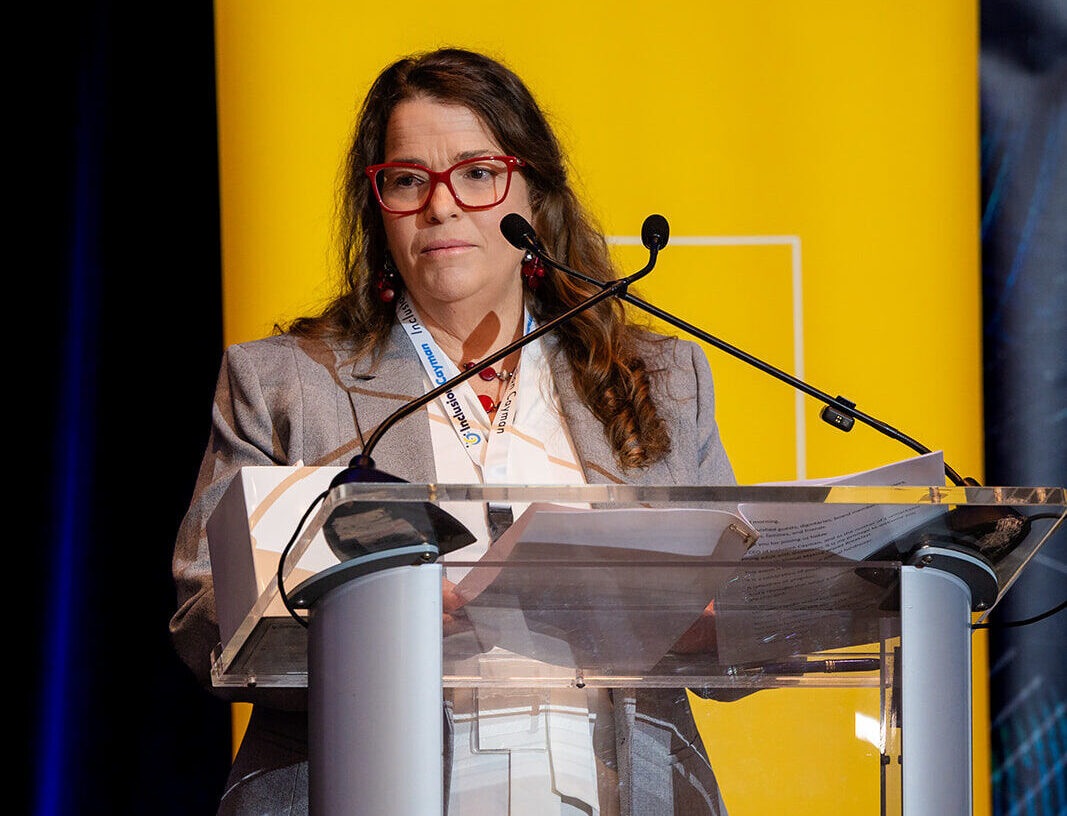
Inclusion Cayman CEO Shan Harriman, speaking both as the organisation’s leader and as the mother of Alexia, a young adult with disabilities, said every family wants more than possibilities.
Reflecting on her own daughter, she spoke candidly about the questions that keep many parents awake at night.
“What will happen to my daughter when I’m no longer here? Who will support them? Who will include them? Who will make sure they stay seen and valued?”
She stressed that inclusion is about far more than services.
“It’s about dignity. It’s about knowing that even when their parents are gone, their child is not alone,” she said.
The organisation also highlighted the breadth of its work over the past year, reporting that it supported 62 family units across its education, community and employment programmes, fielded 772 enquiries from people seeking guidance, engaged more than 1,500 participants through workshops and events, and added 35 individuals with developmental disabilities to its employment pathway, including six new job placements.
Employment success stories formed another emotional part of the programme.
Richard Taylor from Mike’s Ice described how employee Alec Cox had become a valued member of the team after receiving support through Inclusion Cayman, praising both his reliability and determination.
For Cox himself, having a job has brought more than a paycheque.
Because he is employed, he told the audience, he can help his parents with bills, pay for gas, maintain his car and enjoy simple pleasures like going to the movies.
His mother, Irene Scott-Hafey, described the struggle he faced finding work despite his practical abilities and determination.
“It took 10 months for him to find the right job,” she said, crediting Inclusion Cayman with helping create the opportunity that transformed his confidence and independence.
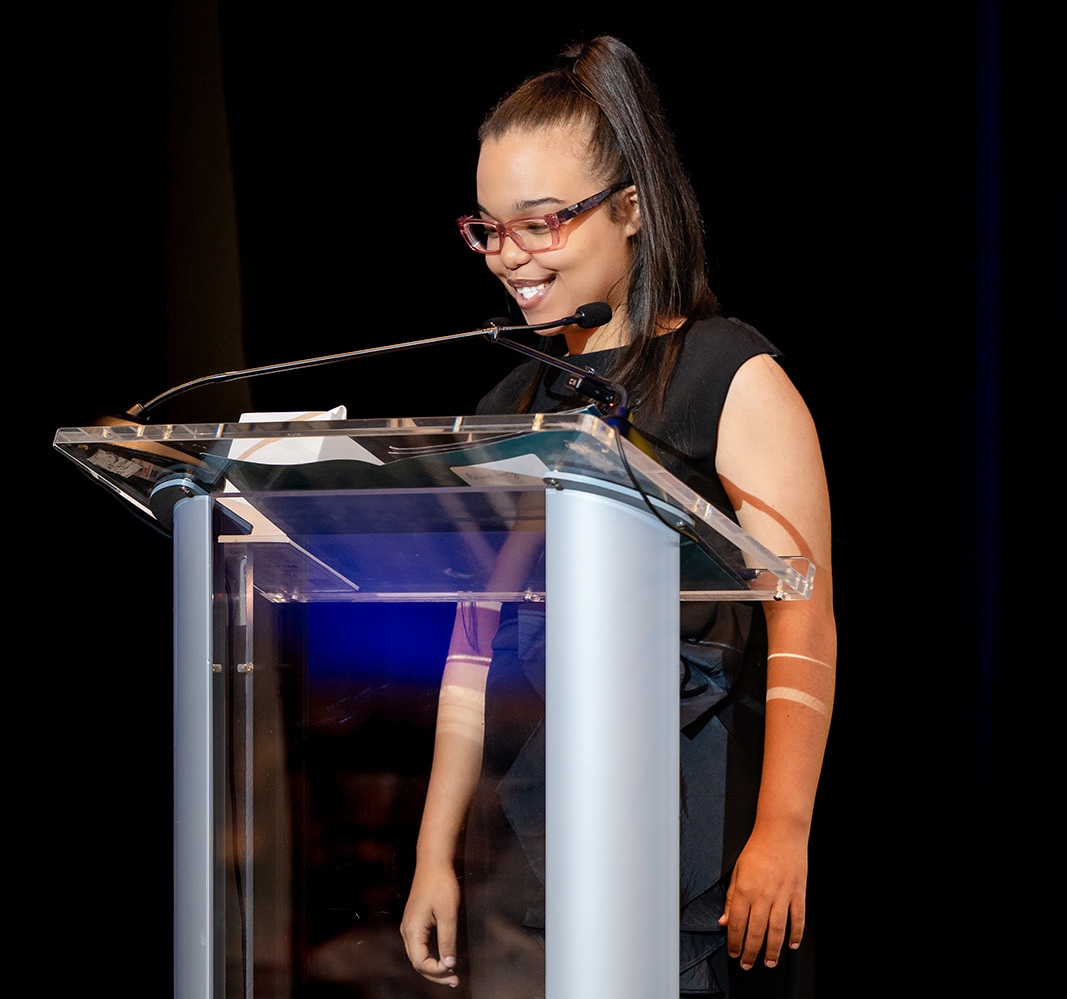
Another speaker, Tianna Hurlston, a former Inclusion Cayman beneficiary who now serves on Inclusion Cayman’s board while also working at Conyers, offered perhaps the morning’s most powerful appeal.
“Don’t just see me. Include me,” she said. “When you include me, you help me build my future.”
The breakfast concluded with an appeal for long-term ‘Dream Maker‘ donors to help sustain the organisation’s work and meet growing demand from families across the Cayman Islands.
Throughout the morning, however, the fundraising appeal often seemed secondary to the message repeated by speaker after speaker that disability inclusion is not about charity but about building a community where every person has the opportunity to belong, participate and thrive.
That sentiment was captured in Arieta Henry’s remarks: “I believe, together, we can build a community with inclusion in mind, where every child is valued, every family is supported, and every person has the opportunity to belong.”
Related Videos