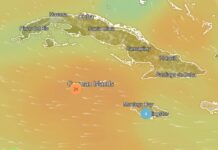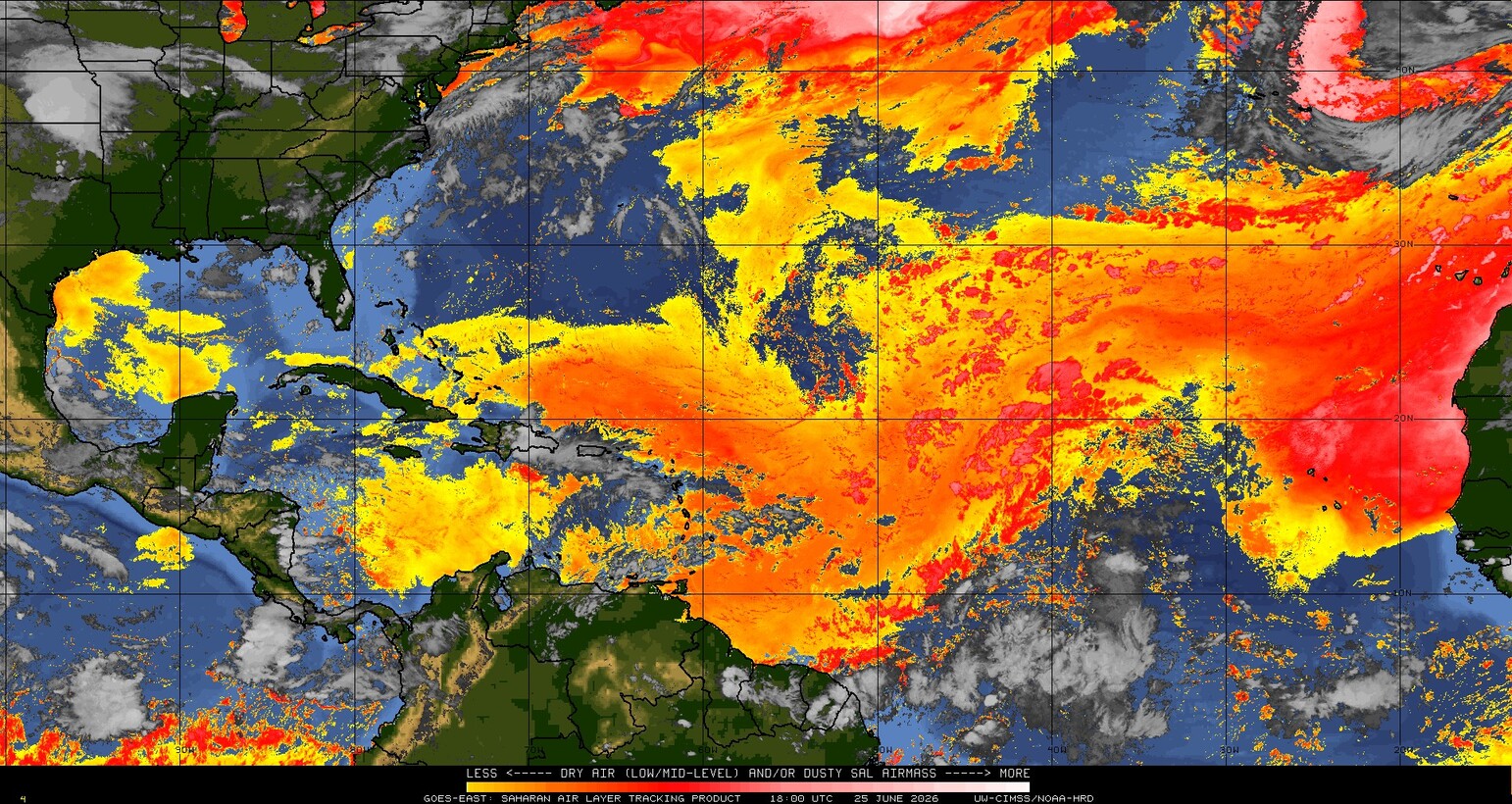
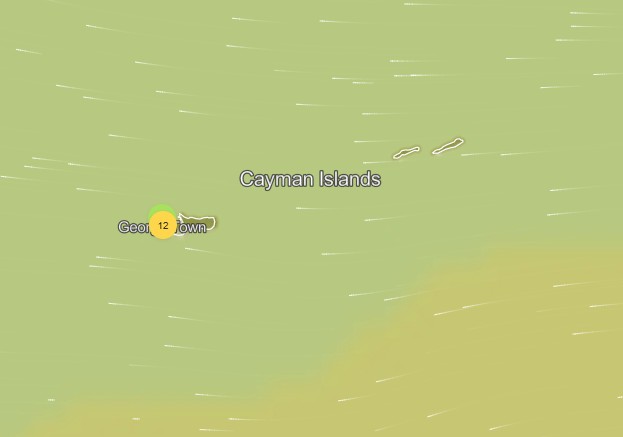
Residents are being urged to limit outdoor exposure this weekend after the Cayman Islands National Weather Service issued a dust alert from Friday, 26 June through Sunday, 28 June, warning that a plume of Saharan dust is expected to affect air quality across the Cayman Islands.
This is the second time this month that a Saharan dust alert has been issued in the Cayman Islands.
The Ministry of Health, Environment and Sustainability and the Public Health Department have issued a public health advisory, encouraging residents, particularly those with respiratory conditions, to take precautions as the dust cloud moves across the islands.
Saharan dust is a natural phenomenon that occurs every year when strong winds lift millions of tonnes of fine sand and mineral dust from the Sahara Desert in North Africa. The dust becomes trapped within the dry, warm Saharan Air Layer before travelling more than 5,000 miles across the Atlantic Ocean on the trade winds to the Caribbean.
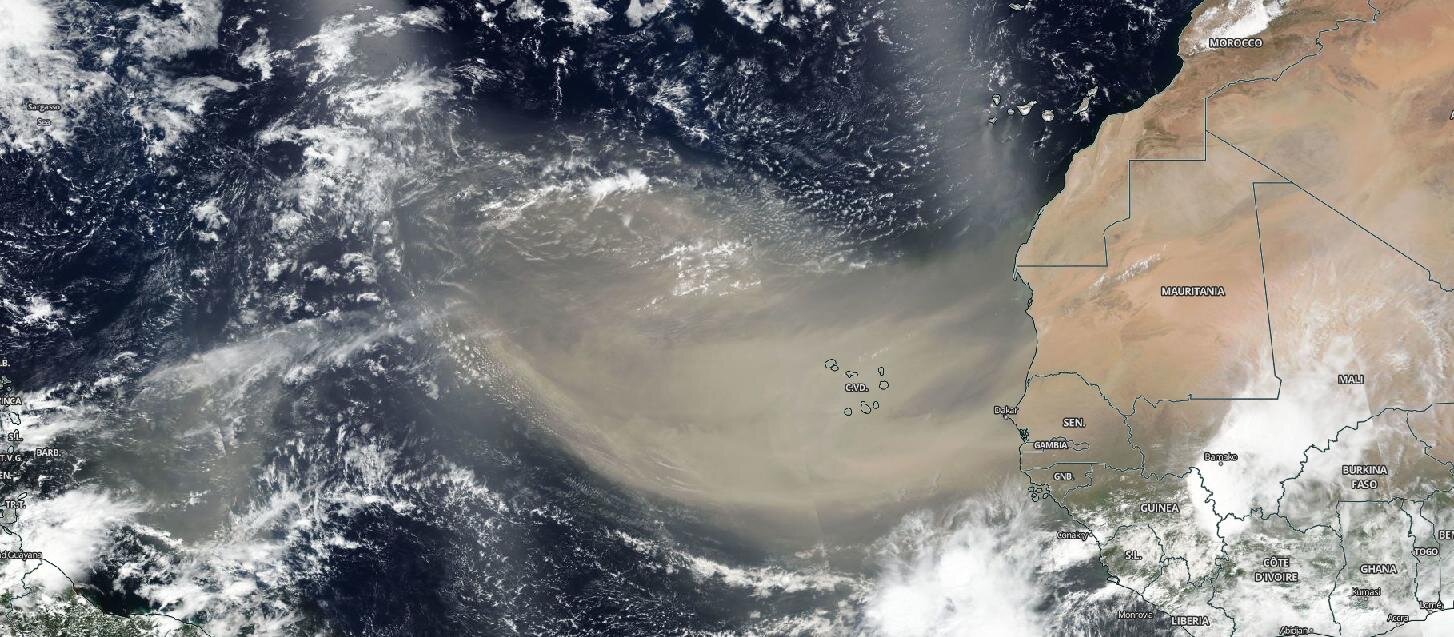
According to the Cayman Islands National Weather Service, the effects of the dust cloud are expected to begin on Friday and continue through Saturday, with hazy skies and reduced air quality likely during the event.
Acting chief medical officer Dr. Mark Paramlall said that while most healthy people will experience only mild irritation, certain groups face greater risks.
“Most people may experience only mild symptoms, but young children, older adults and persons with asthma or other chronic respiratory conditions are at increased risk,” he said.
He advised residents to limit time outdoors, keep doors and windows closed, ensure inhalers and medications are readily available, and contact a healthcare provider if respiratory symptoms worsen.
Medical Officer of Health Dr. Samuel Williams-Rodriguez noted that Saharan dust outbreaks are a familiar part of life in the Caribbean.
“Seasonal Saharan dust events are a normal occurrence in the Caribbean, and while they can be uncomfortable, the health effects are generally temporary and manageable,” he said.
“Simple measures such as reducing outdoor exposure, staying hydrated and following treatment plans for existing respiratory conditions can go a long way in protecting your health.”
The Ministry is also advising the public to use air conditioners on recirculation mode where possible, avoid rubbing irritated eyes, and monitor for symptoms including coughing, wheezing, sore throat and shortness of breath.
People living with asthma or other chronic respiratory illnesses are encouraged to remain indoors whenever possible, carry their reliever inhalers, and consider wearing a well-fitting face mask if they must be outside.
Schools and workplaces are also being encouraged to reduce outdoor activities such as sports and prolonged breaks while dust concentrations remain elevated.
Scientific research continues to show that airborne desert dust can affect respiratory health. Fine particles known as PM2.5 are small enough to penetrate deep into the lungs, where they can trigger inflammation and worsen asthma, chronic obstructive pulmonary disease and other respiratory illnesses.
Studies have also linked major Saharan dust events with increases in emergency department visits and hospital admissions for respiratory conditions, particularly among children, older adults and people with existing lung disease.
Despite the health concerns, Saharan dust also plays an important role in the Earth’s climate and ecosystems. The dust helps fertilise the Amazon rainforest and Atlantic Ocean with nutrients such as iron and phosphorus, while the dry Saharan Air Layer can sometimes suppress tropical cyclone development by introducing dry air and increasing wind shear over the tropical Atlantic.
Residents can also expect some of the more visible effects of the dust plume, including milky or hazy skies, brilliant orange and red sunsets, reduced visibility and a fine layer of dust settling on vehicles and outdoor surfaces.
The Ministry of Health, Environment and Sustainability and the Public Health Department said they will continue working closely with the Cayman Islands National Weather Service to monitor conditions and issue further updates if necessary.
Residents requiring additional health guidance may contact the Public Health Department on 244-2889 or 244-2621.
Related Videos