By Eustache Placide
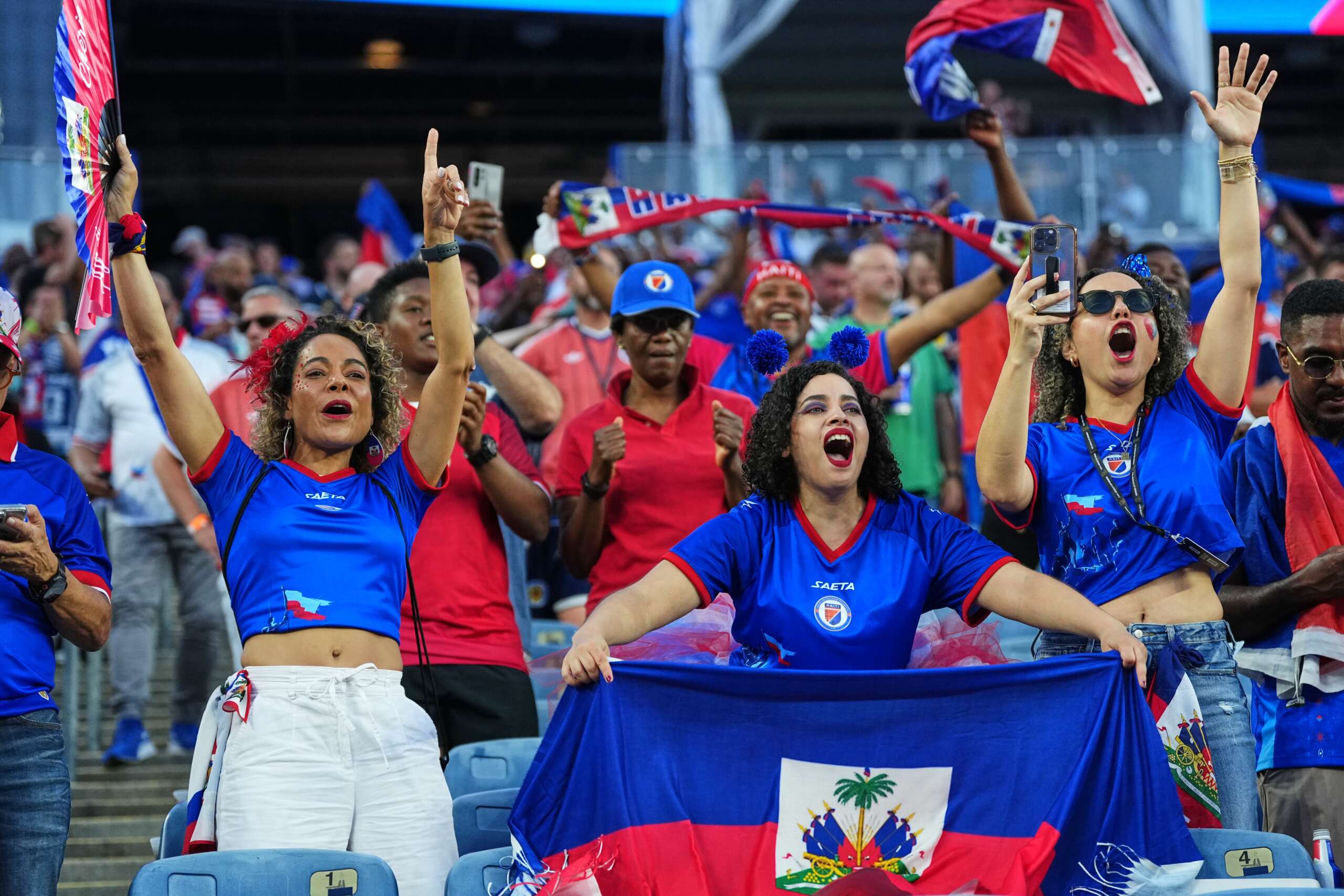
Now that Haiti’s World Cup campaign has come to an end, one aspect of its journey deserves far greater attention than it has received amid the excitement, disappointment and emotion of the past two weeks.
Many supporters celebrated Haiti’s return to the FIFA World Cup. Few seemed aware that Haiti had quietly made history once again.
In an era when discussions about Haiti are too often dominated by crisis, instability and hardship, one remarkable fact deserves greater recognition: Haiti remains the only Caribbean nation to have qualified for the men’s FIFA World Cup twice.
That achievement alone should change how we talk about Haiti’s place in Caribbean football history.
Much of the recent conversation has focused on Haiti’s performances against Scotland, Brazil and Morocco. There have been debates about refereeing decisions, tactical decisions, missed opportunities and the challenges of competing against some of the world’s strongest football nations.
Haiti ultimately left the tournament without a point, yet its final match against Morocco also saw Les Grenadiers score their first FIFA World Cup goals since Emmanuel Sanon’s memorable strikes in West Germany in 1974.
Yet those conversations risk obscuring a larger truth.
Long before the current generation of players took the field, Haiti was already accomplishing things that no other Caribbean nation had achieved.
In 1973, Haiti won the CONCACAF Championship, becoming the first Caribbean nation to claim the region’s premier men’s football title. That triumph secured qualification for the 1974 FIFA World Cup in West Germany and established Haiti as a football pioneer for the entire region.
More than half a century later, that achievement remains unique.
Jamaica reached the World Cup in 1998. Trinidad and Tobago qualified in 2006. Cuba appeared in the tournament in 1938. Curaçao qualified for the first time this year. Other Caribbean nations have come close. Some have produced outstanding players and memorable teams.
But only Haiti has managed to return – that fact deserves reflection.
Football is the world’s most popular sport, yet qualifying for the World Cup remains one of its most difficult accomplishments. For small nations, the challenge is even greater. Limited resources, smaller talent pools and infrastructure constraints create obstacles that larger football nations rarely encounter.
The Caribbean understands those challenges better than most. That is what makes Haiti’s achievement so significant.
Over the past five decades, Haiti has faced political instability, economic hardship and devastating natural disasters. Entire generations have grown up amid circumstances that would have crippled the sporting ambitions of many nations. Yet through all of those challenges, Haitian football has continued to produce talented players, passionate supporters and moments of genuine international achievement that have inspired generations.
For Haitians living abroad, including the many who have made the Cayman Islands their home, that achievement carries a special meaning.
The Haitian community is one of the most established expatriate communities in Cayman. For decades, Haitians have contributed to the growth and development of these islands while maintaining deep cultural and emotional ties to their homeland.
During the World Cup, those ties became visible in living rooms, restaurants and community gatherings where supporters followed Haiti’s journey with pride, hope and, at times, frustration.
The reactions to Scotland, Brazil and Morocco reflected those emotions. Supporters celebrated moments of promise, debated missed opportunities and reflected on what the tournament revealed about the team’s progress. Yet regardless of the results, Haiti’s place in Caribbean football history remained unchanged.
If anything, this World Cup has served as a reminder of just how extraordinary that history is.
Too often, Caribbean football conversations focus exclusively on potential. We speak about what the region could achieve, what the next generation might accomplish or which nation may eventually break through on the world stage.
Haiti’s story is different. It is not a story about potential. It is a story about achievement.
The record books already show what Haiti has done. The country became the first Caribbean nation to win the CONCACAF Championship. It represented the region at the 1974 FIFA World Cup. More than fifty years later, it became the first Caribbean nation to qualify for the men’s World Cup a second time.
Those are not aspirations. They are accomplishments.
Now that the tournament has ended for Haiti, attention will inevitably turn to what comes next. There will be analysis of tactics, coaching decisions and areas for improvement.
Those conversations are necessary. But they should not overshadow the broader significance of what Haiti has already achieved.
History often becomes easier to appreciate with time.
Perhaps years from now, when supporters look back on Haiti’s return to the World Cup, they will remember more than individual matches and controversial moments. Perhaps they will recognise that they were witnessing another chapter in one of the most remarkable stories in Caribbean sporting history.
The matches will eventually fade into memory. The history will endure.
Haiti did not advance beyond the group stage. It lost all three matches. Yet history is not written only by results. Sometimes it is written by milestones that redefine what is possible.
Fifty-two years after inspiring a region by reaching the 1974 World Cup, Haiti returned to football’s biggest stage, scored its first World Cup goals since that historic appearance, and reminded the Caribbean that no other Caribbean men’s team has matched its record of qualifying for the FIFA World Cup twice.
Results may shape tournaments. History shapes legacies. Until another Caribbean nation qualifies for the FIFA World Cup twice, Haiti remains the benchmark by which Caribbean men’s football is measured.
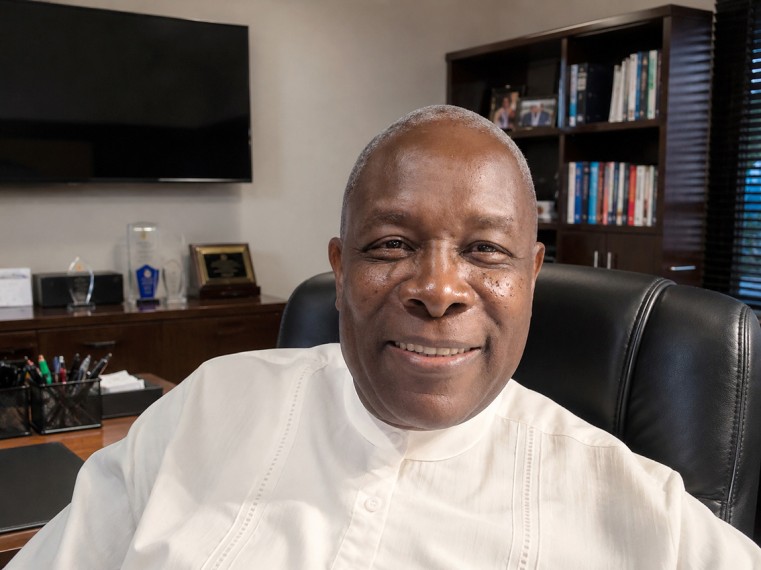
Eustache Placide is a professor of computer science and artificial intelligence, with a focus on the impact of artificial intelligence on society and the workforce. The views and ideas expressed in this article are solely those of the author and do not necessarily represent the positions or policies of University College of the Cayman Islands.
Related Videos