By Eustache Placide
The conversations sounded different this week.
I watched Haiti’s match against Brazil on Friday with family and friends at home in the Cayman Islands, and I was struck by how much the mood had changed since the team’s opening match against Scotland.
Days earlier, discussions had been dominated by frustration over controversial decisions, missed opportunities and a lingering sense that Haiti deserved more from its World Cup debut. By the time Brazil took the field, however, the emotions felt different.
The disappointment remained, but perspective had begun to replace anger. That shift tells an important story about Haiti’s World Cup campaign.
Following the Scotland match, many supporters focused on what had happened to Haiti. The debate centred on disputed penalty appeals, VAR decisions and the feeling that circumstances beyond the team’s control had influenced the outcome. Those conversations took place across social media, in homes throughout the Haitian diaspora and among supporters gathered at venues such as Mango Tree Restaurant in Grand Cayman. After Brazil, the conversation changed.
Brazil arrived at the tournament as one of football’s traditional powers, carrying generations of success, investment and experience. Haiti arrived carrying the hopes of a nation and a diaspora that had waited decades to see its flag represented once again on football’s biggest stage.
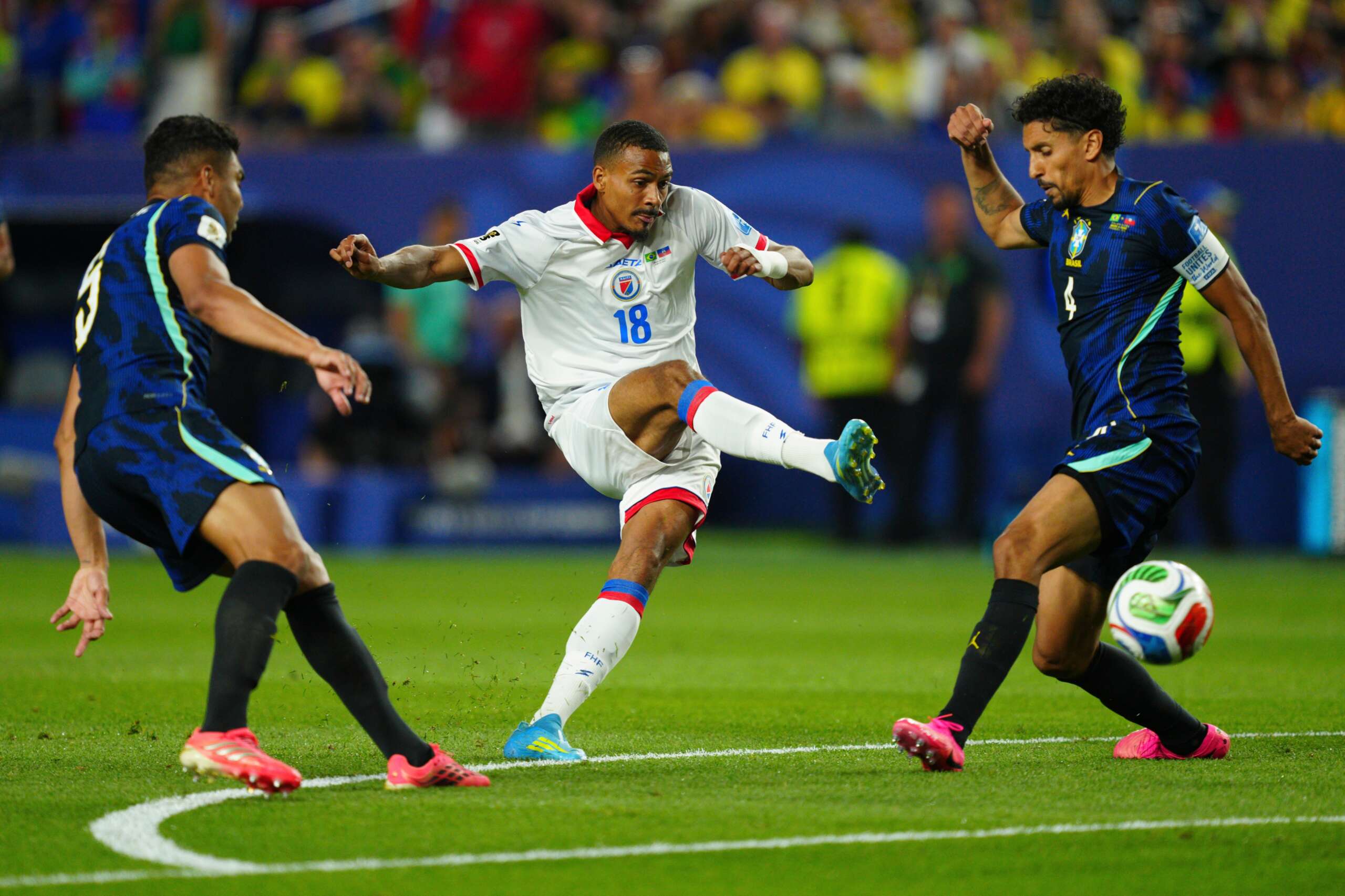
The difference between the two teams was evident, and the 3-0 scoreline reflected the challenge of facing one of the world’s strongest football nations. Yet, reducing the match to the final score misses the larger lesson.
For Haiti, the challenge against Brazil was not simply tactical or technical. The team entered the match carrying the emotional weight of the defeat to Scotland and the disappointment that followed. Recovering mentally from a difficult result is one of the least discussed aspects of tournament football, but it is often one of the most important.
The strongest teams are not defined solely by how they perform when things are going well. They are also defined by how they respond when adversity threatens to derail them.
That is why the Brazil match represented more than another fixture on the schedule. It was a test of character.
“After Scotland, we were angry. After Brazil, I think most of us understood how much work Haiti still has to do, but we’re still proud of the team,” said Jay, a Haitian supporter who followed both matches from the Cayman Islands.
His comments capture a reality that many supporters came to recognise.
Scotland left people asking what might have been. Brazil forced them to confront what is.
There is a significant gap between emerging football nations and the world’s established powers, and closing that gap requires more than passion and determination. It requires experience, investment, development and patience.
Yves Fontaine, another supporter following Haiti’s World Cup journey from Cayman, believes the focus should remain on supporting the team despite the setbacks.
“We lost a match, not a victory,” Fontaine said. “I don’t mind losing a match, but I want to see it decided fairly. Let’s continue to support our national team. That’s all we have.”
His words reflect a sentiment shared by many supporters who remain disappointed with aspects of Haiti’s tournament experience, but refuse to let those disappointments overshadow the significance of this moment.
For many Haitians, both at home and throughout the diaspora, this World Cup has always been about more than results. It has been about visibility, representation and the opportunity to see Haiti compete on a stage that captures the world’s attention.
That does not mean supporters are satisfied with defeat. It means they understand that meaningful progress is rarely linear. Success is often built through difficult lessons, painful setbacks and experiences that expose both strengths and shortcomings.
In many respects, the emotional journey of supporters has mirrored that of the team itself.
The opening match generated excitement and optimism. The defeat to Scotland produced frustration and debate. The loss to Brazil encouraged reflection. Together, those experiences have created a clearer understanding of what competing at this level demands and what Haiti must do if it hopes to return stronger in the years ahead.
While Brazil deservedly claimed the victory, Haiti’s World Cup story remains unfinished. The lessons learned from Scotland and Brazil may ultimately prove more valuable than either result if they contribute to the continued development of Haitian football and strengthen the foundation for future generations. The scorelines will eventually fade from memory. The conversations that followed may not.
For supporters in the Cayman Islands, the anger that followed Scotland has given way to a more difficult but necessary discussion about development, preparation and the future of Haitian football. The focus is no longer on what might have been. It is on what comes next.
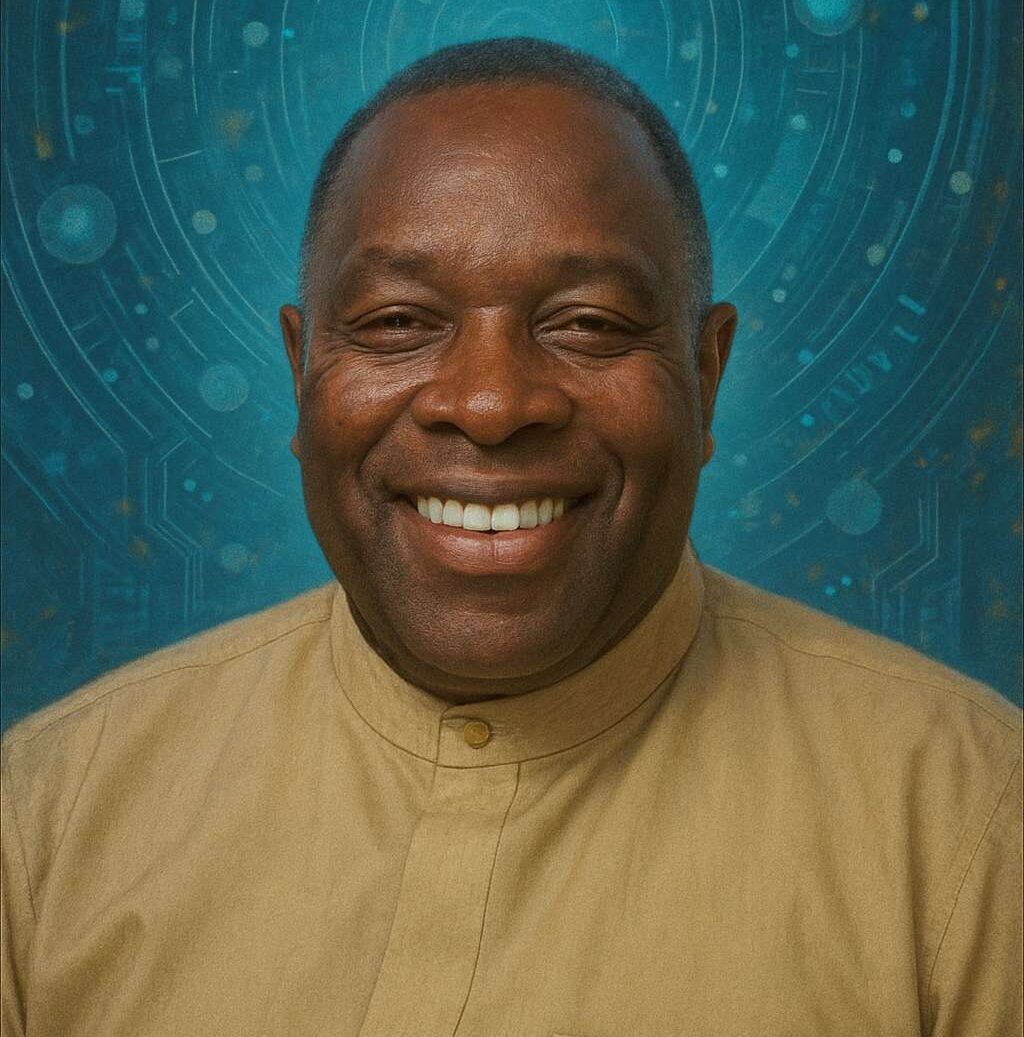
Eustache Placide is a professor of computer science and artificial intelligence, with a focus on the impact of artificial intelligence on society and the workforce. The views and ideas expressed in this article are solely those of the author and do not necessarily represent the positions or policies of University College of the Cayman Islands.
Related Videos