By Eustache Placide
On the streets of Port-au-Prince, in neighbourhoods across New York, Atlanta, Miami and Montreal, and within Haitian communities throughout the Caribbean, a familiar sound echoed following Haiti’s historic qualification for the 2026 FIFA World Cup: celebration.
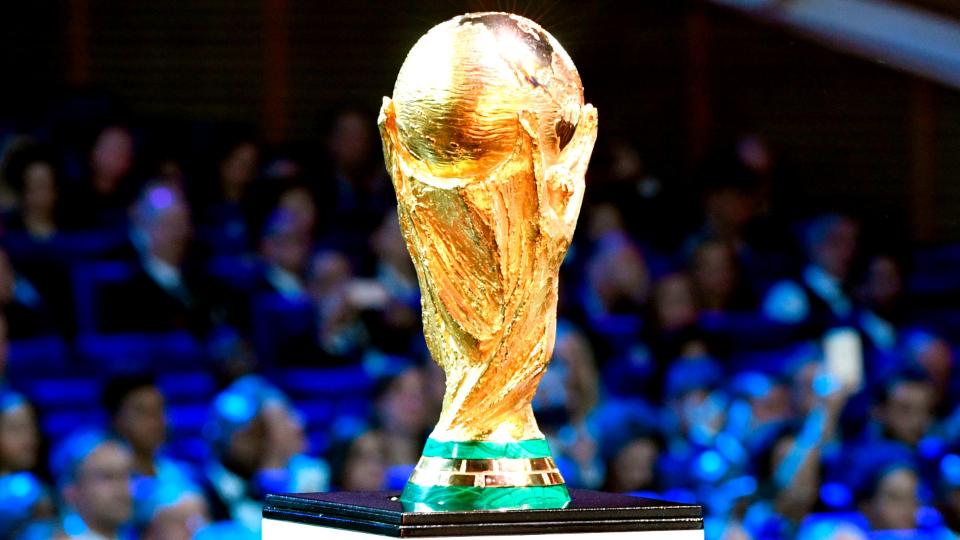
For the first time since 1974, Haiti will compete on football’s biggest stage, marking a milestone that has ignited pride and excitement among Haitians worldwide. For a nation whose global story is too often framed through challenges and adversity, World Cup qualification offers something different – a moment of achievement, unity and hope.
But for many Haitians, this is about far more than football. It is about identity. It is about belonging. And it is about seeing the blue and red flags represented among the world’s sporting elite.
The significance of the achievement extends far beyond Haiti’s borders. Millions of Haitians live abroad, maintaining strong cultural, family and emotional ties to their homeland. From North America to Europe and throughout the Caribbean, the Haitian diaspora has embraced the qualification as a shared victory.
Here in the Cayman Islands, that sense of pride is equally evident.
As Haiti’s qualification campaign unfolded, many residents of Haitian heritage followed every match, every goal and every result. Now that a place in the World Cup is secured, anticipation is building for the tournament itself.
“For many of us, this is about much more than football,” said Marcaisse Oscar, a Cayman resident of Haitian heritage. “When you see Haiti qualify for the World Cup, you feel proud not only of the team but of the country itself. It reminds us of what Haitians can achieve when given an opportunity to shine.”
The qualification has also generated excitement among younger generations who will witness Haiti compete in the World Cup for the first time in their lives.
“My children have heard stories about Haiti and its football history, but now they get to experience it for themselves,” said Marie Beliard. “Watching Haiti compete on the world’s biggest stage is something our family will never forget.”
Their sentiments reflect those of many Haitians across the diaspora. While separated by geography, communities around the world remain connected by culture, language, heritage and a common sense of pride in their homeland.
Haiti’s achievement is also a significant moment for Caribbean football.
World Cup appearances by Caribbean nations remain relatively rare, making each qualification a source of regional pride. Haiti’s return to the tournament demonstrates the talent across the Caribbean and provides an opportunity for the region to be represented before a global audience.
The qualification has also prompted conversations about how Caribbean teams are recognised and celebrated. Some supporters have expressed a desire to see greater visibility for Haiti’s journey, particularly given the significance of having one of the region’s representatives competing on football’s biggest stage.
Locally, some fans have questioned whether Haiti’s matches have received the attention they deserve through public screenings and promotional activities. While scheduling and programming decisions may play a role, many supporters hope Haiti’s participation will inspire broader community engagement and celebration as the tournament approaches.
Ultimately, however, the significance of this moment extends beyond where the matches are shown.
It is found in family gatherings, community celebrations and conversations taking place in homes across Haiti and throughout the diaspora. It is reflected in parents sharing stories with their children and in young people discovering a new way to connect with their heritage.
For ninety minutes, the world may see eleven players wearing Haiti’s colours.
But for Haitians everywhere, those players will carry the pride, aspirations and dreams of a people whose presence extends far beyond the borders of their homeland.
That is why this moment is about more than football. It is about a nation and its diaspora standing together on the world stage.
Eustache Placide is a professor of computer science and artificial intelligence at the University College of the Cayman Islands. The views and ideas expressed in this article are solely those of the author and do not necessarily represent the positions or policies of UCCI.
Related Videos