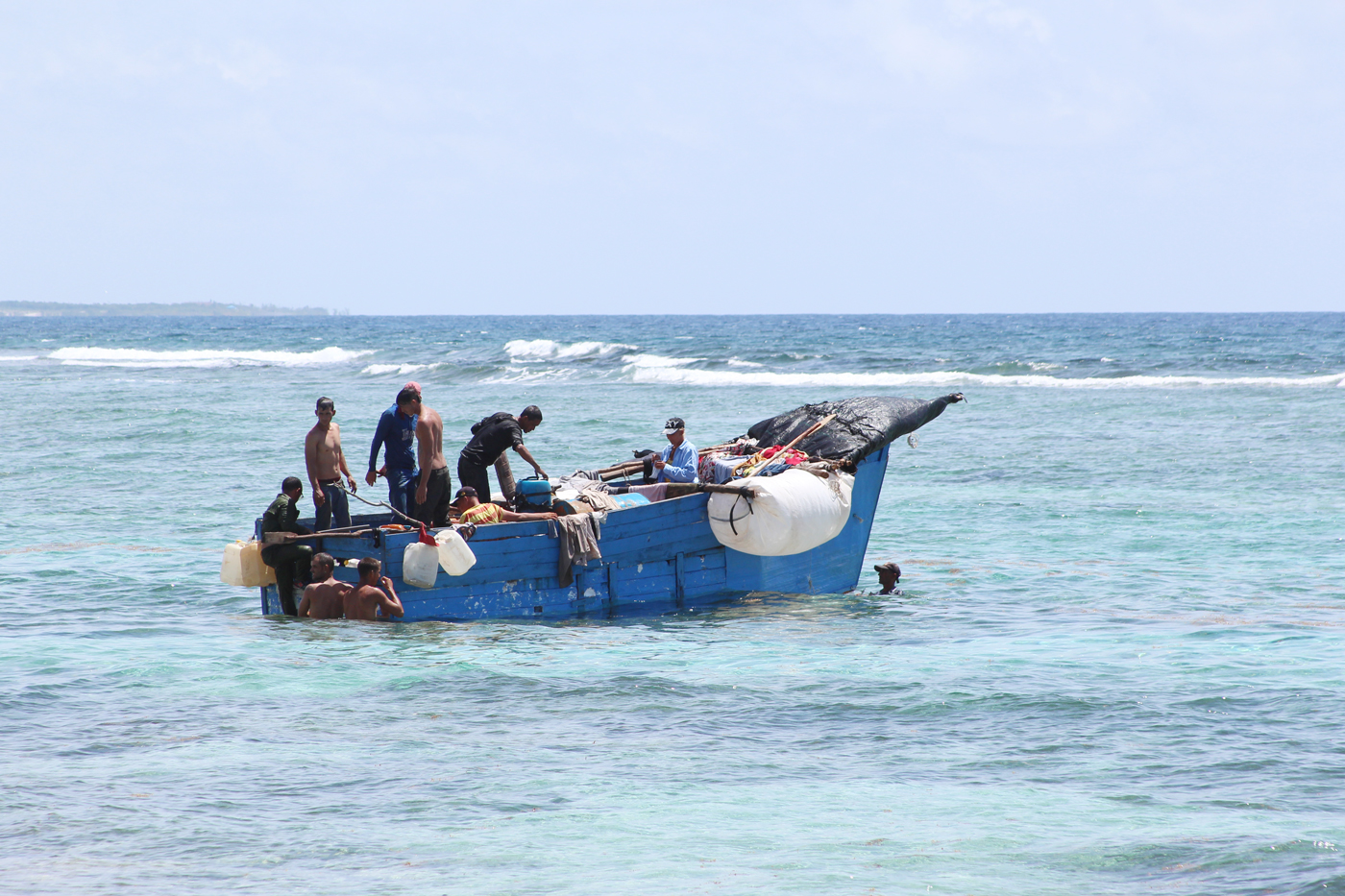
With the possibility of a mass migration from Cuba, and perhaps Haiti, officials in Cayman say there will likely be a need for additional interpreters to help deal with asylum processing.
Cuba is facing economic fallout following US activities in Venezuela, which is the island nation’s main supplier of oil and financial assistance, while, in Haiti, there has been an escalation of gang violence amid ongoing political instability.
Deputy Governor Franz Manderson, speaking on Compass TV’s Forefront on 22 Jan., echoed comments made by earlier guests Governor Jane Owen and Commissioner of Police Kurt Walton about Cayman preparing for a potential influx of migrants.
Historically, a rise in arrivals into Cayman of what border-control authorities call “irregular migrants”, especially from Cuba, has corresponded with escalating financial hardship and political tensions there.
“It can be very difficult to stop a large influx of migrants,” Manderson said, “but we can be prepared.”
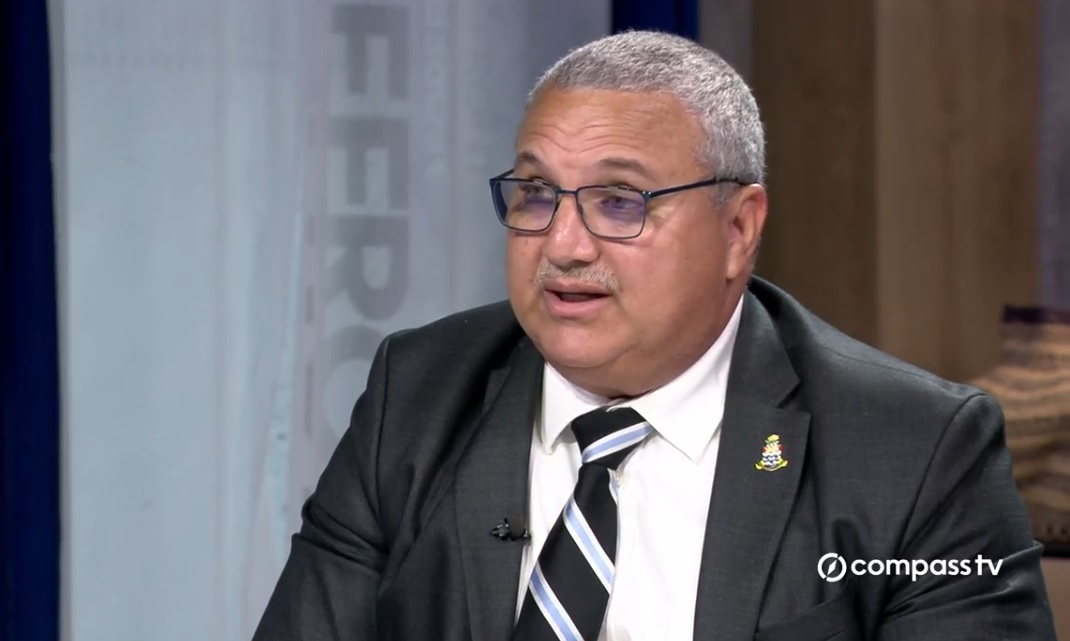
Among those preparations is the recognition of a need to ensure Spanish-language translators are available to interpret for migrants who will need to be interviewed if they apply for asylum.
“If there’s 1,183 people [like was seen during the 1994 migration crisis], you can’t just have two interpreters, Manderson said.
“So, what we are doing now is a survey across the Civil Service to see how many Spanish people do we have, that we can redeploy for a few weeks to be translators,” he said.
Governor Owen also raised the issue at the Cayman Islands Chamber of Commerce Economic Forum on Friday, 23 Jan., where she was among the speakers.
During her speech, she gave some ideas on how the private sector could work with government on maintaining Cayman’s security, noting that this is a vital part of the islands’ economic success, and highlighting that there is a possibility of an increase in migration from Cuba.
“We have been focusing in the short term on what on Earth are we are going to do if we end up in a real serious refugee crisis from Cuba,” she said. “We may come to ask some of you, Spanish speakers, how could you help? … Please do have a think about that.”
Mass Migration Committee meets
Manderson, on Forefront, noted that it’s not only Cubans that may come to Cayman in large numbers, but also possibly migrants from Haiti, where there has been an escalation of gang violence amid ongoing political instability, adding that Jamaica was already seeing Haitians arriving there. Hence, interpreters who can speak Haitian Creole or French would also be needed.
Manderson said Cayman and Jamaica were sharing intelligence regarding migration.
A so-called ‘Mass Migration Committee’, set up several years ago to deal with, at the time, increasing number of arrivals on island, has reconvened. That is a multi-agency committee, which includes, among others, police, Customs and Border Control, the Coast Guard, the Health Services Authority and the Cayman Islands Regiment.
A meeting of the committee, held last week, was attended by the governor and Home Affairs Minister Nickolas DaCosta.
Manderson noted that the committee was looking at what Cayman’s current capacity for dealing with incoming migrants is, and how that capacity can be increased.
Lessons learned from previous influxes
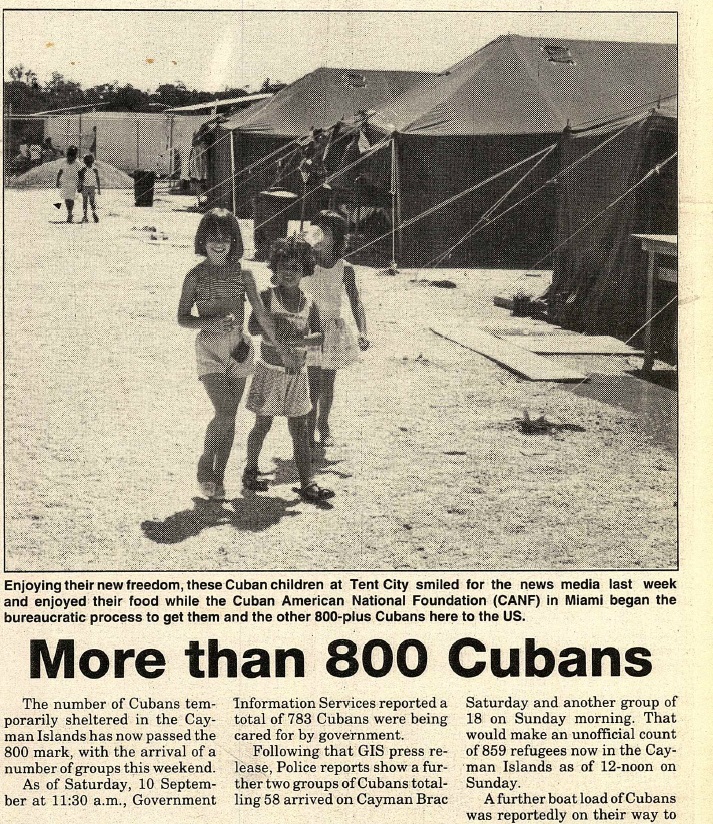
Manderson, who, before becoming deputy governor, headed up the immigration service, worked as an immigration officer at the height of Cuban migration into Cayman in the summer of 1994. Back then, nearly 1,200 migrants arrived in Cayman over a few weeks, as part of a mass exodus during the so-called ‘Balsero crisis’.
So many arrived, that Cayman set up a ‘Tent City’, located near where the current immigration detention centre exists in Fairbanks, George Town.
Over the years, the numbers coming to Cayman from Cuba have fluctuated significantly. The most recent influx was seen in 2022, and by January the following year, there were 385 Cubans in Cayman seeking asylum. Changes to legislation in Cayman, made in late 2022, made the deportation of Cuban migrants back to Havana a far speedier process than it had previously been.
Preparing for a marked increase in migration is vital to ensure that, if it does occur, Cayman does not see a repeat of what happened in 1994 when, Manderson told Sulliman, “We were not prepared.”
“We had a little detention centre that held 20 people or so. We ended up with 1,183,” he said. “So, the lessons from there are, be prepared and have a plan in place.”
Related Videos