

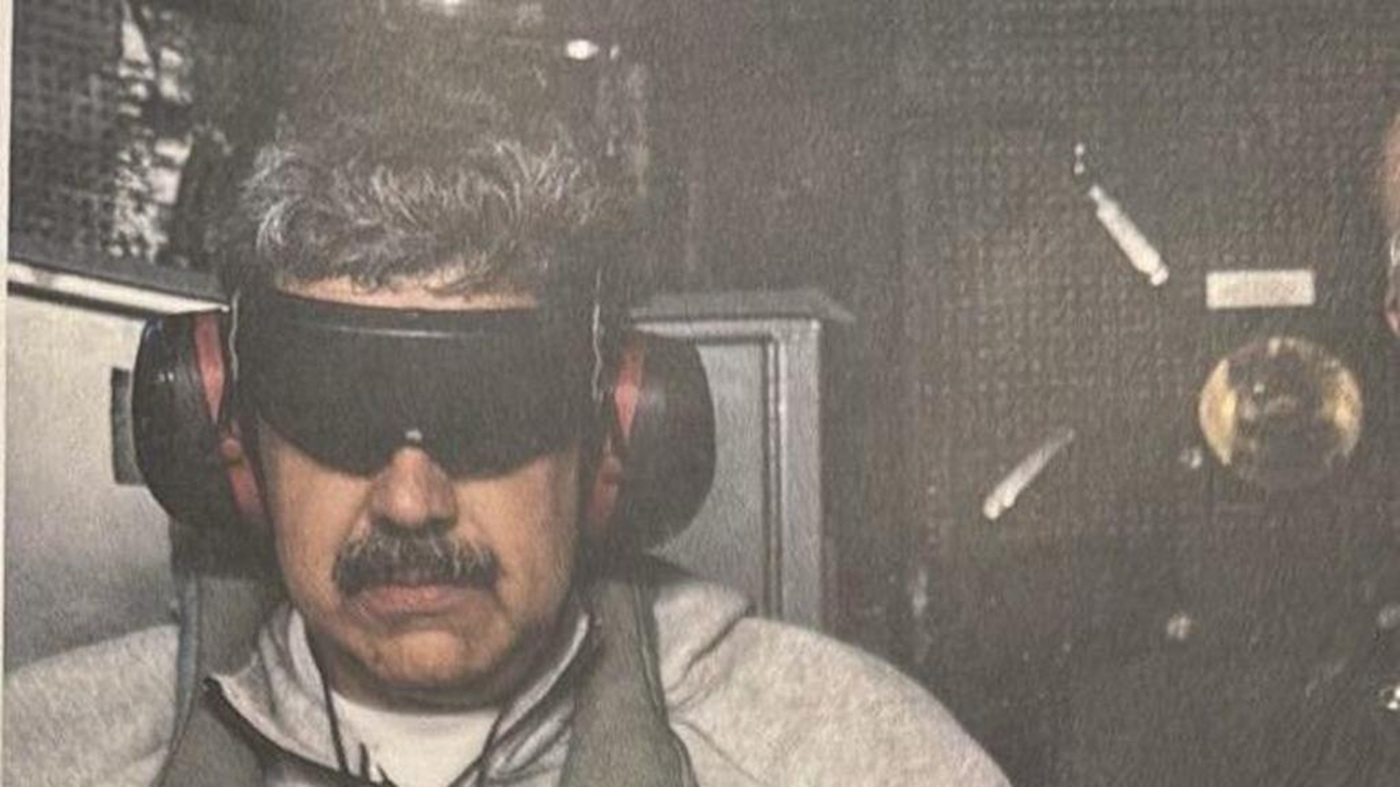
The United States carried out a rapid military operation against Venezuela early Saturday, 3 Jan., capturing President Nicolás Maduro and his wife, Cilia Flores, and removing them from the country to face narco-terrorism charges in New York, according to US officials.
The operation marked the climax of an escalating pressure campaign by the Trump administration that in recent months included strikes on vessels accused of smuggling drugs to the United States.
Lasting less than 30 minutes, the operation reverberated across Latin America and the Caribbean, prompting urgent diplomatic consultations, heightened security alerts and divided statements from governments across the region.
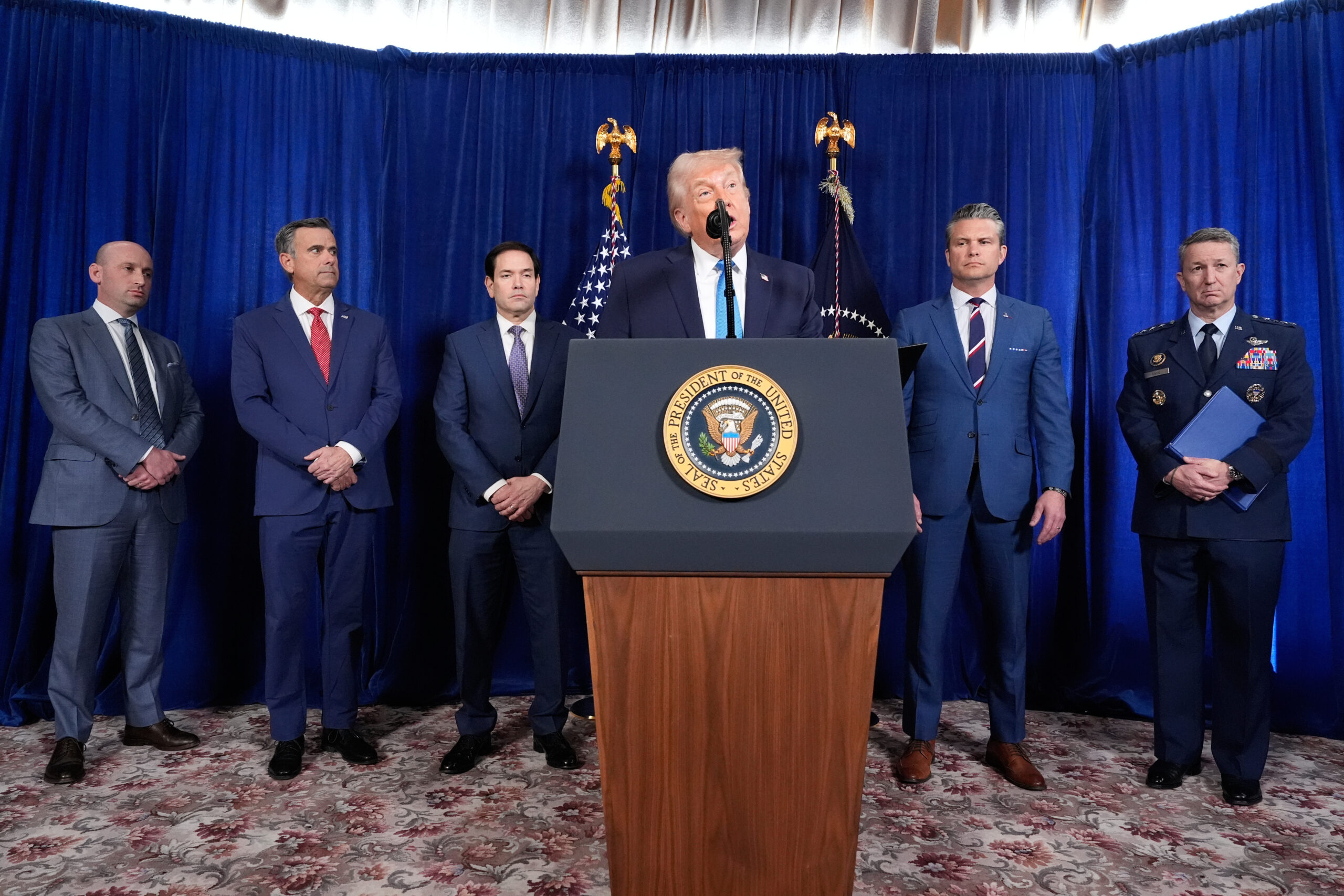
Speaking at a press conference at his Mar-a-Lago residence at 11am Cayman time Saturday, US President Donald Trump said Maduro and Flores were aboard a US warship on their way to the United States. They were brought to New York, where they are scheduled to appear before a court in Manhattan on Monday.
General Dan Caine, chairman of the Joint Chiefs of Staff, said at the press briefing that Operation Absolute Resolve involved around 150 aircraft deployed across the Western Hemisphere.
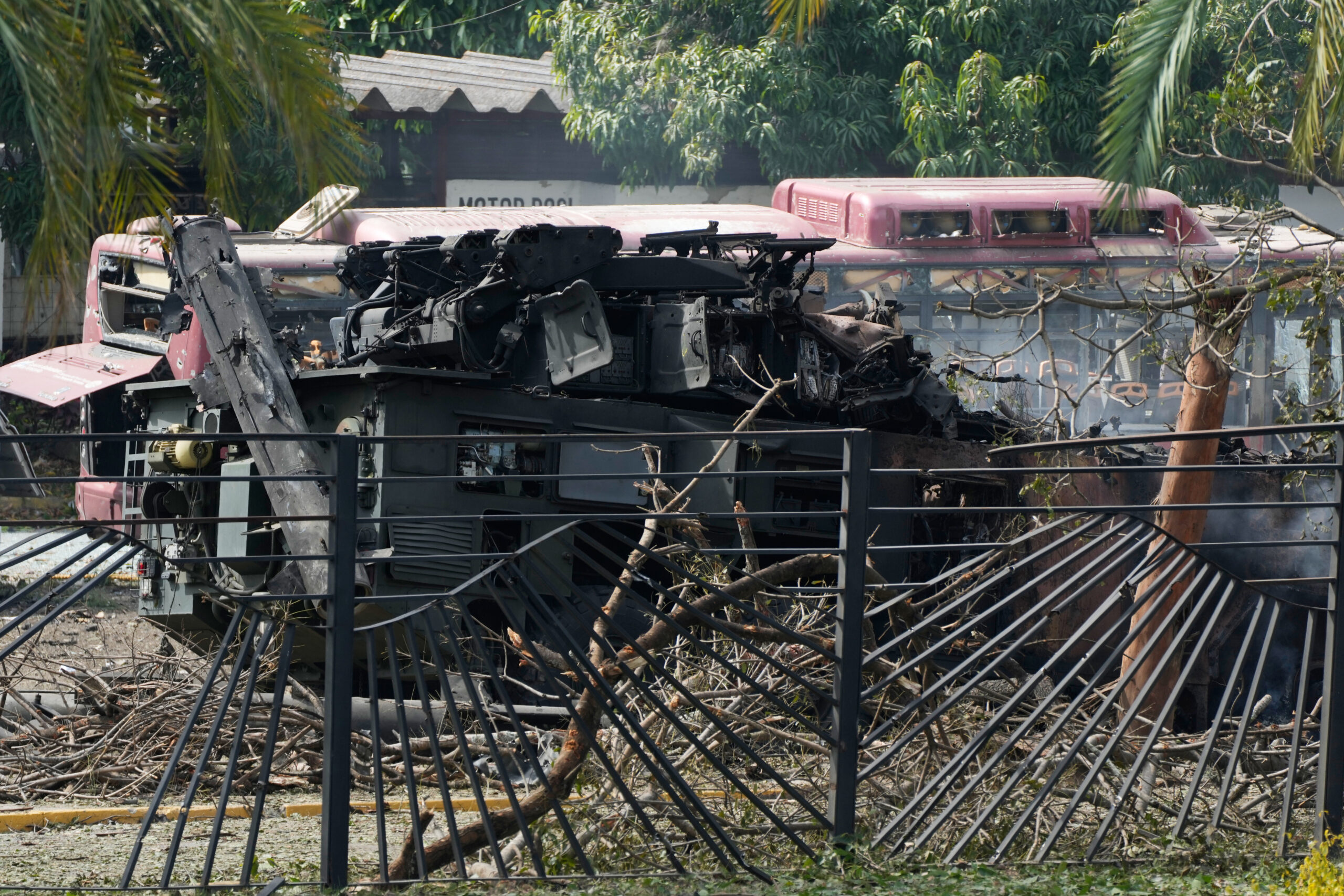
Residents of Venezuela’s capital, Caracas, reported explosions, with at least seven blasts heard as low-flying aircraft passed over. Smoke was seen rising from a military base hangar and parts of the city experienced power outages.
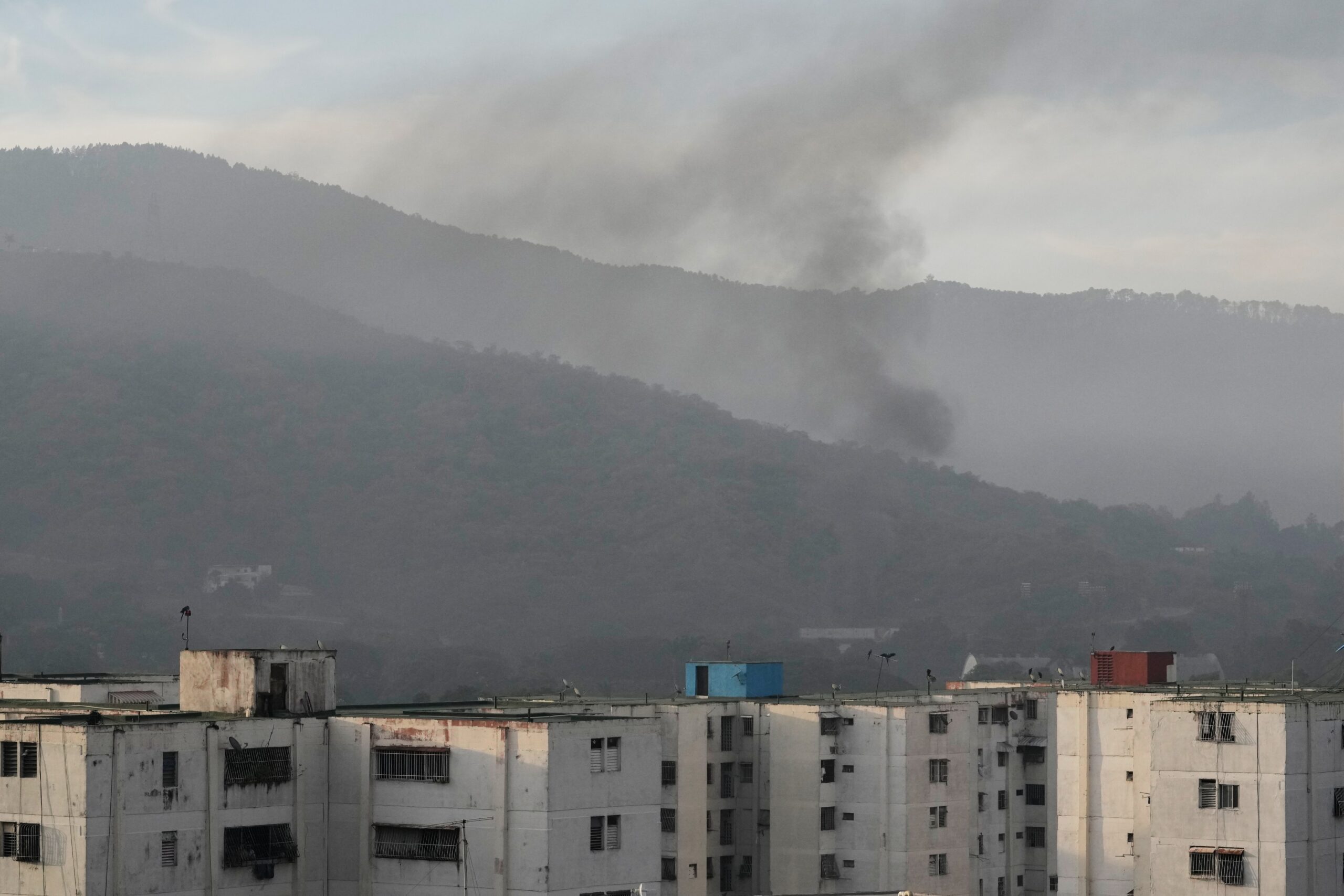
Caine indicated that US forces reached Maduro’s compound at 1:01am Cayman time, or 2:01am in Venezuela, and by 3:21am Maduro and Flores had been transferred to the USS Iwo Jima.
He said the operation followed months of intelligence gathering on Maduro’s movements and routines, culminating in one of the most dramatic regime-change actions in recent history.
US Attorney General Pam Bondi said both Maduro and Flores had been indicted in the Southern District of New York on charges including narco-terrorism conspiracy, cocaine importation conspiracy and weapons-related offences involving machine guns and destructive devices.
Maduro was first indicted during Trump’s first term in 2020, accused of leading what US prosecutors described as a criminal enterprise that used state power to facilitate drug trafficking. In 2020, officials alleged that around 250 tons of cocaine transited Venezuela annually, moved by go-fast boats, fishing vessels, container ships and aircraft from clandestine airstrips.
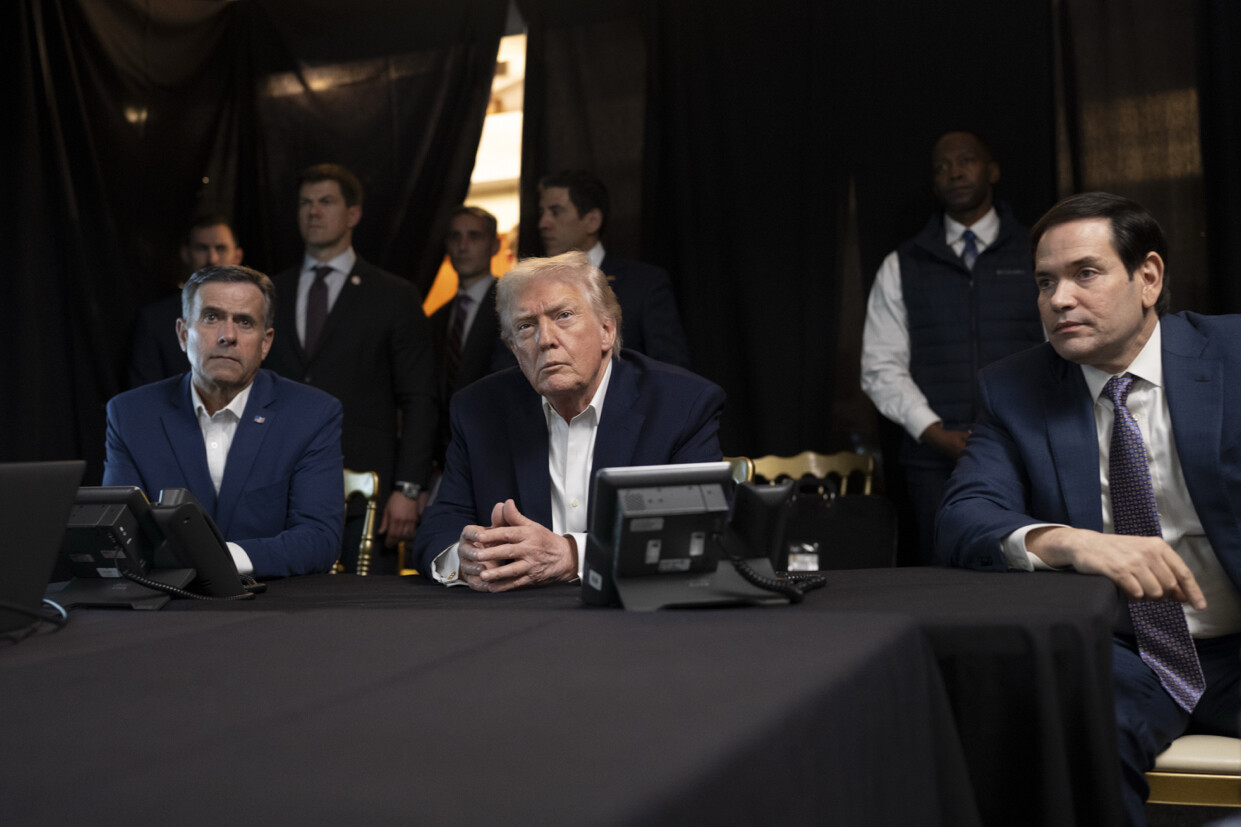
Trump said the United States would assume temporary control of Venezuela and move quickly to tap the country’s oil reserves, selling “large amounts” to other nations. He said oil companies would fund the rebuilding of Venezuela’s energy infrastructure.
“We’re in the oil business. We’re going to sell it to them,” he said, adding that the aim was to make Venezuela “rich, independent and safe” and allow Venezuelans living abroad to return home.
Questions around leadership
Trump offered a hazy outline of how Venezuela would be governed in the aftermath of US strikes, saying US officials would be part of a group working with Venezuelans to run the country for an unspecified period.
He did not say who those Venezuelans would be, but claimed that Vice President Delcy Rodríguez had been sworn in as president.
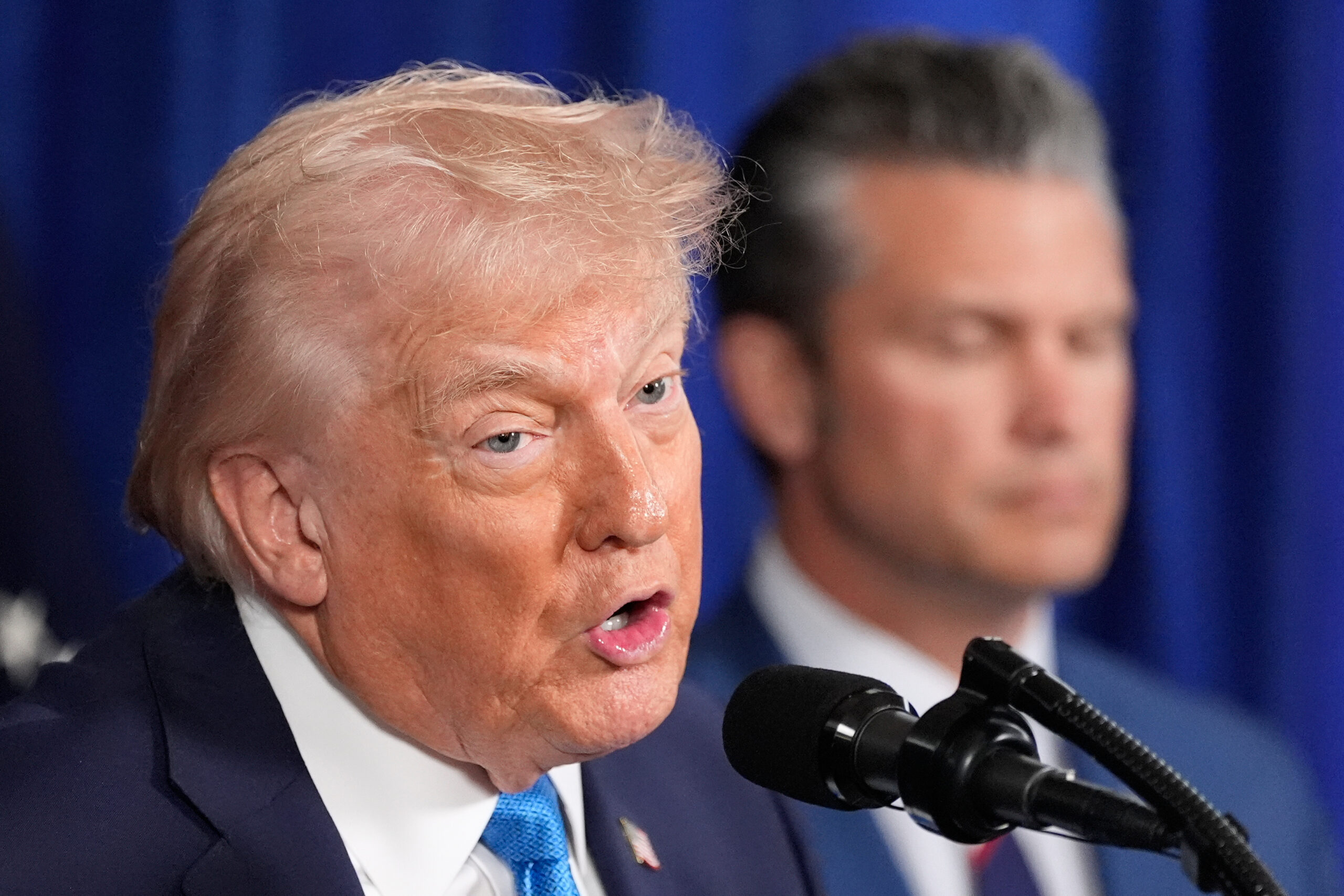
Trump said Rubio had spoken with Rodríguez and that she had indicated support for US efforts, but a communique posted to her Instagram page shortly after the strikes struck a sharply different tone.
She accused the United States of carrying out what she described as a “serious military aggression” against Venezuelan territory and its population, stating that Venezuela “rejects, repudiates, and denounces” the actions as a breach of international law.
She went on to say that the strikes violated core principles of the UN Charter, including sovereignty, the legal equality of states and the prohibition on the use of force, warning that they threatened peace and stability across Latin America and the Caribbean and put millions of lives at risk.
On Sunday, in an interview with The Atlantic, Trump issued a warning to Rodríguez, saying “if she doesn’t do what’s right, she is going to pay a very big price”.
At the United Nations, Secretary-General António Guterres expressed deep alarm over the escalation.
In a statement issued by his spokesperson, he warned that the action set a dangerous precedent and emphasised the need for full respect of international law. He called on all Venezuelan actors to engage in inclusive dialogue and urged restraint amid concerns about civilian safety and regional stability.
Trump said he had not spoken with opposition leader María Corina Machado, who spent much of the past year in hiding before travelling to Norway last month, and suggested it would be “very tough” for her to assume leadership, saying she lacked sufficient support.
In a post on X, Machado hailed the US actions as “the hour of freedom”, saying they would allow Venezuela to restore order, free political prisoners, rebuild the country and bring its children home.
Reaction from Latin America and the Caribbean
Across Latin America and the Caribbean, governments moved quickly to clarify their positions and assess potential fallout.
The Conference of Heads of Government of the Caribbean Community, of which Cayman is an associate member, said it had convened an emergency meeting early Saturday to monitor developments, describing the situation as one of grave concern – with possible implications for neighbouring states.
CARICOM said it would continue to update the region as more information became available.
Trinidad and Tobago’s Ministry of Foreign and CARICOM Affairs confirmed that Trinidad and Tobago was not a participant in any of the actions.
“Trinidad and Tobago is NOT a participant in any of these ongoing military operations,” read a media release from the ministry, stating, “Trinidad and Tobago continues to maintain peaceful relations with the people of Venezuela.”
In Guyana, President Irfaan Ali said he had met with the country’s Defence Board, national security officials and regional commanders in the early hours of the morning. He later confirmed that Prime Minister Mark Phillips was engaging with the Guyana Defence Force and police units operating in border communities, “in light of developments”.
Colombia, Venezuela’s closest neighbour, rejected the armed action and activated diplomatic and security measures.
In a statement from Colombia’s foreign ministry, the government said it opposed attacks on Venezuela’s territorial integrity and political autonomy, reaffirmed its commitment to regional peace and international law, and called for the situation to be examined through multilateral forums at the United Nations.
Bogotá also ordered the deployment of security forces along the border, strengthened preparations for potential migration flows and activated consular services in Venezuela to assist Colombian nationals.
Beyond the Caribbean basin, Argentina’s President Javier Milei, a close ally of Trump, praised the operation, while Brazil’s President Luiz Inácio Lula da Silva condemned the strike and warned of the destabilising legacy of past US interventions in Latin America.
Cuba urged the international community to respond to what it called a criminal attack. Russia, China and Iran, all allies of Venezuela, denounced the attack.
While Cayman has not issued a statement in response to the 3 Jan. strike, Governor Jane Owen recently indicated that the UK remains “vigilant” about the safety of Caymanian vessels and mariners operating across the wider region, amid US targeting of Venezuelan ships alleged to be involved in drug smuggling and a naval blockade of sanctioned oil tankers.
UK Prime Minister Keir Starmer, in a video posted to his X page, stressed that “The UK was not involved in any way in this operation.”
Later on Saturday, in another post on X, Starmer said the UK “regarded Maduro as an illegimate president and we shed no tears about the end of his regime”.
He added, “The UK government will discuss the evolving situation with US counterparts in the days ahead as we seek a safe and peaceful transition to a legitimate government that reflects the will of the Venezuelan people.”
In September, following the first strikes on Venezuelan vessels, Commander Robert Scotland, head of the Cayman Islands Coast Guard, said that the actions, while not directed at the western Caribbean, “send a very clear message to those entities who have been designated as narco-terrorists and should serve as a strong deterrent to anyone who seeks to engage in the illicit trafficking of drugs and firearms within our region”.
There are currently 51 Venezuelans on work permits in the Cayman Islands, according to the most recent statistics.
Related Videos





Do not fall for the “national sovereignty” discourse.
– Maduro led a cartel. Fact
– His machinery allowed known terror… factions to operate unhindered and undeterred from within Venezuela. Fact
– Under his administrations the Venezuelan people lost their gold, oil, education system and national pride.
– Rigged elections, bought out opposition, people missing, people dead, people exiled — hundreds gone missing while attempting to cross the jungle.
I am not usually a Trump supporter, but this was one situation that was never going to be resolved with diplomacy. Trump carried out the will of the Venezuelan people because no one can dialogue nor reach consensus with dictators and drug dealers who send minors to jail. They agree in paper as a delay tactic, but all along they have no intention of honoring any agreement.
Nicaragua should be next. Everyday a number of citizens purchase a plane ticket to return home only to be advised by the airline 24 hours before departure that the regime will not allow them entry to their own homeland — and that, too, is a fact.
Well said! 🙌🏻🙌🏻🙌🏻
US oil plus Venezuelan oil is a north American ocean of oil. None of which requires the US to ship it for great distance and which gives the US the power not only to keep itself oil independent but to manipulate global oil prices.
Think of it as an oil company with an army, someone joked. Not so funny now.
So what about other countries supplying the US with heavy oil. Will they need to develop new markets for their product and if so what exactly would those new markets be? India? Europe?
Canada, for instance, which is the only other country with an oil sand of virtually illimitable supply which, once US Oil turns the Ven. taps on, may find itself in a buyers’ market.
We saw what happened in the 20th century when Britain dismantled the Ottaman Empire and, together with France, seized middle eastern oil by the simple device of dividing the territory up on to small countries and setting them against each other.
We got WWI with 20 million dead and when that didn’t fix we opted for WWII and between 50 and a 100 million dead.
This time we have a nuclear arsenal and should be able to kill way more much more quickly to fix the price of oil.
The good news is, once we are done fighting, we won’t need oil and, as someone else rather smarter than me once observed, “I am not sure what WWIII will be fought with but the one after that will be back to sticks and stones.”
James leaves the comment of a deranged person. Somehow he thinks taking down a narco terrorist is about only oil. That’s because, in their own minds, Liberals are privy to magical insights. Must be amazing… The truth is much simple. The USA is done with the limp wristed and weak knee attitude of their own Liberals. Leftist countries like Canada, the UK, France et al have abdicated their place in the world and are now so weakened by Liberalism and radical ideology that the sight of the US protecting its own is now shocking to them. Believe in crazy conspiracy all you like, but this is simply a reversion to the mean for Western Civilization. Long overdue.