This story was updated on 16 Sept.
Local authorities are on alert after US strikes on Sept. 2 and 15 destroyed two suspected drug-running boats that officials say left Venezuela, killing a total 14 people. US officials have since indicated a third strike, but no details have been released. The attacks have prompted questions from Caribbean governments while Cayman authorities say they are monitoring any knock-on effects for local waters.
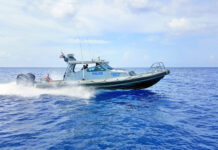
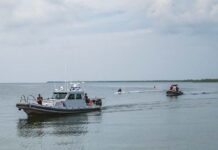
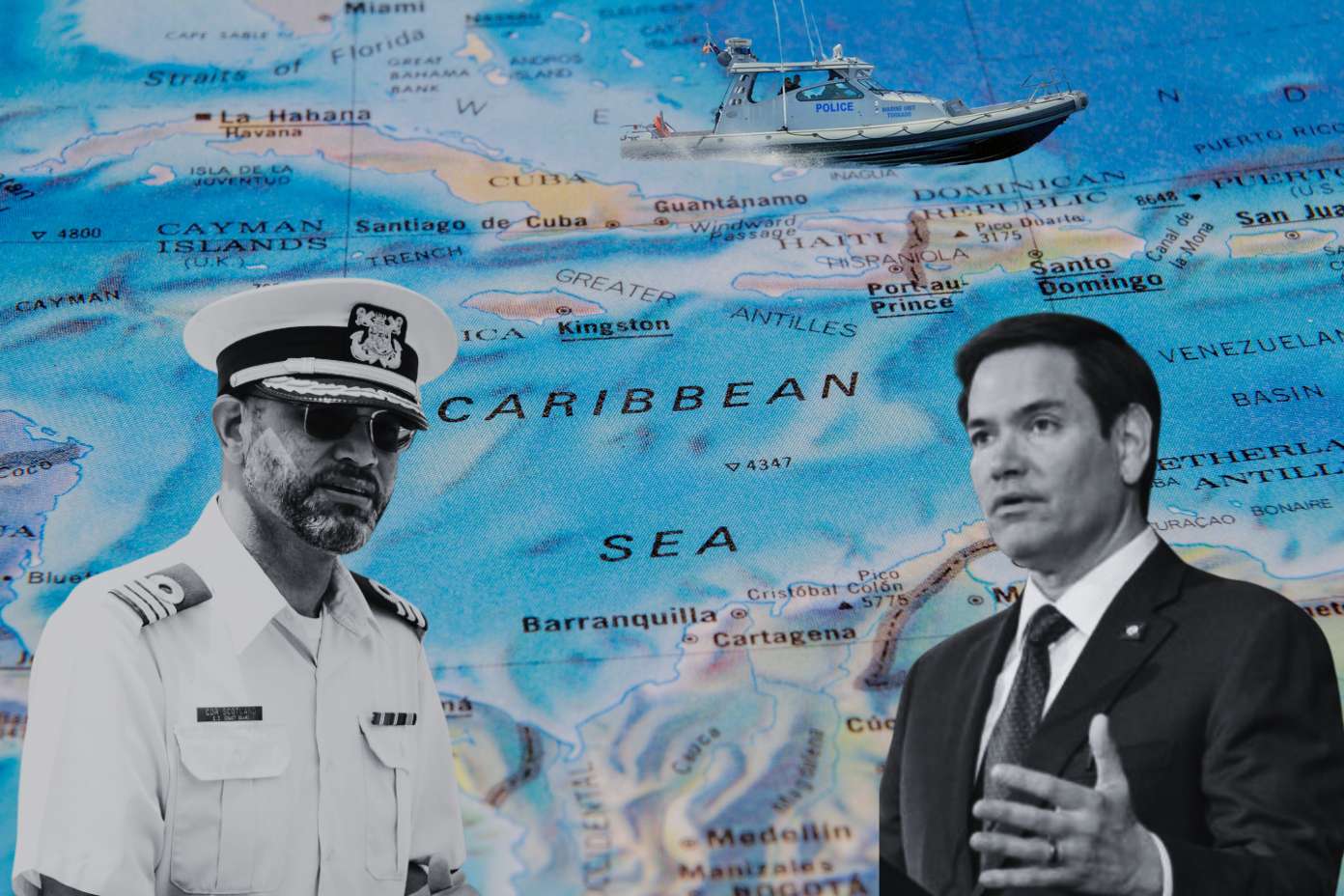
Commander Robert Scotland, head of the Cayman Islands Coast Guard, said that the actions, while not directed at the western Caribbean, “send a very clear message to those entities who have been designated as narco-terrorists, and should serve as a strong deterrent to anyone who seeks to engage in the illicit trafficking of drugs and firearms within our region”.
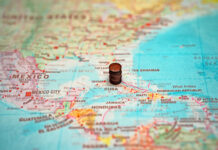
He added that Cayman’s location for maritime traffic, “be it legitimate or illegitimate, into or out of the ‘Gulf,’ brings with it significant challenges, especially during times when maritime law enforcement actions may focus more heavily on any single known trafficking route”, within the Caribbean.
Scotland said that under the Cayman Islands Coast Guard Act and in line with UN conventions on transnational organized crime, firearms and narcotics, the Coast Guard will act “within its operational capability, to help disrupt any form of illicit maritime activity”.
Washington has since expanded its footprint in the region, deploying fighter jets to Puerto Rico and bolstering naval patrols.
Newsweek says that the regional US drug patrol presence currently includes F-35B fighter jets, V-22 Ospreys, MQ-9 Reaper drones, P-8 Poseidon maritime patrol aircraft and stationed personnel in Puerto Rico, as well as naval assets that comprise destroyers, amphibious assault ships and a fast-attack submarine that carry thousands of US Marines.
Visiting forces off Puerto Rico, US Secretary of War Pete Hegseth told sailors their mission “isn’t training”, signaling a more aggressive Caribbean drug-enforcement posture that has stirred legal and diplomatic questions.
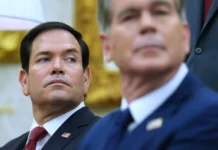
At a press event during a visit to Mexico City on 3 Sept., Secretary of State Marco Rubio signaled more to come.
“We’re not going to sit back anymore and watch these people sail up and down the Caribbean like a cruise ship,” he said. “Let there be no doubt that these groups that are using these maritime routes through the Caribbean are not going to be able to continue to act with impunity.”
After the White House released overhead footage of the 2 Sept. strike, Caracas denied any ties between President Nicolás Maduro and the Tren de Aragua gang, which Washington designates as a terrorist organisation.
On 15 Sept., President Trump used Truth Social to announce a second strike, calling Venezuelan cartels “a threat to US national security, foreign policy and vital US interests,” and warning: “IF YOU ARE TRANSPORTING DRUGS THAT CAN KILL AMERICANS, WE ARE HUNTING YOU!”
A day later, on 16 Sept., Trump told reporters at the White House, just before departing for a state visit to the United Kingdom, “We knocked off actually three boats, not two, but you saw two.” He offered no details about the third vessel or whether there were additional casualties.
On Capitol Hill, the lack of details surrounding the attacks have raised questions over legal authority and rules of engagement.
Regional responses have varied.
In Venezuela, foreign minister Yván Gil warned that “Those who give the order to carry out such provocations are seeking an incident that would justify a military escalation in the Caribbean.” The statement was made on 13 Sept. after US forces boarded a Venezuelan fishing vessel seizing it “illegally and hostilely” for eight hours, according to Gil.
Barbados Foreign Minister Kerrie Symmonds said CARICOM foreign ministers drafted a letter to Rubio seeking structured communication and, where feasible, prior notice of actions with regional impact, citing the Caribbean’s aspiration to remain a “zone of peace”.
Mexico’s President Claudia Sheinbaum has held a similar stance for quite some time, stressing that unilateral US military operations in Mexico would cross a red line.
Trinidad and Tobago Prime Minister Kamla Persad-Bissessar publicly supported the US actions on 2 Sept., urging the harshest response to traffickers.
Jamaica’s Prime Minister Andrew Holness, who chairs CARICOM, has not officially commented. He previously cast gang violence as a transnational threat warranting the same treatment as terrorism or cybercrime and during a visit to Jamaica in March, Rubio pledged US support for the island’s crime fight.
In Jamaica, a Gleaner editorial warned that aggressive action like the Venezuelan strike “undermines the rule of law, weakens democratic governance and is a threat to anyone everywhere, including, potentially, innocent Jamaicans who may be sailing the high seas”.
Jamaican security-policy expert Anthony Clayton told the Compass that intensified US drug surveillance measures are “causing quite a lot of concern across the Caribbean” and cautioned that intensified operations raise the risk of a mistaken hit.
Cayman’s stance has been more geared towards cooperation.
The islands’ trafficking picture is largely maritime; authorities seized nearly 3,000 pounds of cannabis in 2022, most of which came by boat and was linked to Jamaican suppliers, and US estimates suggest several shipments evade detection for every one stopped. Cocaine tied to South American routes also periodically washes ashore – more than 150 pounds in 2023, worth about US$1.15 million.
The Cayman Islands is a minor node in the Caribbean drug trade and is not named in the White House’s regional counternarcotics strategy.
The Governor’s Office told the Compass that the United Kingdom “recognizes the importance of regional security and is committed to providing advice and capacity building to our Cayman law-enforcement partners”, noting that the United States is Britain’s principal defense and security partner and that both governments “recognize the significant threat that organized crime presents”.
Related Videos