Venezuelan Daniel Garrido was relaxing at his George Town, Cayman home on the evening of 24 June when he casually checked social media, only to discover that two powerful earthquakes, measuring 7.2 and 7.5 in magnitude, had just struck west of his country’s capital, Caracas, less than a minute apart.
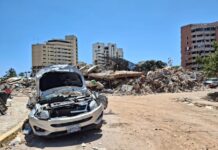
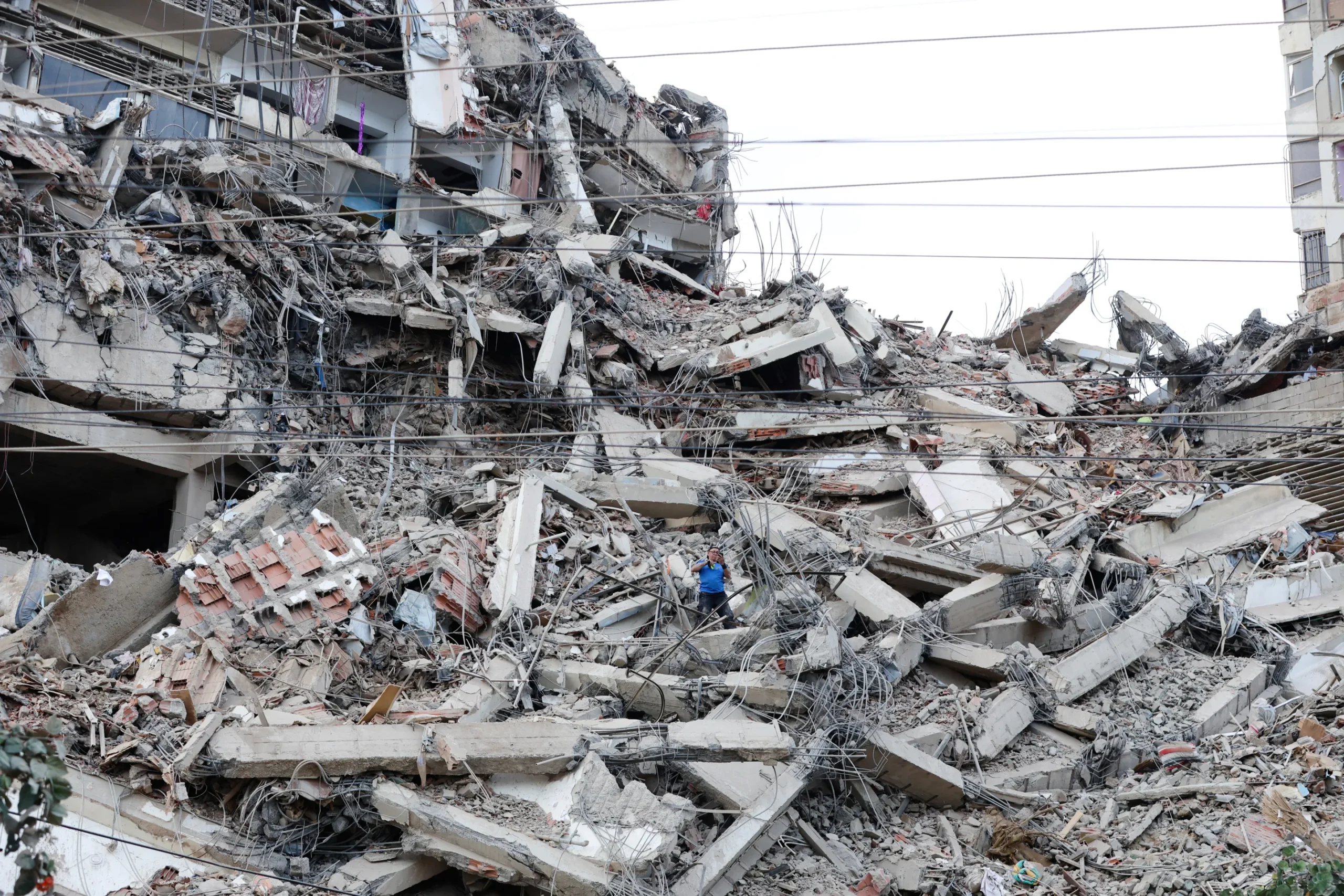
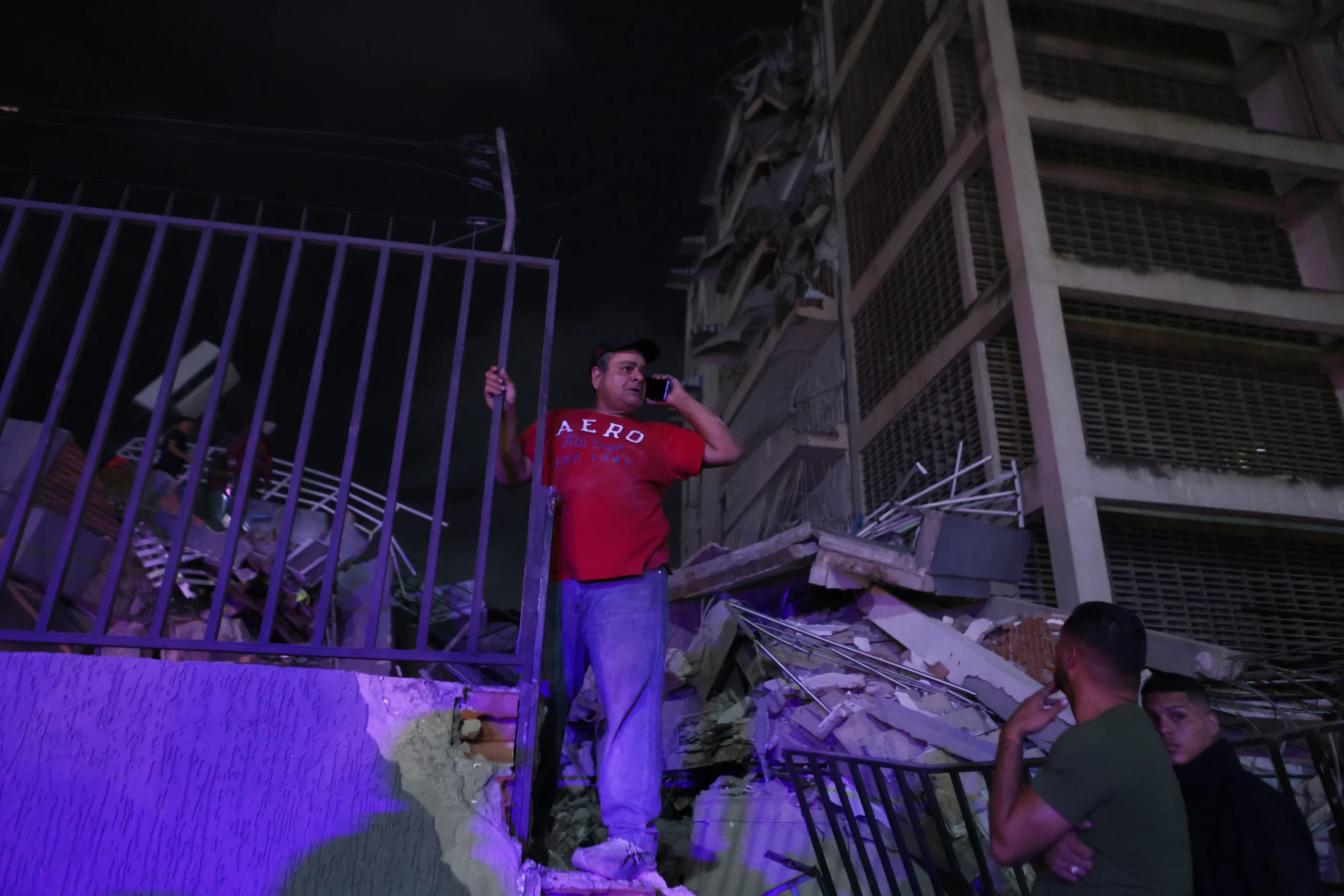
Unlike a typical earthquake sequence, in which a major quake is followed by much smaller aftershocks, Venezuela was hit by the two devastating seismic waves in rapid succession. The second, stronger tremor struck before communities had time to recover from the first, compounding damage to already weakened buildings and infrastructure.
According to the US Geological Survey, it was the country’s strongest earthquake since 1900.
“I thought it was a joke,” said Garrido, a marketing professional who has lived in Cayman for the past six years. “I thought it was an exaggeration. … When I saw the news, I was in shock. … I didn’t realise how big and how bad it was until 20 or 30 minutes later. It was horrible, terrible.”
Garrido said the human toll was compounded by the timing, with the earthquakes striking on a bank holiday when many Venezuelans were at home watching Brazil playing in the World Cup.
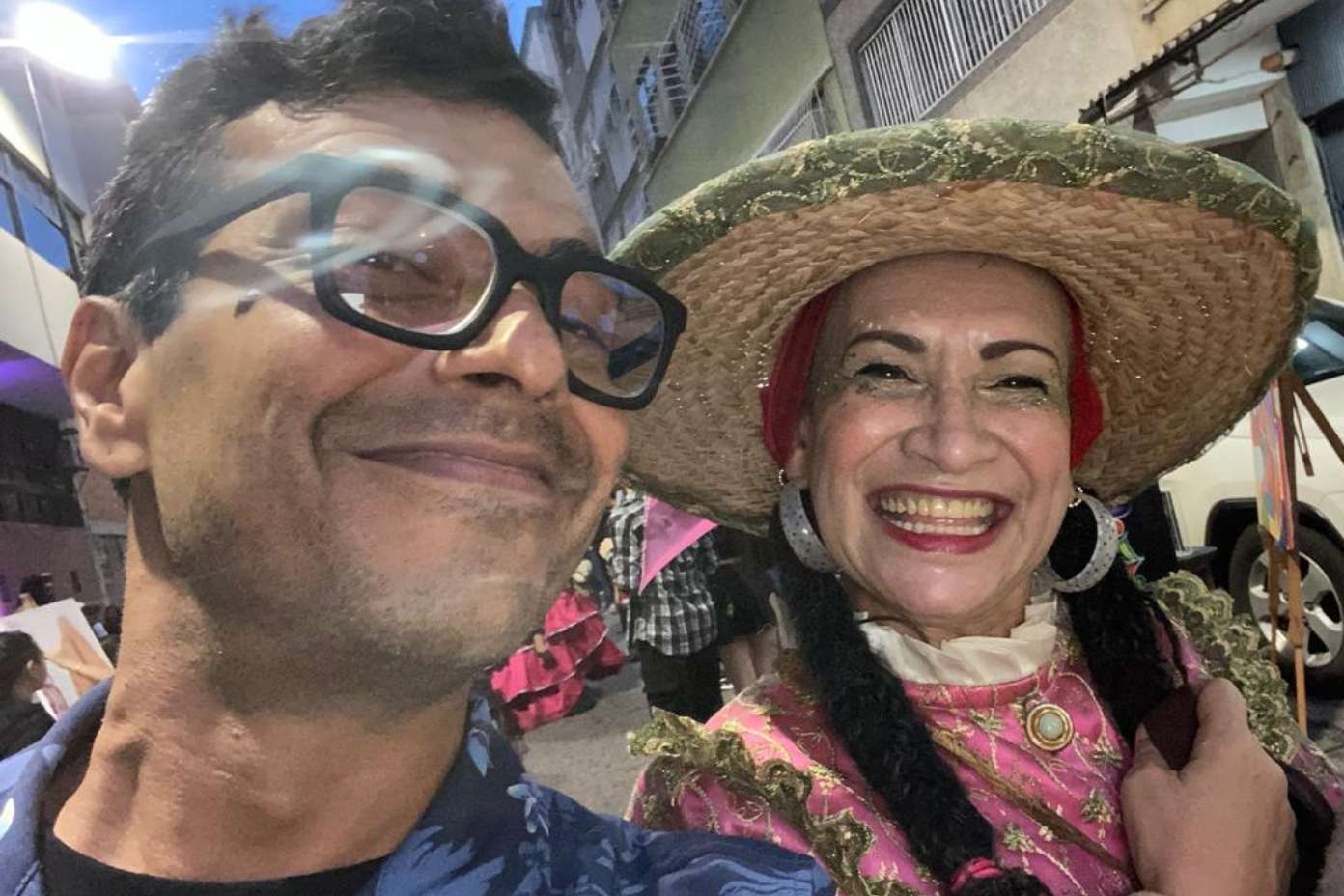
The disaster severely affected neighbourhoods Garrido once called home, including areas around Cerro Ávila, where he said numerous buildings had collapsed.
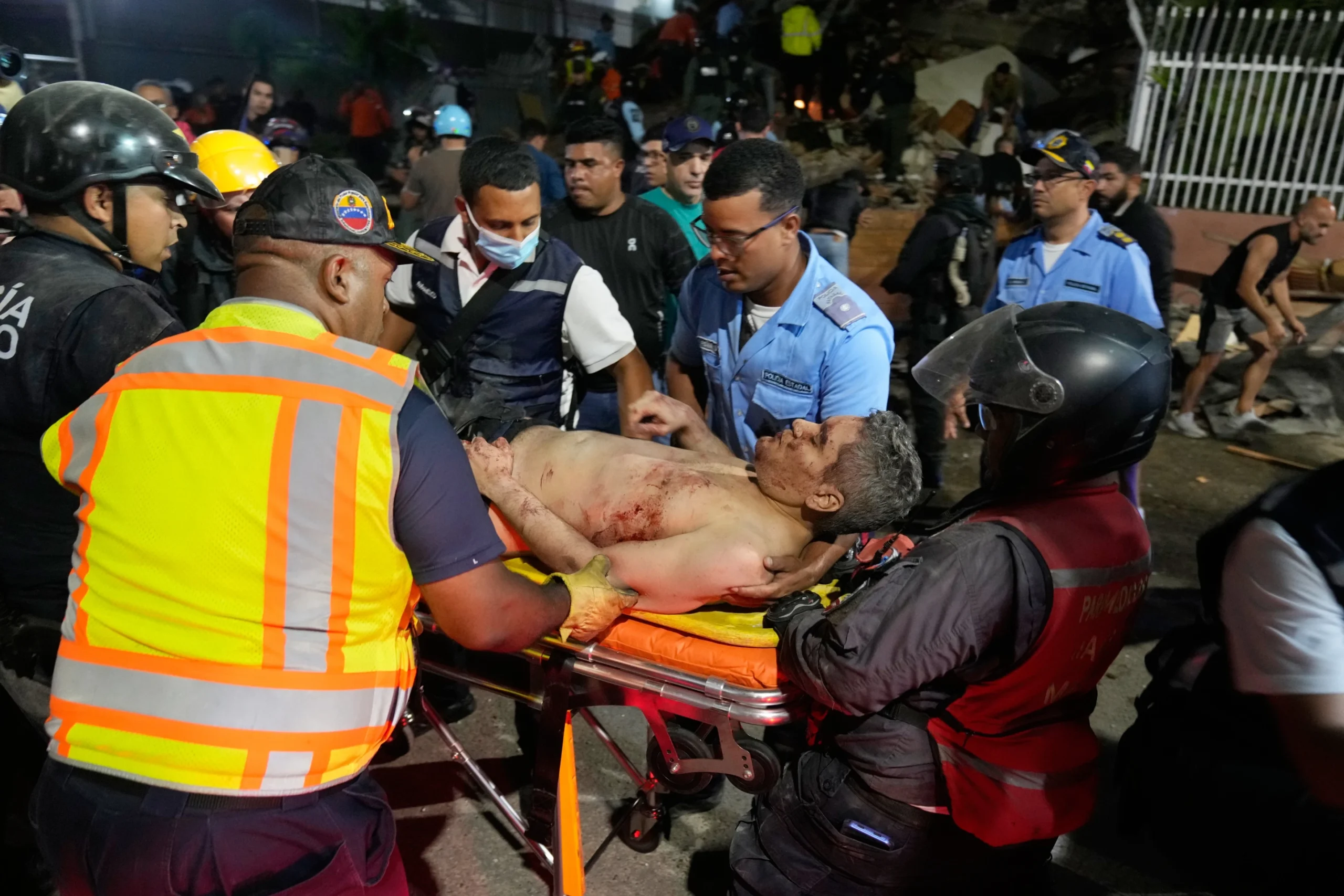
Venezuela’s interim leader, Delcy Rodríguez, has since declared a state of emergency. As of 25 June, at least 188 people had been confirmed dead and more than 1,500 injured.
For Caymans’ Venezuelan community of around 45 people, the hours after the earthquake were marked by fear, uncertainty and frantic attempts to contact loved ones. Telecommunications outages meant many families could only communicate through limited internet and Wi-Fi connections.
“I have Venezuelan friends here in Cayman, and some abroad, who couldn’t reach their families immediately,” said Lissette Anez, a Venezuelan marketing professional who has lived in Cayman for the past 12 years. “One friend has a cousin missing with his family. They still haven’t been able to reach them to find out if they’re safe.”
Anez, who was also at home when she learned of the disaster, said she experienced challenges getting in touch with friends and family.
“My husband and I both have the earthquake alert app. He sent me a screenshot and as soon as I saw the location, I knew it was very close to our hometown,” she said. “Of course, I panicked straight away and tried to reach my dad, who lives there, but I couldn’t get through. It took more than 30 minutes before I finally reached him. Until then, I had no idea whether he was okay. That was the longest 30 minutes of my life.”
Anez said that her family is from Maracay and Valencia, two of the areas hardest hit by the earthquakes, which made watching the devastation from afar particularly difficult.
For Garrido, one of the most painful aspects has been the sense of powerlessness and inability to help while watching neighbours and strangers working side by side to rescue survivors and distribute food, water and supplies.
Fighting back tears, he described the scenes of ordinary Venezuelans risking their own safety to help others.
“One of the saddest parts for me yesterday was that I wasn’t there to help because it was so touching to see people helping each other,” he said. “They were carrying food, tools, whatever they could. That’s the hardest part.”
Anez said the emotional toll of watching images and videos emerge from her homeland has been overwhelming.
“It’s been a roller coaster, honestly,” she said. “The first hour was the most shocking. Seeing your hometown in that state is just heartbreaking.”
The earthquakes come at an especially fragile moment for Venezuela, which has been struggling to recover from political upheaval following the January 2026 US-backed military ouster of its former president, Nicolás Maduro.
“Our country has gone through so much, and with this … it’s just a lot to process,” Anez said.
Fellow Venezuelan Luz Seijas, who has lived in Cayman for the past 26 years, said she found out about the disaster when she received a distressed message from her family in Caracas.
She said the disaster has added another layer of uncertainty for families already facing economic hardship.
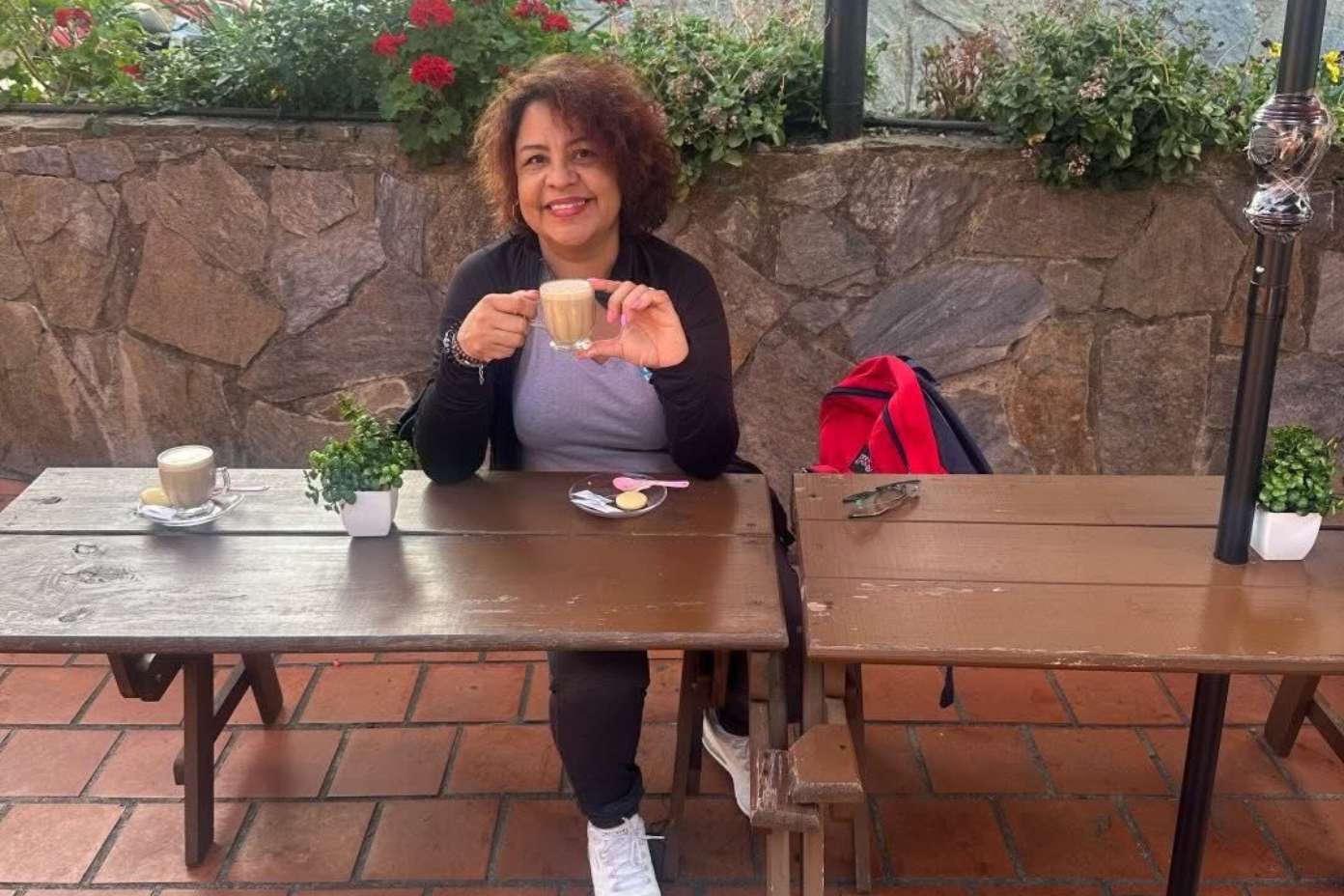
“This earthquake has brought immense pain and uncertainty to the people of Venezuela, including my family,” Seijas said. “Venezuelans are resilient and strong in our faith, but recovery will not be easy. The economic challenges facing many families were already significant, and rebuilding after this disaster will require time, support and unity. I have faith that our country will overcome this tragedy, but the impact will be felt for a long time.”
Early economic modelling by the US Geological Survey estimates losses could reach US$100 billion, roughly equivalent to the size of Venezuela’s annual economy. Thousands of people remain missing and final death toll is expected to be much higher.
“The biggest question everybody is asking now is, what are all these people going to do?” Anez said. “They don’t have anywhere to go. There are people there that I know. It’s just sad.”
Related Videos