

The concept of ‘Caymankind’ may be very much home grown, but thousands of immigrants from across the globe, working alongside locals, have helped create the islands’ reputation for five-star service.
Arrivals from the Philippines, India, Italy and Australia, among many others, have made the beds, poured the wine and staffed the boats that helped provide experiences that kept tourists coming back year after year.
Now as the tourism industry collapses amid the coronavirus crisis, they are suffering in the first wave of lay-offs.
Some are living hand-to-mouth as they wait for news of evacuation flights, others are hoping to bolster their savings with funds from pension accounts and hold on until businesses reopen.
One hospitality worker from the Philippines told the Cayman Compass he had been forced to give up his apartment because he could no longer afford to pay the rent. The restaurant where he was employed has a ‘no work, no pay’ policy and there is no certainty over if and when it will reopen.
“It has been about a month now and it is very hard to survive,” he said.
He moved in with friends to cut expenses, but has to share a single room with three others.
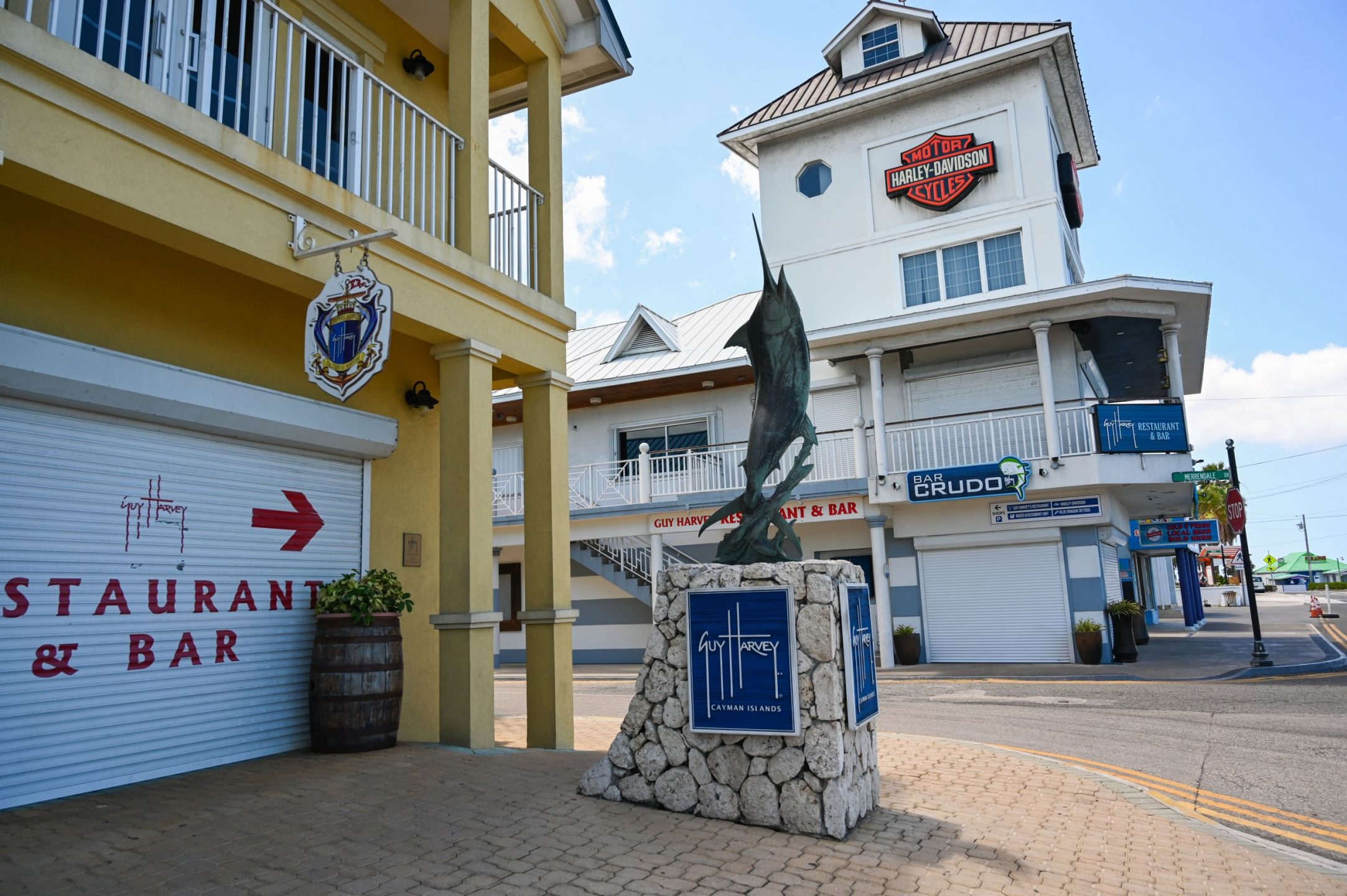
“When it comes to food, we are relying on donations. The Wharf restaurant gave us a voucher for one meal a day,” he said.
He has applied for government assistance, he said, but has not heard back.
“They prioritise locals and we are expats here who don’t pay tax, so I understand,” he said.
Saving for the ticket home
He said everyone in his house was planning to leave as soon as they could.
“We are saving our last money for the ticket,” he added.
He was hopeful that he could get out on the British Airways flight, scheduled for Wednesday, but there may be complications around getting connecting flights to Manila.
A visa transit waiver only allows him to stay in London for 24 hours and there are no onward flights to the Philippines within that time frame.
Many expatriate workers, most of whom spoke to the Compass on condition of anonymity, said they believed the government had handled the crisis well. Some said they feel safer in Cayman than returning to their home countries, but the cost of living without income is too much.
One woman, a server from Canada, said she and her partner, who also lost his job in the hospitality industry, were considering their options, including heading home in the hope of returning to Cayman if and when the tourism industry recovers.
After seven years on the island, Cayman feels like home to her and it is not an easy decision to pack up and leave.
“Day-to-day is like a roller coaster – constant ups and downs,” she said. “I am optimistic and hopeful one moment, then scared and anxious the next.
“Luckily, our landlord is very understanding and has decreased our rent by half.”
Another server, also from Canada, said her employer had helped more than most and her landlord has waived rent for a month to help her and her partner get through.
“Really, it’s day by day,” she said. “Everything happened so fast. I can’t leave because I have a dog that I adopted. Also, it feels safer to be here and see where it goes week by week.
“Pensions opening up is a huge benefit. Personally, I feel like 2020 is a write-off. We can ride it out for a while and then we may have to head to Canada in the summer.”

An Australian, working in the water-sports industry, said the crisis had hit at the worst possible time.
“We are no longer receiving any income and spring break and ‘busy season’ did not happen, which everyone in hospitality was depending on,” he said. “No one could see this crisis unfolding the way it has and our savings account was not prepared and is almost depleted.”
He said the ability to access pension savings would provide some relief.
The ‘lucky ones’
Joey Alibangbang considers himself one of the lucky ones. The Ritz-Cartlon, Grand Cayman, has kept him on staff, at least for now.
And while his income is depleted, there is a strong Filipino community support network and he is managing to get by.
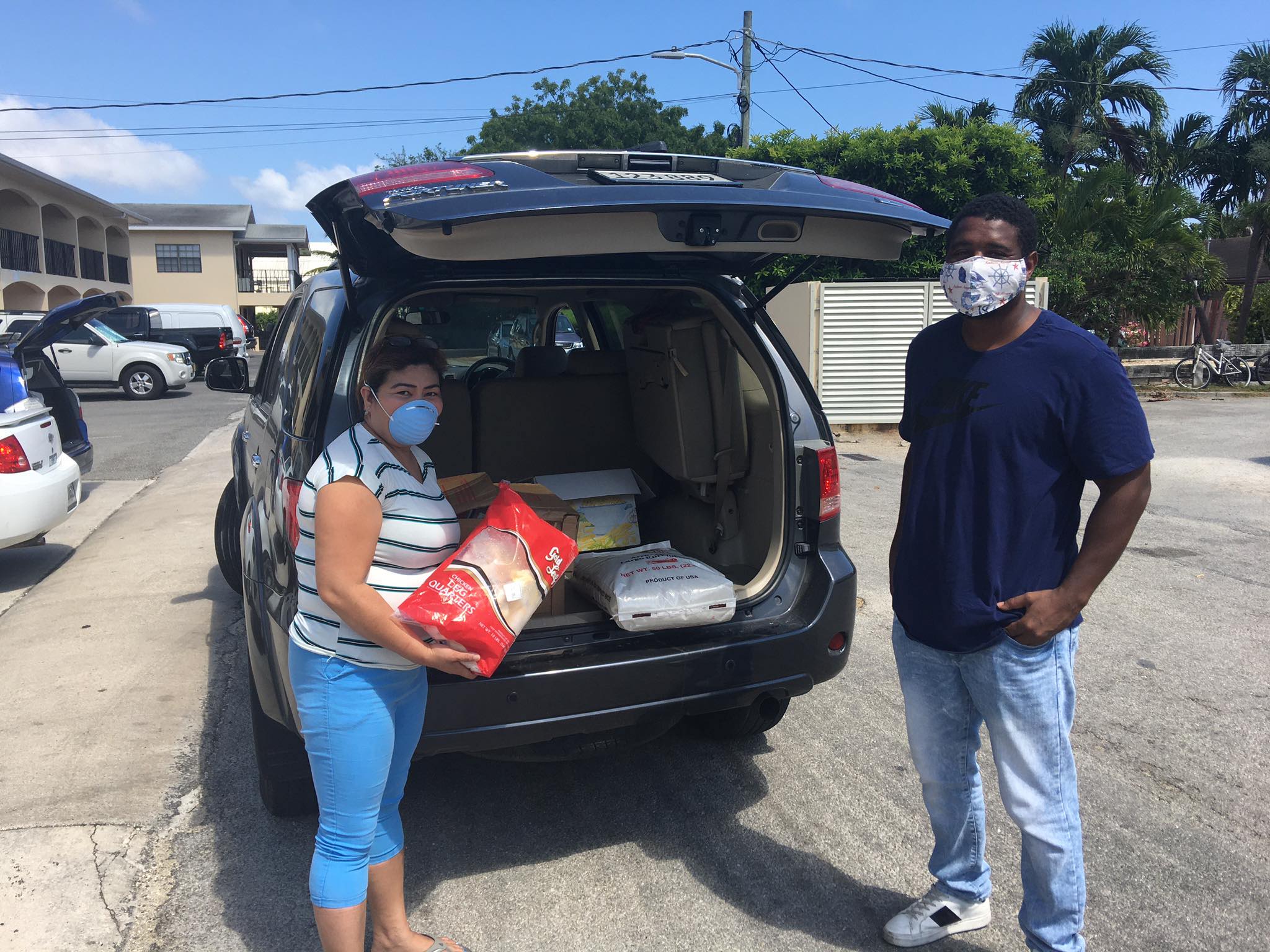
Caroline Tajonera also considers herself fortunate. She lost her job in the hospitality industry, but her husband is still working. Now she spends her time coordinating help for those that don’t have income in the family. Last week, she was able to help organise grocery packages for more than 500 households.
“There are some Filipinos still working and they said they are going to share their money to help the ones that are not working,” she said. “Everyone is helping each other.”
Longer term, she believes most who don’t have work will have to leave, if they can get flights and transit visas.
“They really don’t want to stay if there is no way to make money or to send money home,” she said. “If there is a chance to go, they will go.”
Sunny Dee, another hospitality worker, said the generosity of the Filipino community was helping her and her housemates get through.
“I can say that we’re really feeling hard the punches dealt us by this virus due to ‘no work, no pay’. But I am blessed with a very decent and generous employer who covers my needs … I can thankfully say we can weather this one with the help of the Almighty God. The Filipino community looks after its own. When all of this is over, we’ll all heal as one.”
Alric Lindsay, an attorney and former political candidate, has provided some assistance to the Filipino community in his neighborhood.
He said he was trying to help Tajonera and others access official channels that provide support.
“The COVID-19 pandemic has impacted all nationalities that comprise our communities. However, some people are unsure how to access the relevant channels to obtain assistance,” he said.
“Many people have been kind to me so helping in this way was an easy decision to make. I hope that after COVID-19 we continue to embrace all of the different communities in Cayman, share ideas, work together and make contributions for a long term, sustainable Cayman.”
Related Videos






