

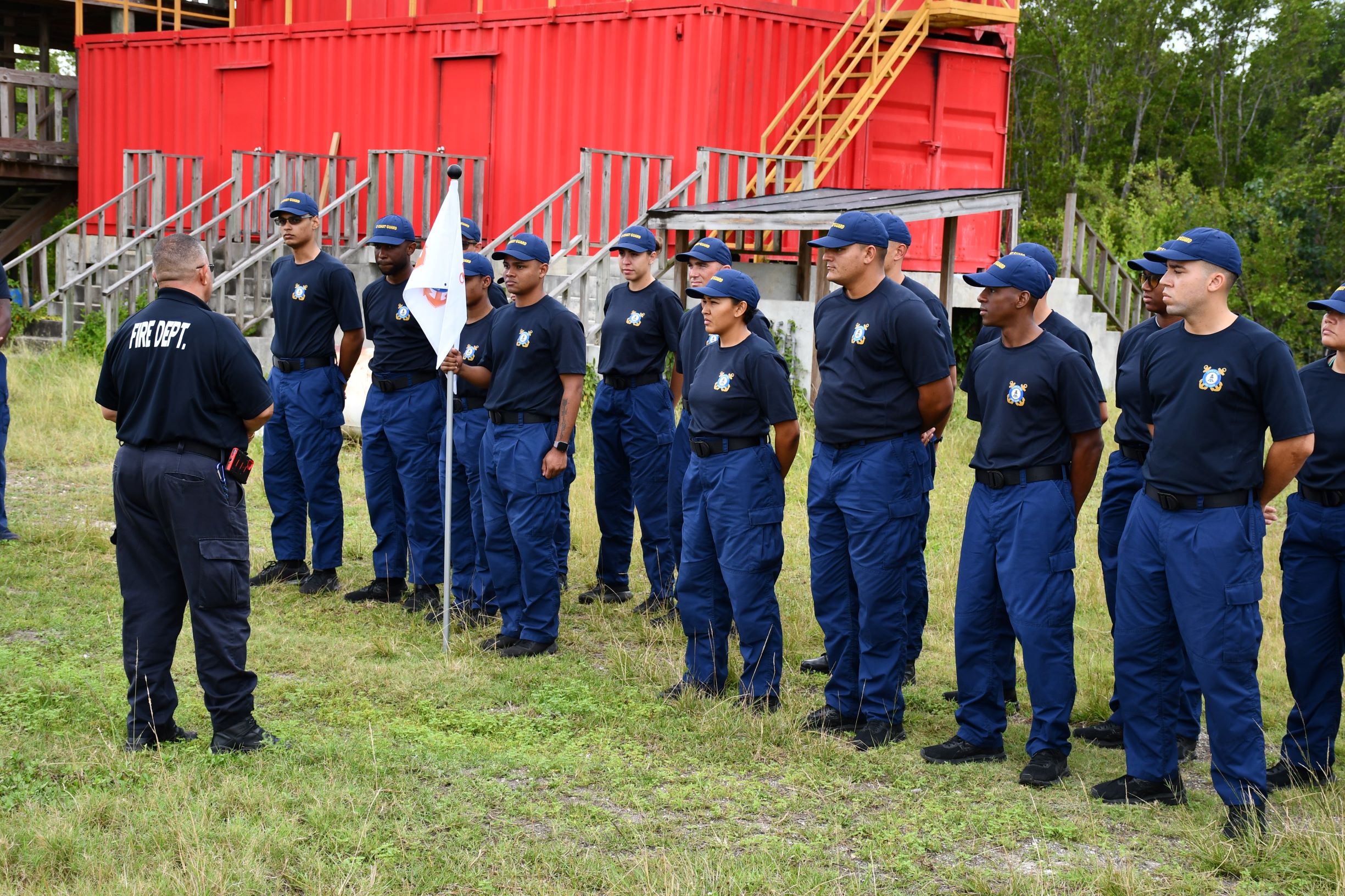
Cayman’s new Coast Guard team will have to be sworn in as special constables rather than as official coast guards because the legislation needed to formalise Cayman’s newest law enforcement body has not been finalised.
Commissioner of Police Derek Byrne, in response to queries from the Cayman Compass, said it was hoped that a draft Coast Guard Bill would be mentioned in Cabinet for early approval for a public consultation period to take place, so that the bill could be debated and passed when a new Parliament sits following the April election.
All new legislation requires a 21-day period for public consultation. No draft of the bill has yet been made public.
“As it is now, the [Coast Guard] is not established in law and the operations continue to be conducted under the auspices of the RCIPS Joint Marine Unit, which means that our maritime security capabilities remain in place while we are transitioning to the Coast Guard,” Byrne said in an email to the Compass.
The Coast Guard’s duties include search-and-rescue operations, border security and enforcing maritime laws.
The 16 Coast Guard recruits are currently undergoing eight weeks of training as ordinary seamen, and they were expected to graduate “in a couple of weeks’ time”, Byrne said.
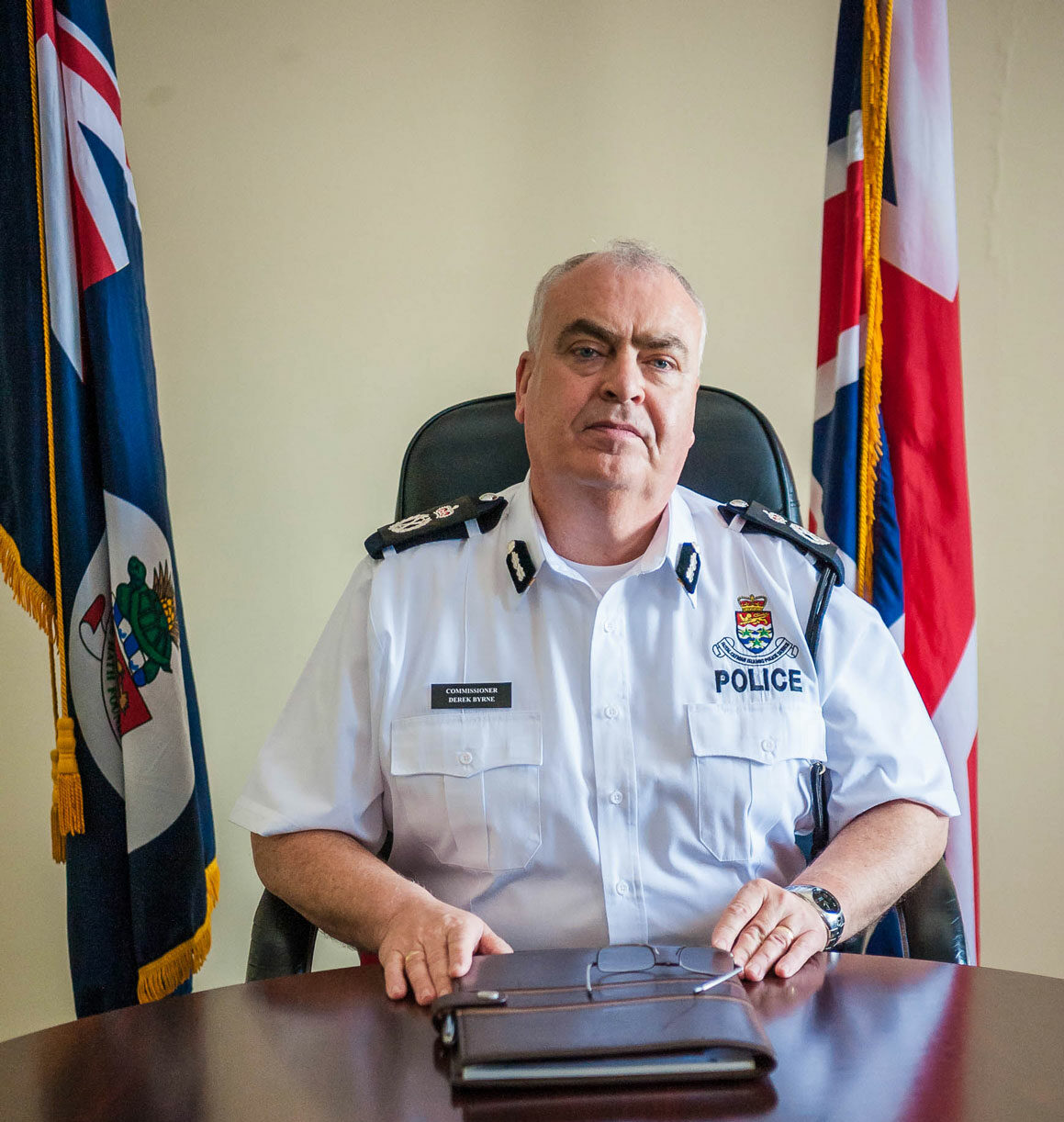
“In the absence of the Coast Guard Law, I will then swear them in as special constables which will allow them to operate with the RCIPS [Joint Marine Unit] and once the CG is formally established they will transition over,” he said.
Coast Guard recruits receive salaries of between $37,668 and $43,632. Although special constables are part-time volunteers who typically do not receive salaries for their work with the RCIPS, Byrne confirmed that the recruits would continue to be paid.
He compared their situation with specialist full-time posts within the RCIPS, such as pilots in the police’s Air Operations or financial investigators, who are not trained RCIPS police officers, but are sworn in as special constables “to provide the full range of police powers to assist in the performance of their duties”.
The same practice would be implemented for the Coast Guard recruits when they graduate until they transition to the new body and receive full Coast Guard powers, the commissioner said.
Like the recently formed Cayman Islands Regiment, the Coast Guard is a new entity and specific legislation is required before it can officially operate. Following two days of heated debate in the Legislative Assembly, the Defence Bill was passed, giving statutory underpinning to the regiment.
As chief officer in the Office of the Commissioner of Police, Byrne has strategic oversight for the RCIPS and the Cayman Islands Coast Guard. He appointed Commander Robert Scotland and Lt. Commander Leo Anglin to take operational control over the RCIPS Joint Marine Unit during the transition process, he said.
“In effect, we are running a parallel operation, developing the CICG with new and refurbished assets, new recruitment and getting ready to go once the bill is passed and the law is enacted,” the commissioner said.
He said he expected that, with the planning and work that had taken place over the past 18 months, the “transition will be pretty seamless and speedy”.
He added that until the Coast Guard is officially established, the RCIPS Joint Marine Unit will remain in place and fully operational, but will no longer exist after that.
Related Videos










Will the coastguard be used to assist in enforcing our marine parks regulations? I would expect them to work hand in glove to maximize our profits from this expense. Please tell me they will.