

As consultant in pulmonology, critical care and sleep medicine at Health City Cayman Islands, Dr. Archita Joshi-Bhatt sees a range of patients.
Her specialist branch of medicine deals with diagnosis, treatment, management and prevention of conditions and diseases affecting the respiratory system.
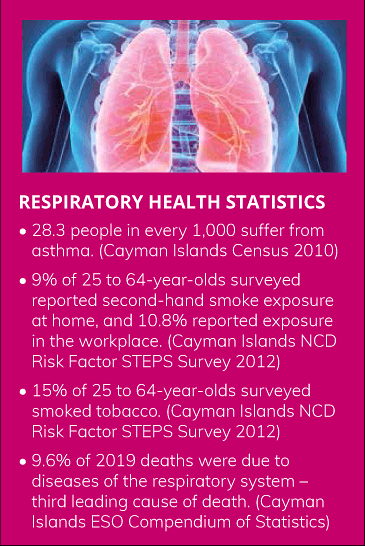
The most commonly presenting respiratory disorders are asthma, chronic obstructive pulmonary disease (COPD), pneumonia, pleural effusions, chronic bronchitis, bronchiectasis, lung cancer and interstitial lung disease.
Lung health
The lungs are an area of the body often overlooked until an issue arises, but we can promote and protect lung health by knowing what affects it on a day-to-day or long-term basis.
“Lung health is influenced by a wide-range of factors, including lifestyle choices, environmental exposure, genetic factors – particularly in relation to inherited conditions like cystic fibrosis and primary ciliary dyskinesia, socio-economic status, nutrition and exposure to infectious agents,” explains Dr. Joshi-Bhatt.
Lifestyle choices
When it comes to improving lung health through lifestyle factors, Dr. Joshi-Bhatt advises exercise, respiratory etiquette and abstaining from smoking in any form, including vaping, which has become increasingly popular.
“I always tell my patients that vaping is a lesser-known evil,” she says. “E-cigarettes heat nicotine, flavouring and other chemicals to create an aerosol that is inhaled, while regular tobacco cigarettes burn tobacco to release several chemicals, many of which are toxic and more than 70 are known to cause, initiate or promote cancer,” explains Dr. Joshi-Bhatt. “There have been case reports and outbreaks of lung injuries and deaths associated with vaping and, although it may be less harmful than cigarette smoking, it is still harmful.”
Environmental exposures
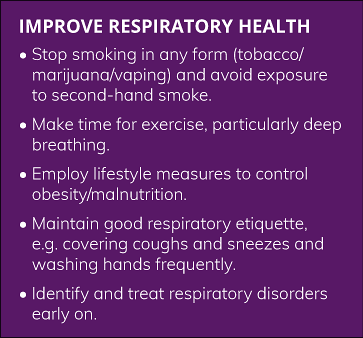 Controlling exposure to environmental stressors which affect lung health can make a positive difference, including avoiding second-hand smoke, indoor and outdoor air pollution and occupational respiratory hazards.
Government involvement, including legislation and planning to prevent and control air pollution and emissions, can go a long way in reducing environmental exposures and protecting the long-term respiratory health of the community.
“Enforcing laws to prohibit smoking in indoor environments, burning plastics or rubber and the release of other pollutants into the environment, would help protect the environment,” says Dr. Joshi-Bhatt. “Defining targets for good air quality and monitoring air quality would help.
“Monitoring of air quality, regulating vehicular pollution, incorporating rules to control environmental particulate matter and dust, especially with the recent boom in construction industry, and finding sustainable and eco-friendly fuel sources would go a long way.”
COVID-19
Unsurprisingly, the COVID-19 pandemic has shone a spotlight on respiratory health, as the lungs are the organs most affected by the virus which causes the disease.
 “The respiratory manifestations of COVID-19 can range from mild upper respiratory symptoms to acute bronchitis, pneumonia and acute respiratory distress syndrome with respiratory failure,” explains Dr. Joshi-Bhatt.
Much is still unknown about the long-term effects.
“It has been reported that (in) patients who were discharged from the hospital after COVID-19, and followed for six months, those with more-severe disease were more likely to have lingering symptoms and impaired pulmonary diffusion capacity,” says Dr. Joshi-Bhatt. “There may be permanent structural changes and fibrosis in the lung, impacting respiratory quality of life.”
Underlying chronic respiratory disorders like asthma, COPD, bronchiectasis, interstitial lung disease, cystic fibrosis etc., as well as chronic systemic diseases and obesity, increase the risk of severe COVID-19 and puts these individuals at higher risk of respiratory failure and death.
Related Videos