Your recent story, “Scholarships cut as UCCI board of governors gets pay bump” implies that this development should be a cause for concern by students.
On the contrary, University College of the Cayman Islands presidents and board members have long advocated shifting resources to UCCI from Cayman Islands government’s overseas scholarship budgets.
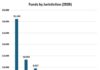
Although there are almost 10 times as many students at UCCI than overseas scholarship students, UCCI local scholarship students receive only about 10% of scholarship monies budgeted for all government scholarship students. In fact, the government overseas scholarship budget is also far greater than the entire government operating grant to UCCI.
The situation for local scholarships will continue to deteriorate. UCCI tuition fees for Caymanians have been largely frozen since 2003 and so local government scholarships represent an ever-declining portion of the increasing real costs of higher education.
What to do? Increase UCCI tuition fees to current overseas market rates, reflecting a fair share of the cost of education. Stop awarding local scholarships for high marks and start giving them based on a student’s actual financial needs. That way, UCCI gets the resources it needs to improve quality, both from students with the ability to pay and from students who would otherwise not have that ability.
During the three years I was a member of the UCCI board, every penny of my board meeting fees was donated back to a UCCI endowment fund recommended by then-president Roy Bodden. I know of other private-sector board members who did the same. As is common with public access universities, leadership in philanthropic giving by board members is crucial in supporting the efforts of the CEO in raising private scholarship funds and other donations.
If the tradition of UCCI board member giving continues, the pay increases to private-sector board members announced in your story now give them even greater wherewithal to lead by example.
Tom Simpson
Related Videos