

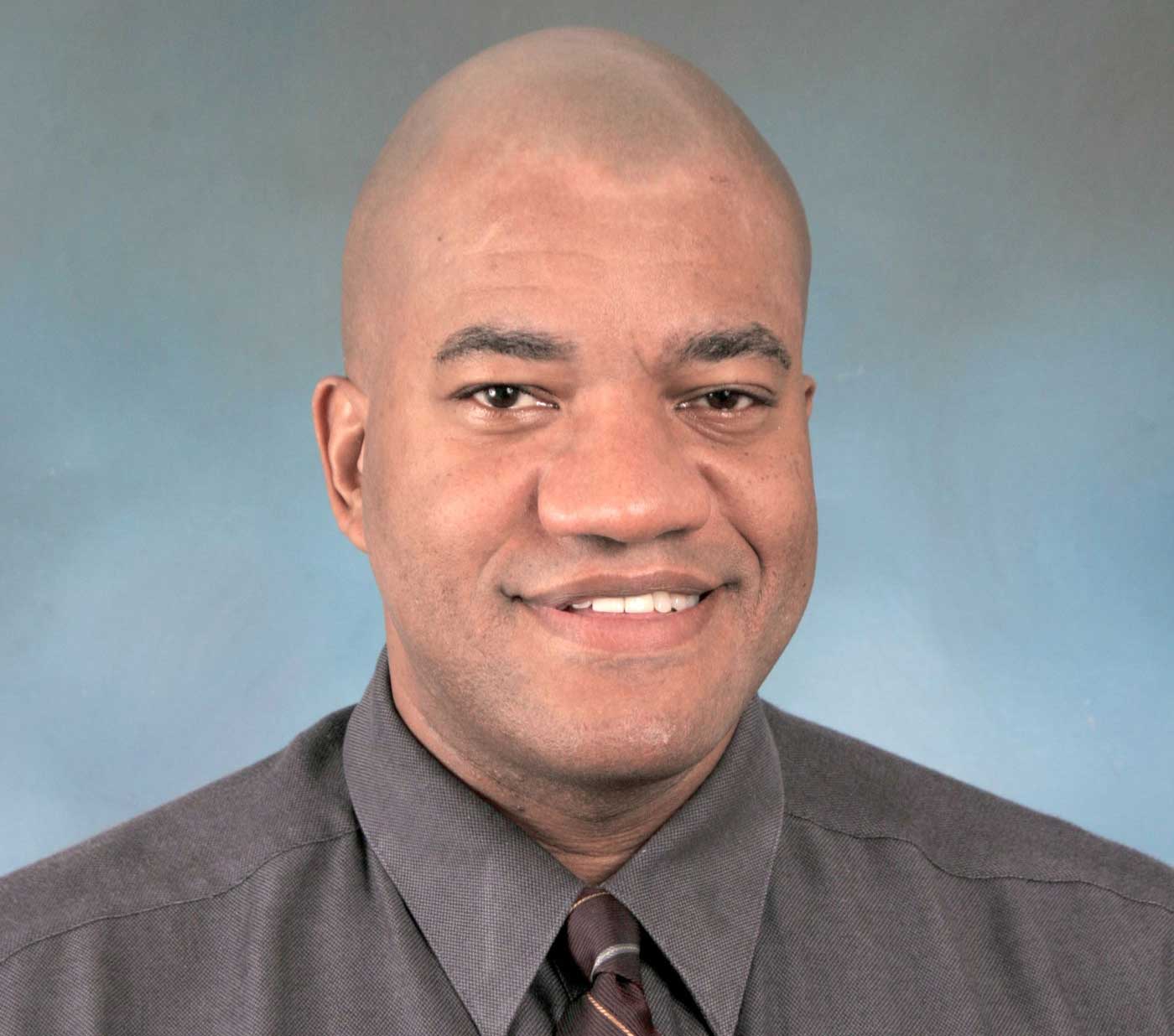
Cayman’s most prominent mental health expert has added his voice – and his signature – to a campaign to decriminalise cannabis.
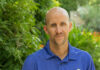
Dr. Marc Lockhart, chairman of the Mental Health Commission, is supporting efforts to make cultivation and possession of the substance legal for personal use.
He told the Cayman Compass he believes the current approach of criminalising cannabis users is not working either from a health or a law enforcement perspective.
Lockhart argues that energy and funding expended catching and detaining cannabis users could be better spent treating serious substance abuse of all kinds.
He has signed a petition calling for a national referendum on the issue and is providing support and advice to the organisers of the decriminalisation campaign.
Lawyer Orrie Merren and businessman Prentice Panton are collecting signatures, with the aim of triggering a people-initiated referendum. They need to collect almost 6,000 names – 25% of the electorate – to compel government to hold a vote on the issue.
Lockhart said he had been one of the first people to sign.
He said, “Decriminalising cannabis would allow for us to focus on treatment of drug addiction, dependence and abuse, rather than prosecution and punishment. That approach has not worked.”
Merren hopes the support of Lockhart, and other experts, will help persuade anyone who is unsure about cannabis use that there are strong scientific and medical arguments for a more lenient approach.
He said the aim of the petition was to allow the public to decide on what he believes is a key issue for Cayman.
“I personally believe this is an issue where the people should have a say. I went ahead and circulated a petition and I believe we will be successful in a matter of months,” he said.
Merren has drafted sample amendments to the Misuse of Drugs Act, which he has shared with Cabinet, that would allow for personal possession of up to two ounces of cannabis and home cultivation of up to five plants. It also includes scope for regulations for education and treatment of substance abuse, especially for minors.
He added that he would not object to government holding its own referendum or simply bringing similar legislation forward without the need for the petition.
Cannabis-related arrests
Lockhart said he is not advocating a free-for-all, but believes personal use of cannabis by adults in their own homes should not be a criminal offence.
He highlighted statistics showing 700 arrests for cannabis-related offences between 2016 and 2020 in the Cayman Islands, arguing that too many young people are being pulled into the criminal justice system unnecessarily. He believes a more lenient approach would free up police resources to deal with more serious matters.
Lockhart describes himself as a convert to the cause, saying studying research and evidence had led him to believe that cannabis does have numerous health and therapeutic benefits when used appropriately. He said decriminalising cannabis would also allow for more consistent supply lines for people who need it for medical reasons.
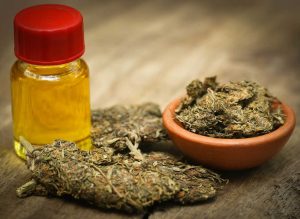
Citing the experience in other countries that have relaxed laws on cannabis, he said, there was no evidence that doing so would lead to a surge in use.
He believes it will have the opposite effect of bringing discussions about substance use and abuse into the open, and encouraging people who have dependency issues to seek help without fear of being prosecuted.
Surveys from the National Drug Council show that young people are already smoking cannabis. Lockhart argues that treating this as a health problem rather than a crime issue will be more effective.
He added, “For anyone who doesn’t agree with this, I ask them to look with their eyes wide open at what is actually happening right now, and you will see that something has to be done. Decriminalisation will reduce the black market effect.”
‘Fundamental human rights’
Merren, who is leading the campaign for a referendum, also believes current criminalisation of cannabis use impacts personal freedom and privacy.
“There are fundamental human rights that can’t be denied,” he said.
He cited court judgments in Commonwealth counties, including St. Kitts and South Africa, that indicated prohibiting personal use of cannabis interfered with constitutional rights to privacy and freedom of conscience.
Merren has drafted sample legislation, similar to that enacted in Jamaica and Bermuda, that he believes could form the basis for reform in Cayman.
He said he had been researching legislation and case law on the issue since Jamaica amended its Dangerous Drugs Act in 2015.
“I got to the point where I felt very comfortable from a legal, medical and social standpoint in moving ahead,” he said.
Merren insists he is not looking for a confrontation with government. He said several MPs had expressed support for decriminalisation of cannabis during the campaign. He believes the petition from the people, circulating since last April but publicly launched in October, will demonstrate the issue has broad support.
“I want to help government as a private citizen on issues where we have kicked the can down the road for too long,” he said.
The petition is available to sign at Reflections and Liquor for Less stores, as well as Silversides Restaurant.
Related Videos






Then be prepared to deal with schizophrenia in your youth population. I”m sure you know the two are definitely related. It is quite the sacrifice.
Long term use of cannabis can cause many serious problems including mental illness. Legalisation may give relief to the police and legal system, but it will only transfer this burden to those involved in psychiatric care. We do not need more mental patients we have too many already.