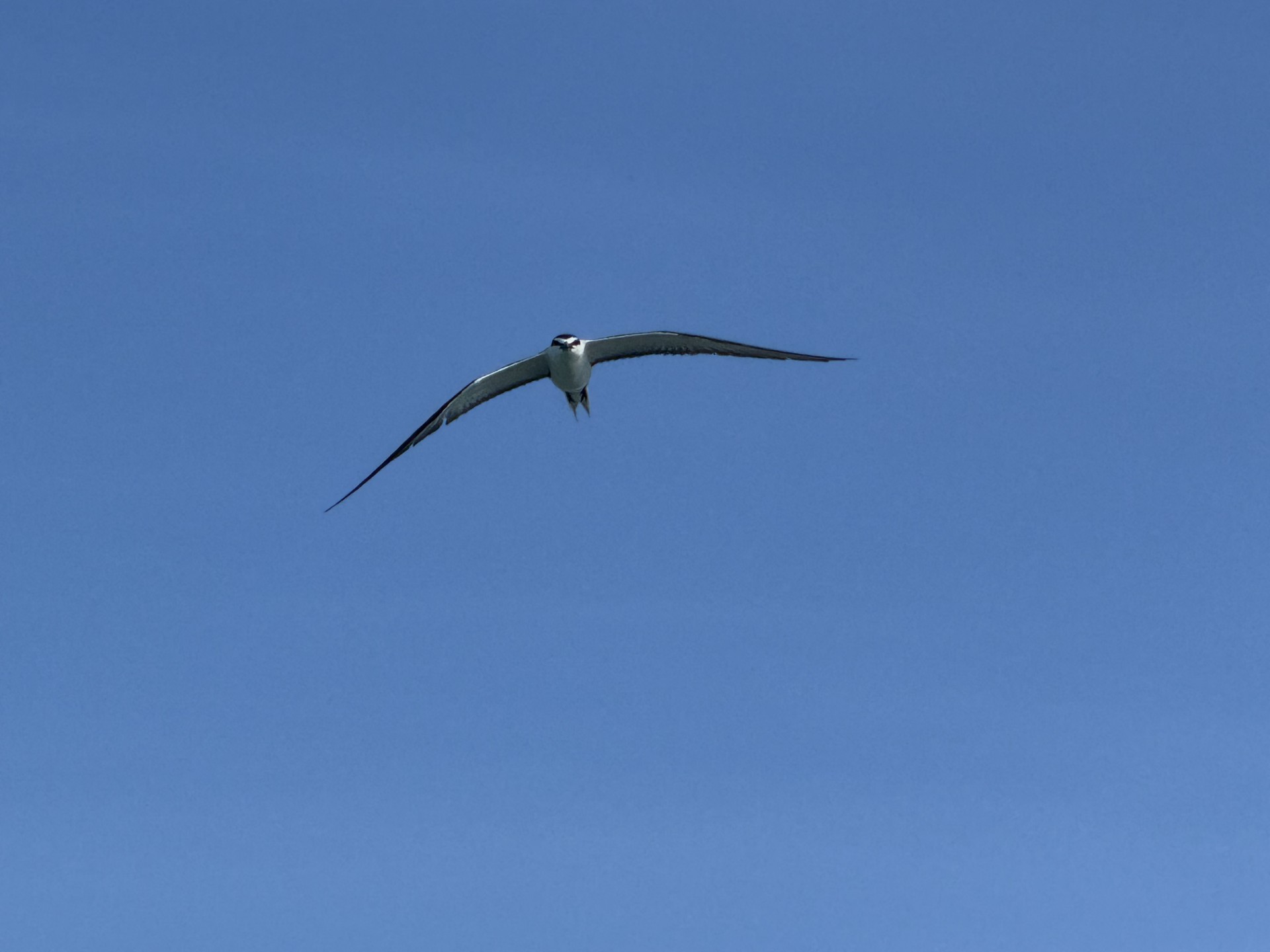
On a low, shifting patch of sand and coral rubble just off South Sound, one of Cayman’s smallest seabirds is carrying out one of nature’s most delicate balancing acts.
The least tern, barely 9 inches long and weighing about as much as three AA batteries, returns to Cayman each spring to nest. For much of the year, these birds range through the Caribbean and northern South America. But from May to August, Sand Cay becomes their nursery.
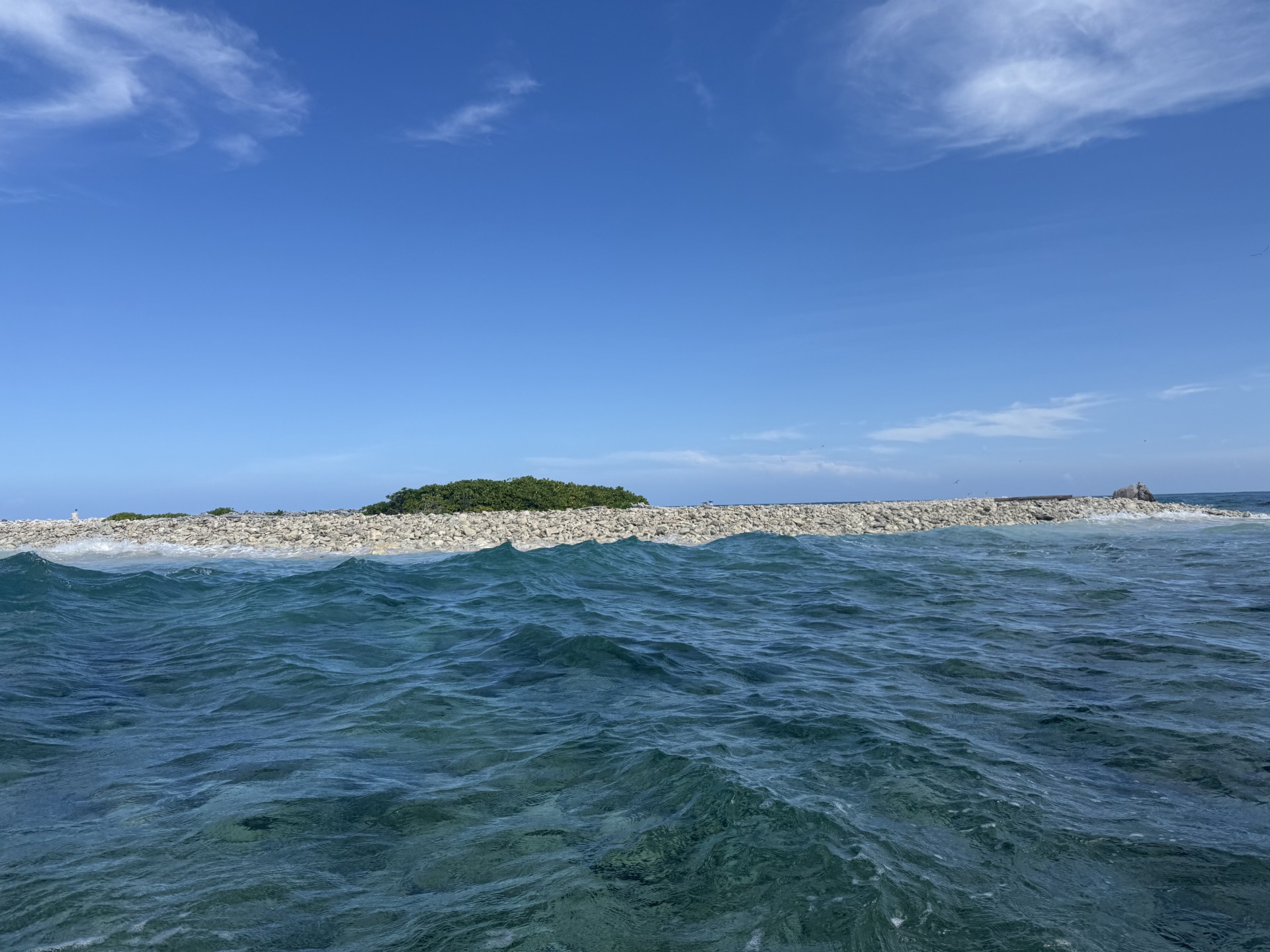
Jane Haakonsson, research officer with the Cayman Islands Department of Environment, said Sand Cay is now the most important breeding site for least terns in Cayman.
“Sand Cay was Crown owned and we got it designated as a protected area on Earth Day in April this year, so it was great news for us all,” she said.
The designation recognises the cay’s importance, but Haakonsson stressed that it should not be confused with the wider seabird conservation plan, which is still awaiting Cabinet approval.
“A protected area means that we’re looking out for the natural resources there,” she said. “The protected area needs a management plan that we haven’t written yet.”
For now, the central message is simple: between May and August, people should stay off Sand Cay and give the birds space.
Landing on Sand Cay prohibited during nesting season
“The Sand Cay will still be available for public use, but not from May to August,” Haakonsson said. “No one should land on the cay and [people should] provide a 100-foot buffer zone when passing the island.”
That buffer matters because least terns are ground-nesting birds. They do not build a nest in the way most people imagine. Instead, they make a shallow scrape in sand, coral rubble or shell fragments and lay speckled eggs directly on the ground.
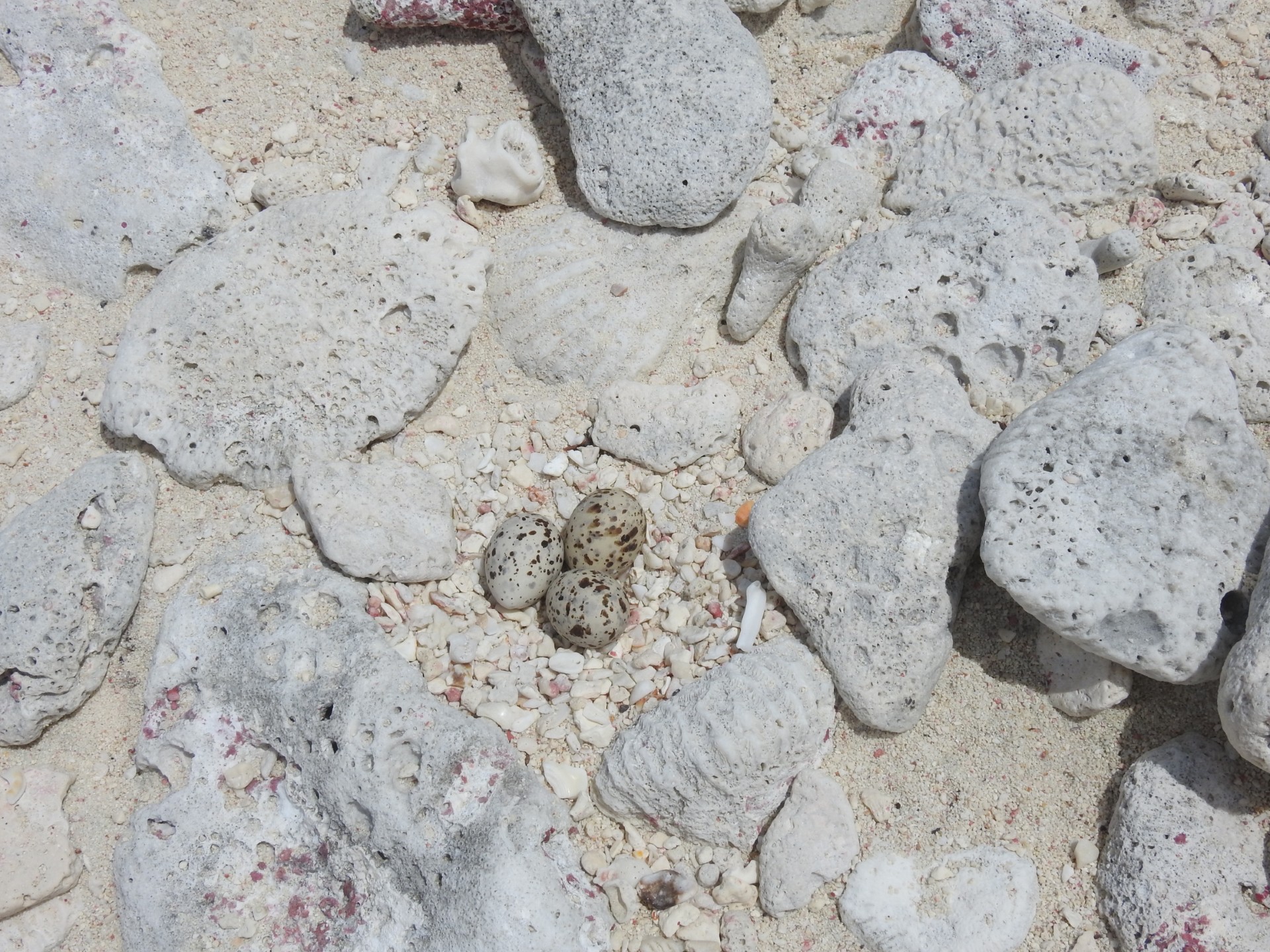
“It is just a small indentation with rubble all around, no twigs. They don’t build anything,” Haakonsson said. “The least tern nests are extremely camouflaged, very hard to see, even if you’re standing on top of a nest with eggs between your feet.”
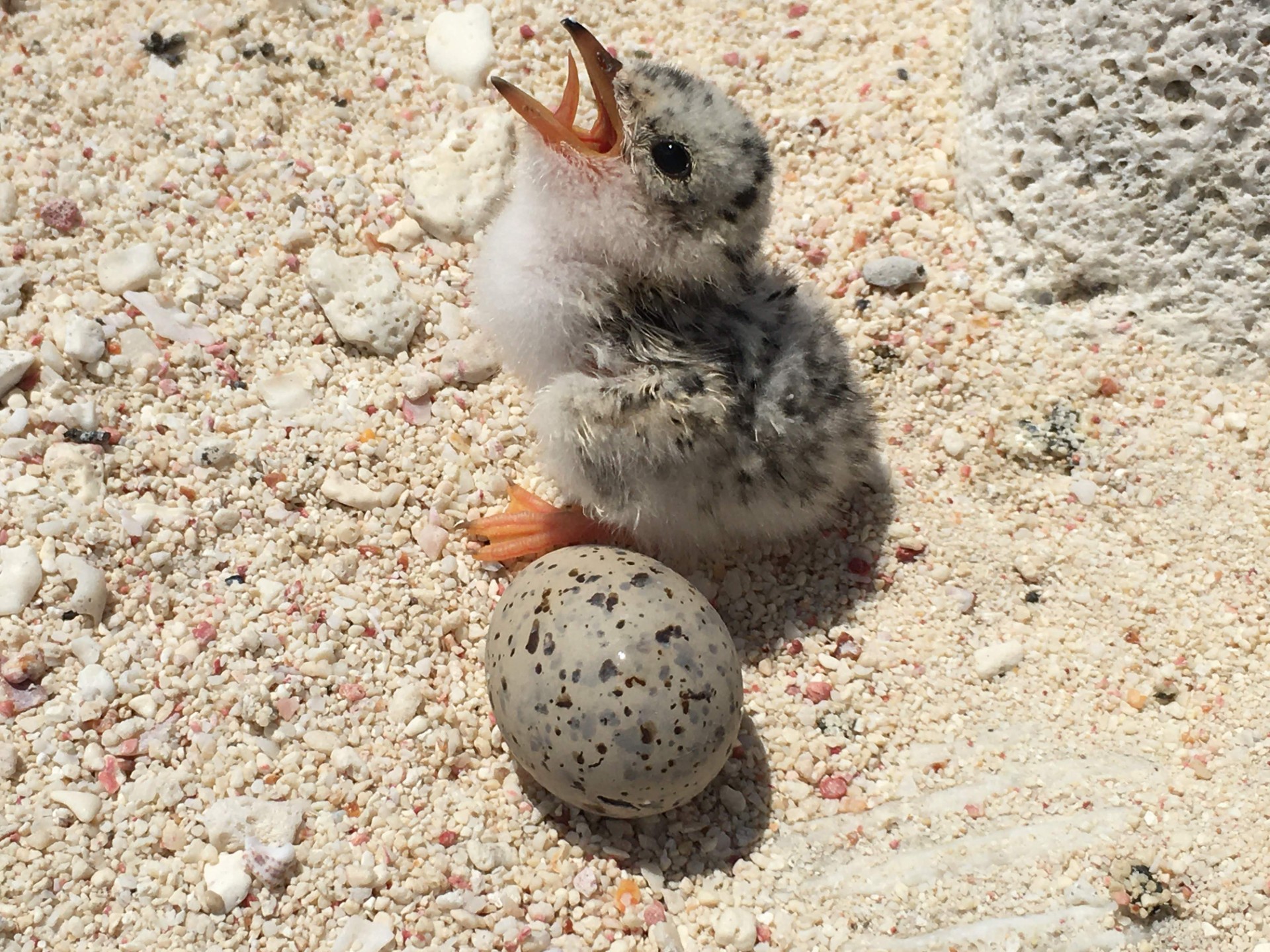
The chicks are just as hard to spot. When they hatch, they are covered in mottled cream, grey and brown down that blends almost perfectly with the cay. Their instinct is not to run, but to crouch low and hide on the ground.
At this time of year, many eggs are hatching or close to hatching. Within hours, the chicks can walk, but they remain vulnerable to heat, weather, predators and disturbance. If adults are flushed from the nest by people, boats, drones or dogs, the eggs and chicks can overheat quickly in the tropical sun.
“Basically, what we’re trying to do is look out for the terns, especially when they’re nesting,” Haakonsson said. “At that time, they are super vulnerable.”
Sand Cay has carried most of Cayman’s breeding least tern population in recent years. Surveys recorded 112 pairs in 2019, 117 in 2020 and 90 in 2021. Haakonsson said the annual count is usually around 80 to 100 pairs, though the highest recorded during her monitoring was about 150 pairs.
Trying to reversing downward trend in numbers
“Unfortunately, we are down to 80 pairs on the cay this year,” Hakonsson said. “So, we’re hoping that either they have satellite populations elsewhere, or, now we have the area protected, that this will go back up in the following years.”
The species is not globally endangered. Least terns breed across the Americas, from North American coastlines and inland river systems to the Caribbean and parts of northern South America. But in Cayman, the picture is more fragile. Most of the local breeding population depends on this one tiny cay.
That cay itself is not fixed. Sand Cay moves, shrinks and changes shape under the force of storms and waves. When the Department of Environment nominated it for protection, historic aerial images were used to account for those shifts.
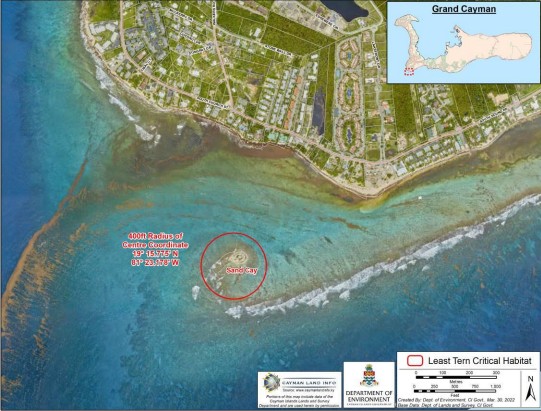
“What we had to do … was to look at the historic imagery, because the cay moves and changes over time,” Haakonsson said.
The birds face hazards from every side. Heavy rain, high tides or rough seas can flood nests. Frigatebirds, gulls and other predators may take eggs or chicks. Trash washes ashore. Green iguanas have been seen reaching the cay. Rats and cats are wider threats, and human disturbance remains one of the most preventable dangers.
“Seabirds have it both ways,” Haakonsson said. “Both the threats of the ocean, as well as the threats of the land.”
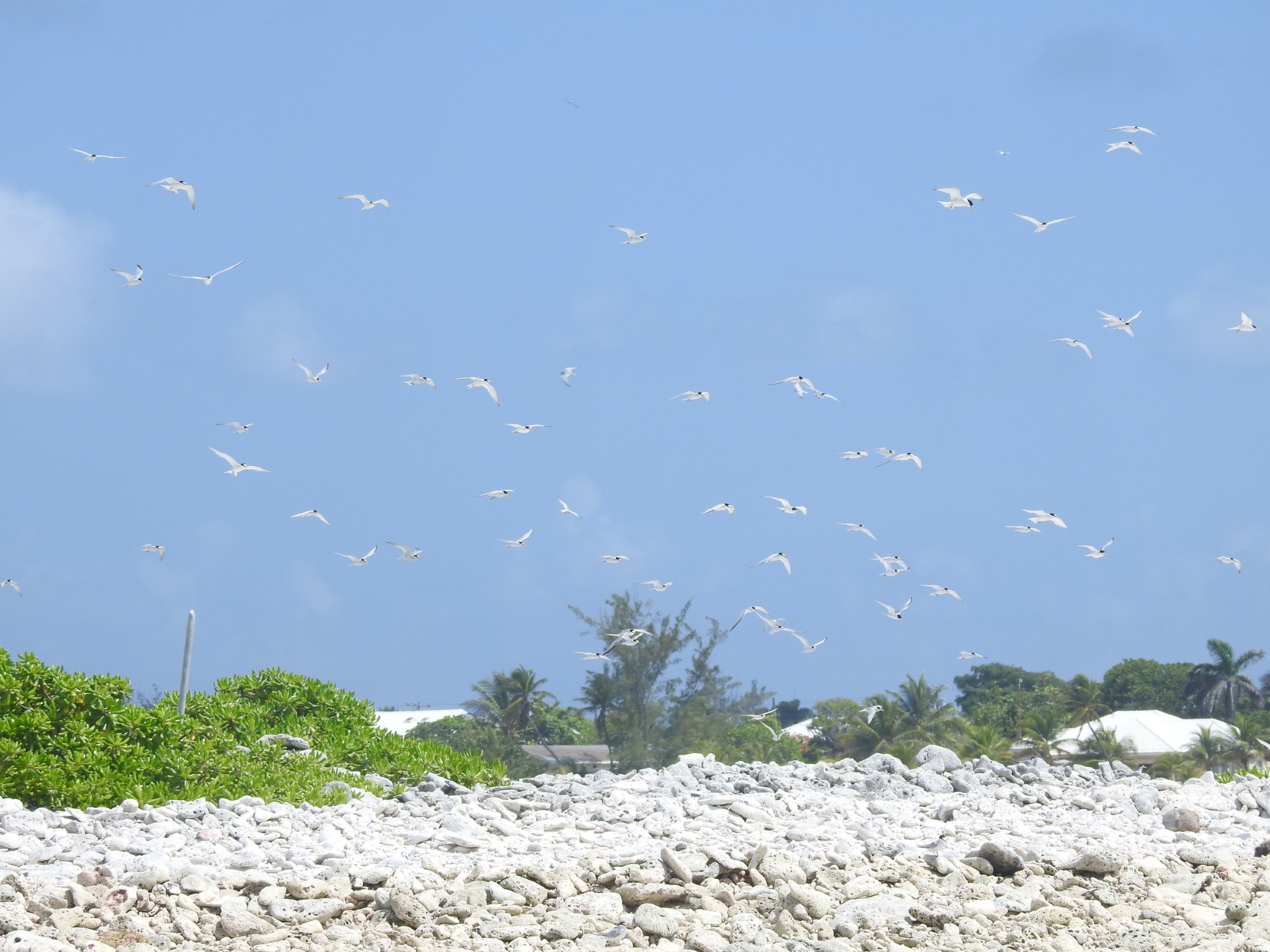
Yet, from a respectful distance, the colony is one of Cayman’s great wildlife spectacles. Adult birds wheel overhead with sharp calls, then race back to the shallows to hunt. They hover, fold their wings and plunge into the water for tiny silversides, sprats and other small fish, returning one fish at a time to feed their chicks.
Seabirds are part of Cayman’s character
For generations, Cayman’s fishermen understood this relationship.
“Historically, the fishermen in Cayman know that where the seabirds are, that is where the fish are,” Haakonsson said. “You watch them in their aerial displays, and they always come home from the sea. It is like a real sense of hope in terms of the connection to the land.”
She said seabirds are woven into Cayman’s identity as a seafaring nation.
“We have a responsibility to look after these animals that have been here long before we have,” she said.
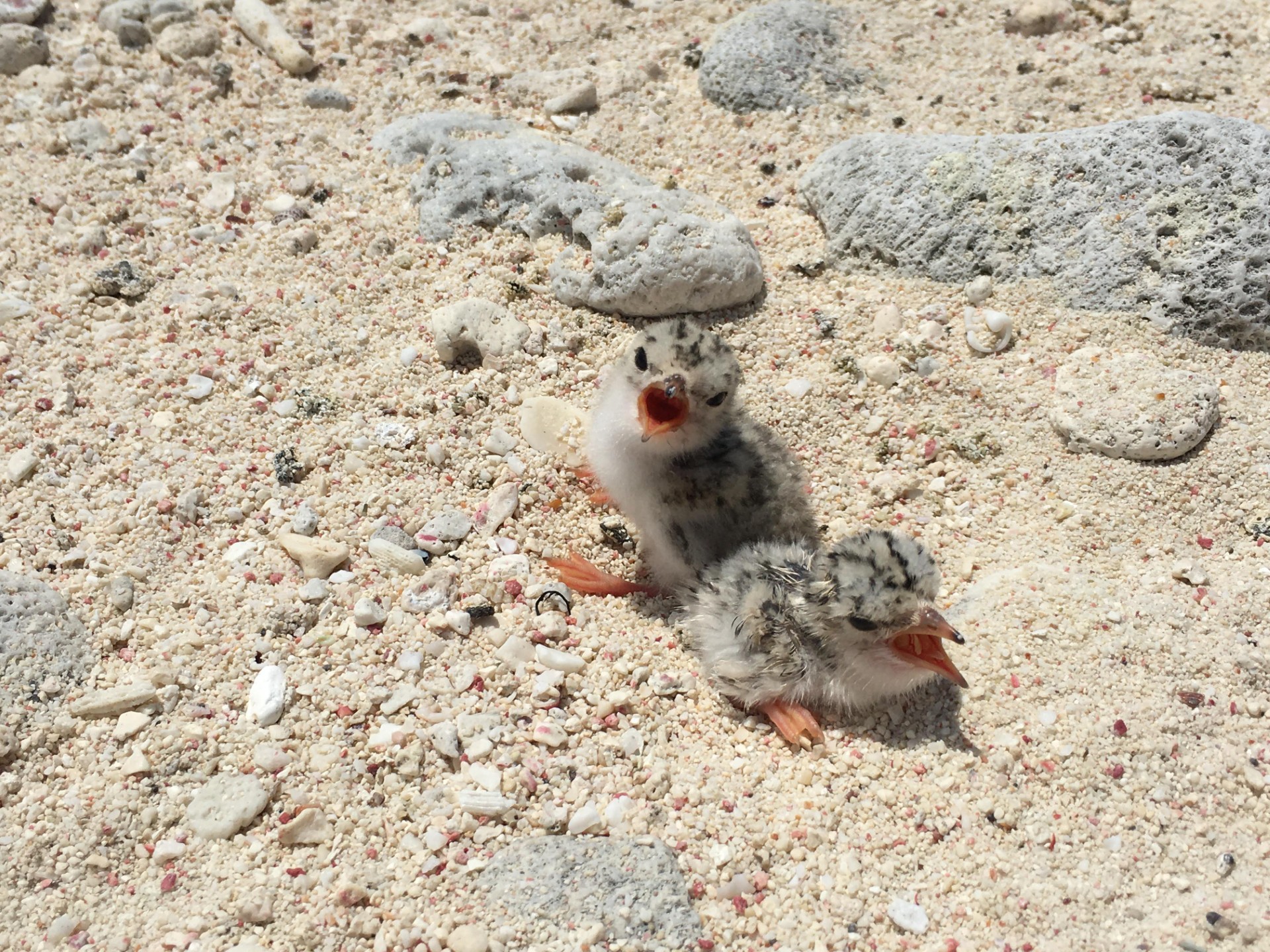
For an island country celebrated for reefs, turtles and clear blue water, the least tern is a reminder that some of Cayman’s most important wildlife also depends on tiny, windswept places that can be easy to overlook.
Every chick that leaves Sand Cay at the end of the summer is a small conservation success. After surviving storms, predators and the many hazards of life on an exposed cay, it will soon set off on an extraordinary journey across the Caribbean. If it survives, instinct may one day bring it back to the same shifting sand on the southwest point of Grand Cayman where it hatched; continuing a cycle that has played out for generations and one that depends on protecting this tiny island for a few months a year.
Related Videos