

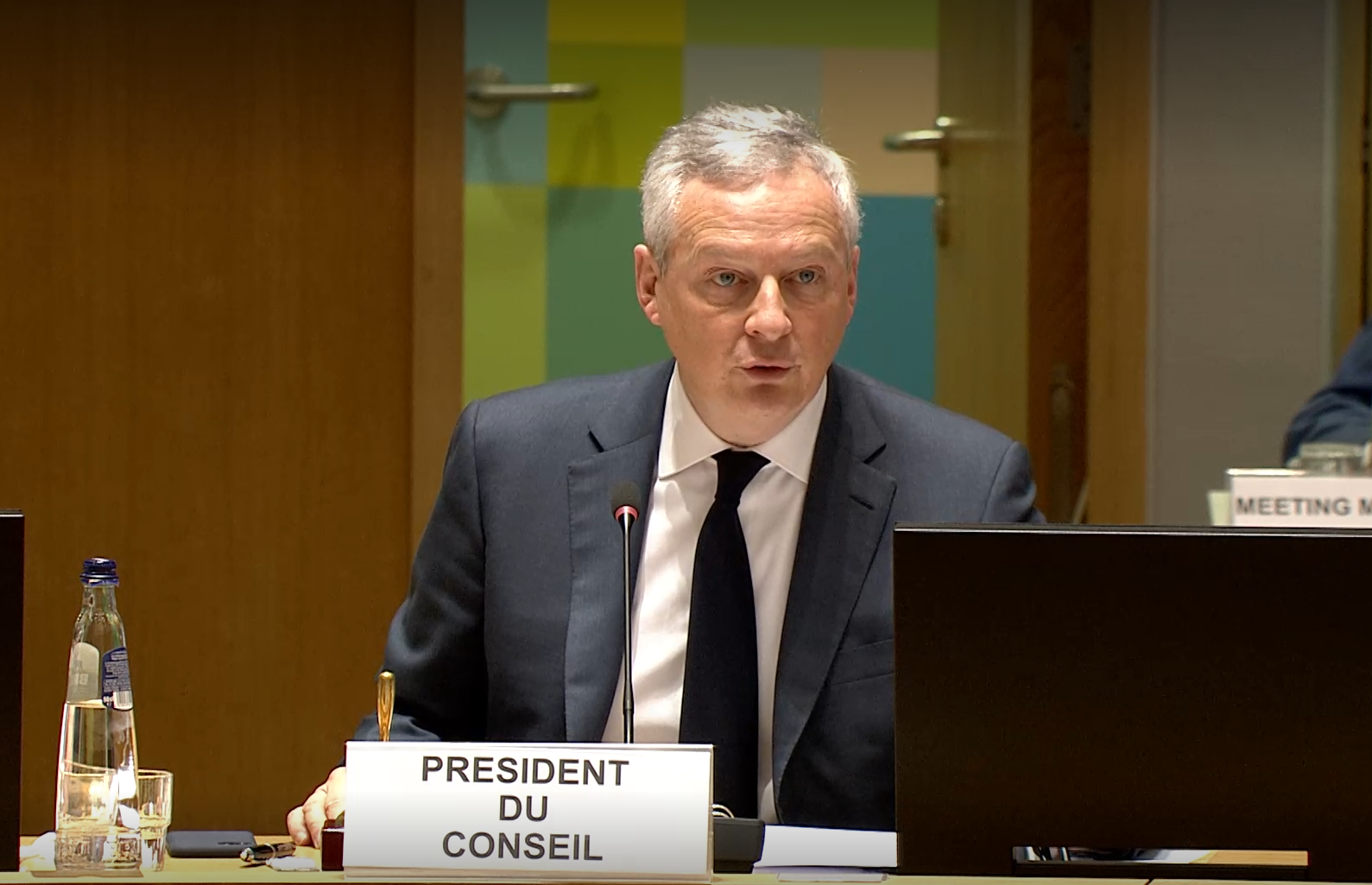
At an EU Council meeting on Tuesday, several European Union finance ministers cast doubt on the bloc’s plans to be among the first to adopt rules for a global minimum corporate tax rate of 15%.
Under the French presidency, the EU Council has given the matter high priority. French Finance Minister Bruno Le Maire said on Tuesday that the EU had been the driving force behind the project and should be first to adopt it.
Le Maire plans for EU members to adopt a directive to ensure a minimum level of tax for EU multinationals at the EU finance minister’s next meeting on 15 March. This would give national parliaments sufficient time to transpose the directive into national legislation so that the tax rules could come into force EU-wide in January 2023.
The minimum levy, agreed by 137 countries in negotiations led by the Organisation for Economic Co-operation and Development, is part of wider corporate tax reform plans that address the challenges of taxing large tech companies and other multinationals that have increasingly digitalised their businesses.
The measure is aimed at undermining the ability of companies with an annual turnover of more than US$850 million to use zero- and low-tax jurisdictions to minimise their tax bill.
The so-called Pillar Two measures would mean that those companies pay a minimum effective tax rate of 15% on their profits booked in low-tax and zero-tax jurisdictions, with carve-outs for real, substantial activities.
In practice, governments are still able to set local corporate tax rates but if a company’s subsidiaries pay a lower tax rate than 15% in a specific country, the group’s home government could ‘top-up’ the taxes that are due to the minimum rate.
The minimum tax is connected to Pillar One, which partially reassigns the rights to tax the largest multinationals with a turnover of $20 billion or more, not only based on where they are tax-resident but also where they are making sales and generating profit.
While the rules for Pillar Two have been adopted, technical work is still ongoing on Pillar One.
Le Maire said it was important for the reputation of all EU governments to adopt the directive quickly without having to wait for the OECD technical discussions on Pillar One to conclude.
However, the Polish and Hungarian governments disagree.
Poland’s Finance Minister Tadeusz Koscinski said Pillar One and Pillar Two were inherently linked and could not be separated at the EU level. Unilaterally adopting the minimum tax would undermine Europe’s competitiveness.
“It is important to ensure that both pillars start functioning at the same time,” he said.
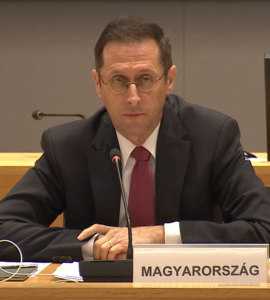
Hungary’s Minister of Finance, Mihály Varga, made a similar point, arguing that if the EU were to implement the minimum tax rate it would lose its political leverage on third countries to effectively implement Pillar One.
He said the presidency’s intention to finalise the directive in the first quarter and start applying the rules from January 2023 was too ambitious.
“The complexity of the method requires member states to have sufficient time to analyse and implement a directive. Taxpayers including multinational and domestic groups also need sufficient time to be able to establish new compliance procedures and prepare for the application of the new rules in practice,” Varga added.
Because the directive concerns tax matters, it has to be unanimously supported by all EU governments to come into effect.
At a press conference after the meeting, Le Maire said the Pillar One and Two were part of a package but legally different. In any case, both parts of the OECD agreement were set to be implemented by January 2023.
Related Videos













Translation: Oh, sorry, we thought this was like a climate change treaty commitment. We say it but don’t rush to actually do anything.