

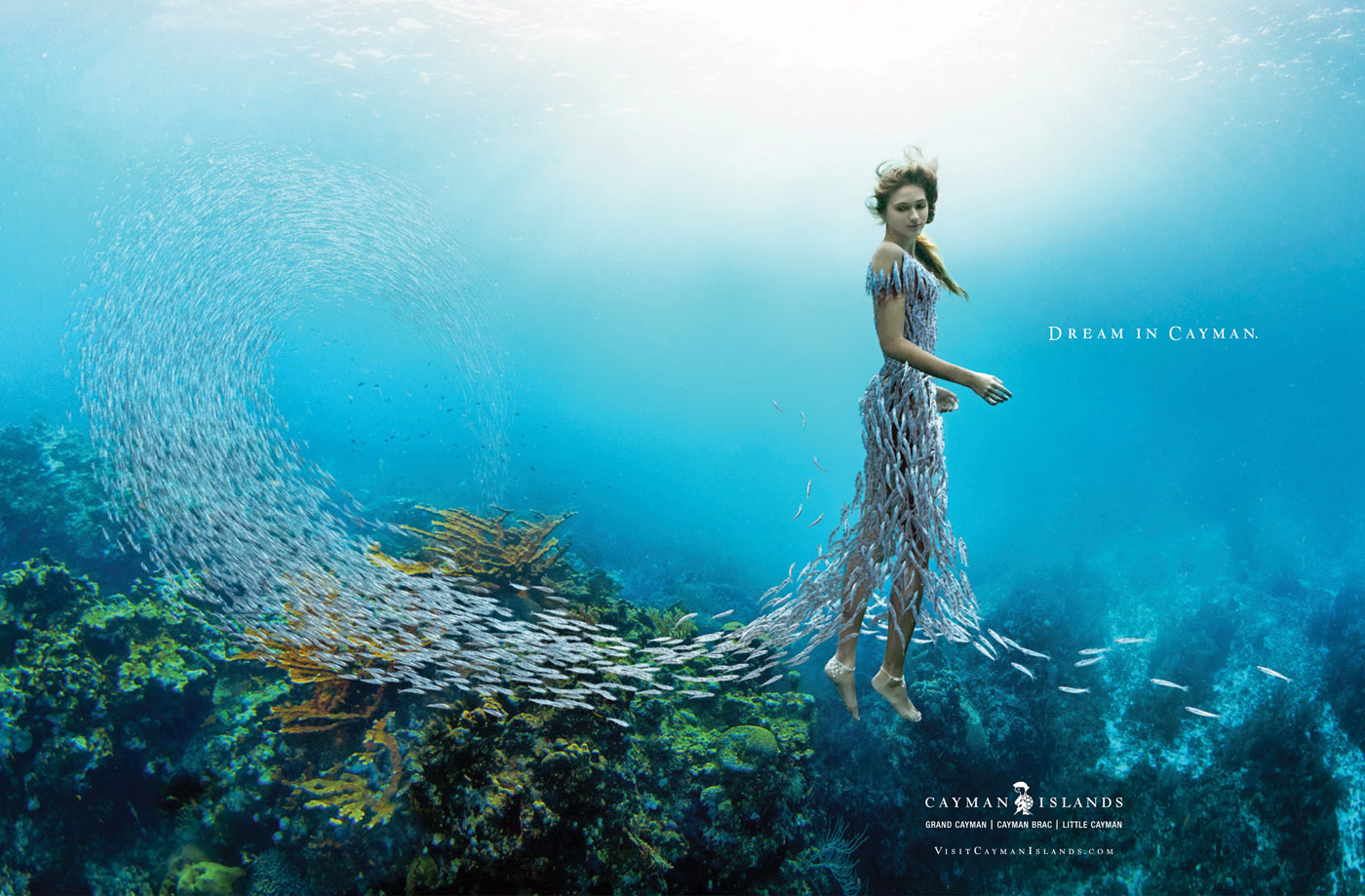
For the past two years, Rosa Harris has had one of the most difficult jobs in tourism – marketing the Cayman Islands to people who couldn’t come here.
The Department of Tourism was in the midst of its elaborate ‘Dream in Cayman’ campaign when the pandemic struck, the airport closed and the island locked down.
At that time, the messaging out of Cayman “went dark”, says Harris, the islands’ director of tourism.

No one could travel and the world’s focus was almost entirely consumed by the pandemic so it made sense, she says, to keep the marketing dollars for another day.
The challenge as travel resumed elsewhere and Cayman remained closed, was to keep the island in people’s minds at a time when they could not visit.
The marketing slogan quickly evolved from ‘We will be reunited’ to ‘Cayman is worth the wait’ – campaigns that sought to keep the destination in travellers’ hearts and minds while they remained largely barred from entry. Since the announcement of government’s five-stage reopening plan last year, the catchphrase has been ‘Prepare for departure’.
It was a tricky balance, says Harris, to entice people to Cayman without stoking frustrations about the rules of entry. While some were willing to negotiate the paperwork and testing requirements, the feedback from others was, “We want a holiday, not homework.”
Government’s decision to drop its post-arrival testing regime, announced on 17 Feb., significantly changes the dynamic, lifting one of the key barriers to tourism’s return.
So, is it now simply a matter of rolling out the welcome mat and letting the sun, sea and sand speak for itself? Not quite, says Harris.
From boomers to resilient travellers
A sophisticated targeted marketing campaign takes time to put together, and Cayman is still computing the consequences of COVID for its key markets.
Baby boomers, in the most vulnerable age bracket for the virus, may be more reticent to travel, Harris cautions. And the appetite for overseas vacations among families with young children – another key group for Cayman – may also have declined amid the risks from COVID and the limited availability of vaccines for that age group.
The strategy, for now, is focussing on wealthy and ‘resilient’ travellers – a new industry buzzword for those who are willing to navigate inconvenience for a priority destination.
That’s a pivot for Cayman, that acknowledges the possible loss of previously loyal repeat customers.
“We have, in the time that we were locked down, lost legacy business from families that came here every year and booked for the next year before they checked out,” Harris acknowledges.
Turks and Caicos, which was quick to reopen after the pandemic, may have picked up some custom from Cayman.
Over the longer term, Harris believes those customers will come back. But diversifying the islands’ visitor base to include younger travellers, in search of experience or the dazzling backdrop to the perfect selfie, is part of the strategy.
The film and television industry and sports tourism are seen as key niche markets that have potential to expand.
New frontiers
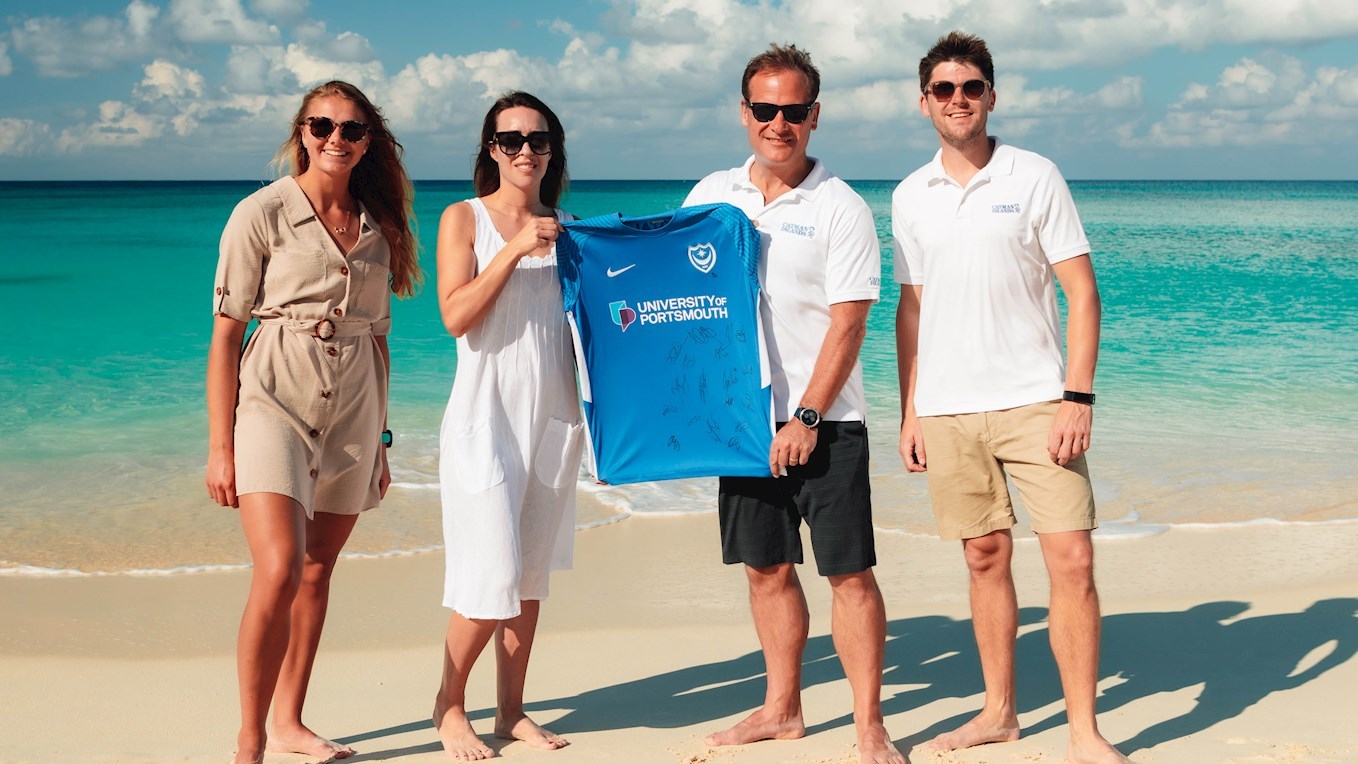
There have been some curious sponsorship agreements announced – with Portsmouth football club, Porsche racing cars, the Cheltenham cricket festival and a Chicago-based luxury leather bag brand – as that approach evolves.
All those deals, Harris says, align with the islands’ affluent branding, and signal a planned expansion of the UK market, which still provides a relatively small percentage of visitors. Germany could be the next frontier as Cayman broadens its reach geographically as well as demographically, she adds.
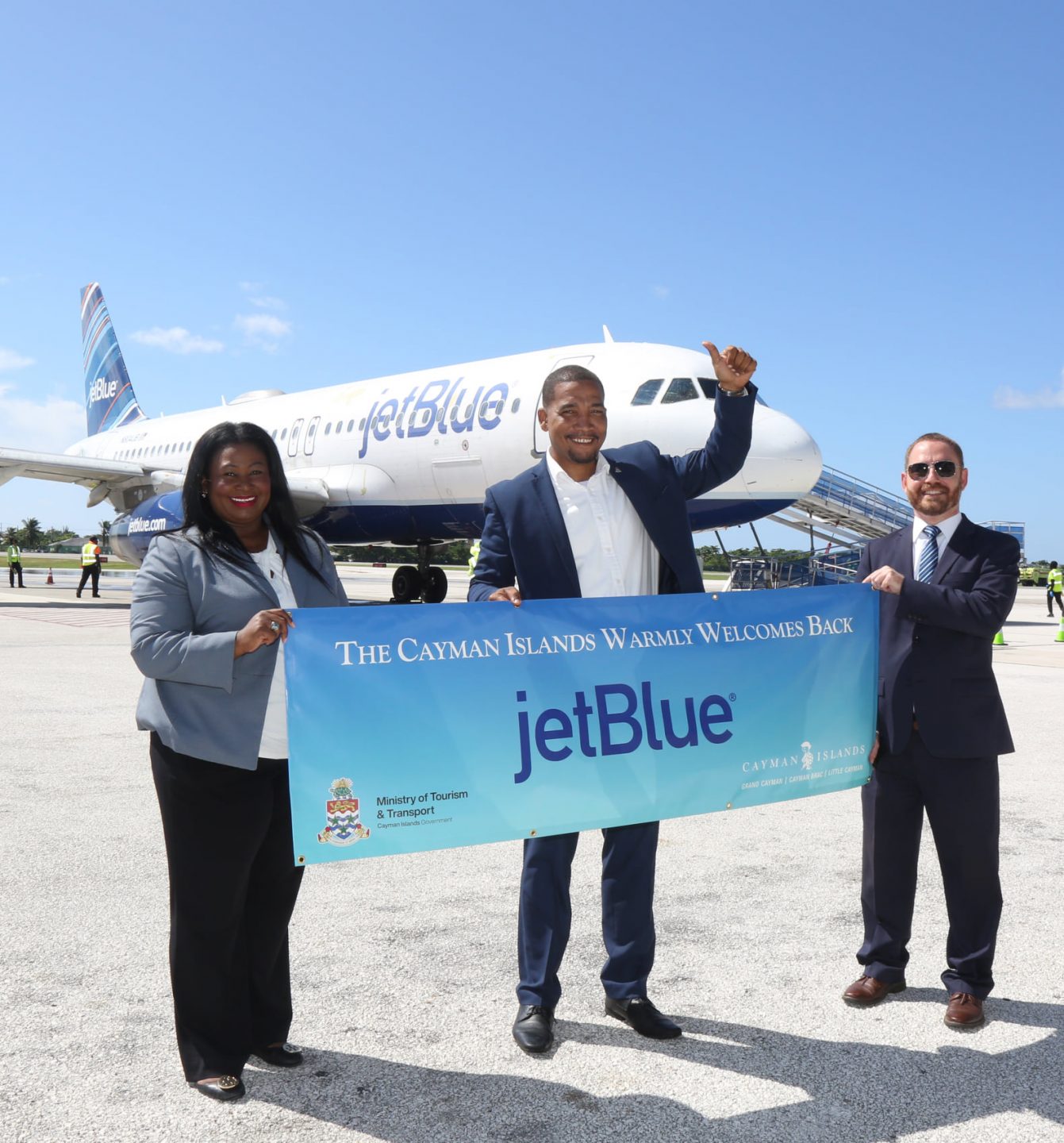
Harris says this year would be about re-establishing Cayman’s foothold in the tourism industry – in terms of both logistics and marketing. The hope – if there are no further setbacks surrounding COVID-19 – is to re-establish strong airlift and let people know the islands are back in business.
“We want to ensure that we get as many international journalists here as possible for them to see that the product is still pristine and the service is great,” she says.
Value of tourism
Harris acknowledges there may have been some disconnect, with Caymanians not feeling part of the industry’s success pre-pandemic.
She hopes the training and recruitment that has taken place over the past year may see more local people get directly involved.
But she points out that many Caymanians in the public and private sector, including herself and her Department of Tourism team, hundreds of taxi drivers and boat operators and the large Cayman Airways staff and crew, are all a big part of the industry.
Beyond that, she says, a host of ancillary services, from event planners and beauty salons to massage therapists and even babysitting services, get a big part of their business from tourism.
“Even if it’s not your core business, it might be 10% or 20%,” she adds.
“Tourism is very important to Cayman.”
Related Videos










It is going to be difficult for CAYMAN to attract new tourism if they keep their hotel prices astronomically high as they currently are, and even projecting throughout the year prices are still incredibly high, comparatively to pre-pandemic. The Hotel industry really need to look at that, I understand of course they lost a very large amount of revenue during the pandemic, however jacking up the prices to asinine levels is not going to get them tourists, they will go to a different island with more reasonable accommodations regarding price
Great to see this ramping up. I love the plan about diversifying who you go after for tourism. The idea that the people who left will automatically come back is very misguided. I was a quarterly visitor before Covid and have many friends who also were. While Cayman stayed shut down, they discovered Turks, Anguilla, Baha Mar, and several other upscale islands/resorts.
Those people will come back – but now they will split their travel. Don’t be shocked if they only come back at 50% of their previous level – now that their eyes are opened to other places. Diversification and going after new tourists is key.
The plan to target only the well-heeled tourists is very flawed. They are the ones with the means to reach other luxury island resorts and they are the very ones NOT coming back at 100% pre-covid level. Further, the key Seven Mile Beach high end hotels are pricing as if their is no pandemic. I know you want to be Rolls Royce, but that is not reality. If they keep their daily rates at $1,100 to $1,400 per night your big hotels will remain at 25% occupancy.
Swallow your pride and offer deals for the next 6 months – stay 5 days get 2 free. That way you can keep the nominal rate but still offer incentives for guests to come back.
If you stay stubborn thinking everyone is automatically coming back or you don’t have to deal you will never even get to 60% of pre-covid tourists for several YEARS, not months. Don’t fool yourself into thinking it was only the testing keeping people away. Cayman has been open for several months and the island is EMPTY
Act now before the tourists make their covid-alternative choices their main choices!
Focusing on our “wealthy visitors” and offering a “pristine product” will not work if we open the floodgates to hordes of cruisesheep again. Strict passenger limits and allowing only the upmarket ships to visit is essential to attracting our stayover visitors. We need to develop our islands not quite as “the islands time forgot”, but rather rather as “the islands mass tourism forgot”.
Spending money on UK football and cricket does not make sense, the UK is not a market for Cayman, our UK visitors are 99% family or business related. The Brits can get holiday packages in Florida from BA including hotel and car hire for little more than half the cost of a BA ticket to Grand Cayman. They also have a choice of super cheap holidays in Europe where the sun is guaranteed and sand beaches are plentiful.
Good point – do you want upscale or cruise ship?
ALso, tourists don’t like wasting all their time in traffic which is getting worse by the day even without tourists plus half term for schools. It took me half an hour to get from Galleria to south Sound yesterday!
Government needs to start continuing with road projects to enhance traffic flow.
Reinvigorating Cayman’s tourism position will take more efforts than ‘knee-jerk’ campaigning. The idea to save tourism dollars during the peak of the pandemic was not the best as one of the fundamental goals in Marketing is always to stay ‘front-of-mind’…even in a pandemic or crisis. Change the message…but keep the brand alive to build resilience. If that was done, it would require less efforts and time to recapture that market position in the global travel industry.
Targeting high net worth (HNW) travelers is quite restrictive for such a small island with limited tourism product to offer. What are the USPs? Do they align with the needs of HNW segments? How does Cayman compare to its competitors in these HNW segments? What are you selling?
From a layman’s point-of-view, you have to get back to basics and start from the bottom up. There are people out there (here) who have never heard of the Cayman Islands. Think of the Marketing Funnel and apply that to your strategies.
Btw…attending industry events and courting media are just few inbound strategies that do not guarantee success at this stage. You will have to crush the gas pedal to reach your goals by aggressively deploying an integrated marketing strategy. The question is: is the DoT capable of conceptualizing and deploying such initiatives OR does the Ministry of Tourism need a specialized task force of talented STRATEGISTS to achieve this resilience?
I love Cayman and I would hate to see the islands lose-out…