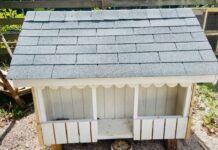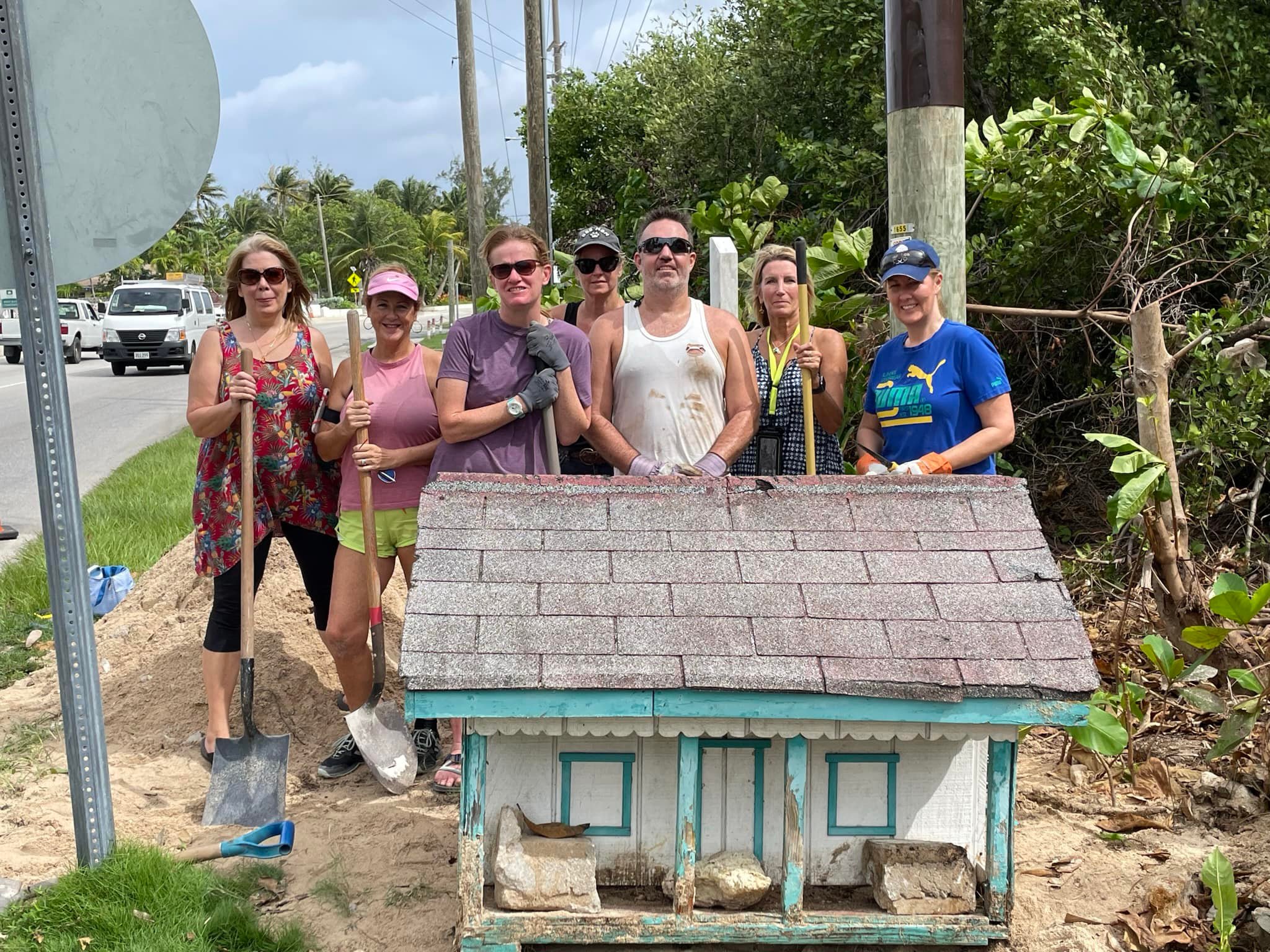
When Fiona Jackson visited Cayman two years ago, she could not help but be charmed by the sight of three tiny Cayman cottages that dot a stretch of roadside in West Bay.
The little houses, each about three feet high, were built by David Smith for Alice Mae Coe in the mid-to-late 2000s.
The once-pristine and pretty structures have fallen into disrepair over the years, with storms, flooding and the relentless sun taking their toll. The paint is peeling, the wood is rotting and the roofs are collapsing, and the miniature structures have become inundated with sand, earth and other debris.
Now, Jackson has galvanised renewed interest in the little houses and has marshalled a team of volunteers to restore them.
“I came to the island about two years ago when my grandson was born… I spent five and a half weeks here, and I would drive past the little houses when I was going to Vivo [restaurant in West Bay]. I thought they were so cute and typically Caymanian,” she said.
After moving to Cayman later in 2020, Jackson said she would stop and take a look at the blue and white wooden structures, and was extremely curious about them.
“I put a note on the Women in Cayman Facebook group saying I loved the houses and asked if anyone know anything about them, and that I’d love them to be made beautiful again. And I had such an incredible response – 25 people expressed interest in helping to restore them,” she said.
A few days later, eight people showed up to help clean up the houses, which were “covered in soil”, she said.
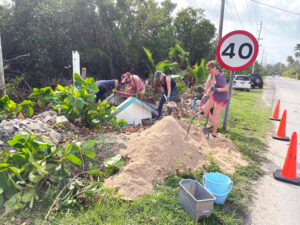
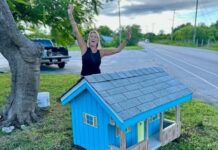
Volunteers dig free one of the miniature cottages on West Bay Road, near the fire station. – Photo: Fiona Jackson
One of the cottages, near the West Bay fire station, was almost completely covered and barely visible, but the team dug it free.
The next step in the process is restoring them to their former glory, and the original builder of the houses, Smith, now 75, has agreed to take a look at them and to fix them if they are salvageable.
A. L. Thompson’s has signed on as corporate sponsor for the project, and will be providing the wood, paint and other materials to fix up the tiny little cottages.
History of the houses
Originally, there were five of the houses in West Bay – one by West Bay Cemetery, one by the fire station, one by West Bay public beach, and two at Hell – but only three remain as the two in Hell are no longer there, according to Coe.
She had arranged to have the houses built by Smith, between 2005-2009 when she was a member of the Cayman Islands Beautification Committee.
“They were designed to be used as planters,” Coe said, “so they didn’t have a full roof or a back on them, so they could be filled with soil.”
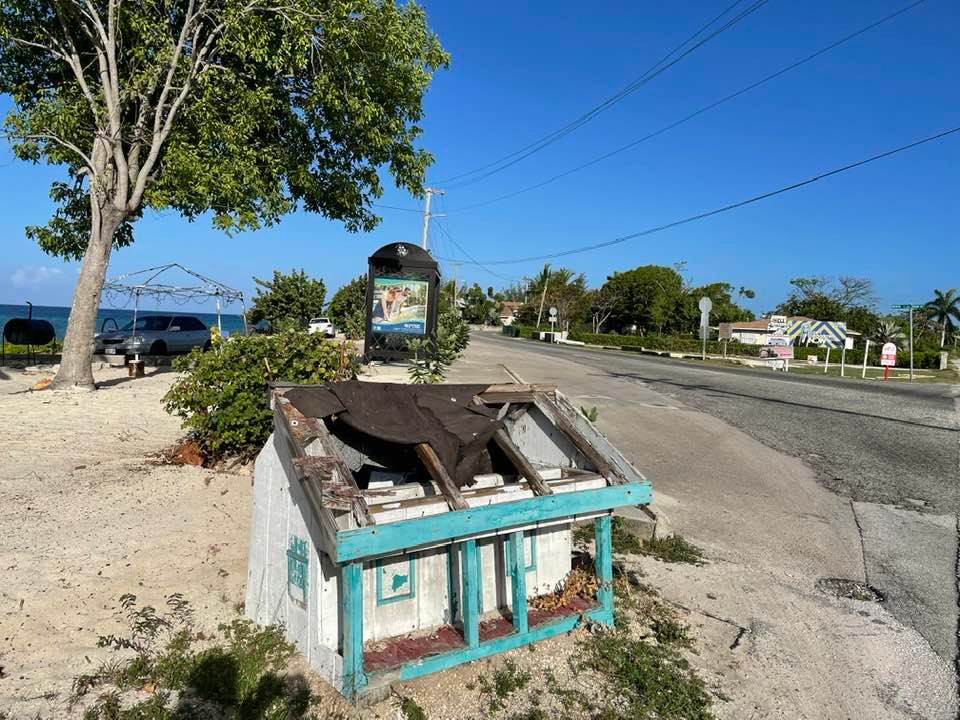
She had been motivated to put the little houses in place as part of efforts to keep West Bay tidy and to encourage pride in the district among the local residents.
“The genesis of getting them done was the Cayman Islands Beautification Committee in 2005-2009. I was on the committee and Heather Bodden was the chairman at the time. We were trying to get the area spruced up. Various districts were arranging clean-ups at the time.
“So many people seem to feel that every place is their garbage bin. I thought that if there were little planters with plants in them, it might help encourage people to stop littering. Our theme was ‘Let’s keep Cayman clean and green’.”
More than a decade after that ‘clean and green’ campaign, she still remembers the jingle she wrote for it, and sang it down the phone to the Compass.
“The houses are quite heavy, made from solid wood with shingles on the roof,” Coe explained. “They’re all white, with pastel trim, and red roofs. Some had a little verandah. We made them with typical Cayman colours. Although we’re in the Caribbean, we don’t use loud colours. Homes were mostly white as they were made from wattle and daub. They had pastel trims, very gentle colours. You see some these days with really loud colours.”
Asked about the recent efforts to restore the structures, she said she was pleased that others have recognised the charm and importance of the little houses, and were taking pride in their surroundings.
The committee became defunct after 2009, but has recently been re-established as the Cayman Islands Beautification Task Force.
The new Beautification Task Force comes under the direction of Bodden, the former chair of the Beautification Committee, who is now an elected MP and parliamentary secretary.
In a written message to the Compass, Bodden said, “If there’s someone kind enough to have the repairs done to the lil homes and bring them back to their originality, it’s greatly appreciated. They add such a beautiful touch to the entrance of the districts they’re located.”
Brac houses
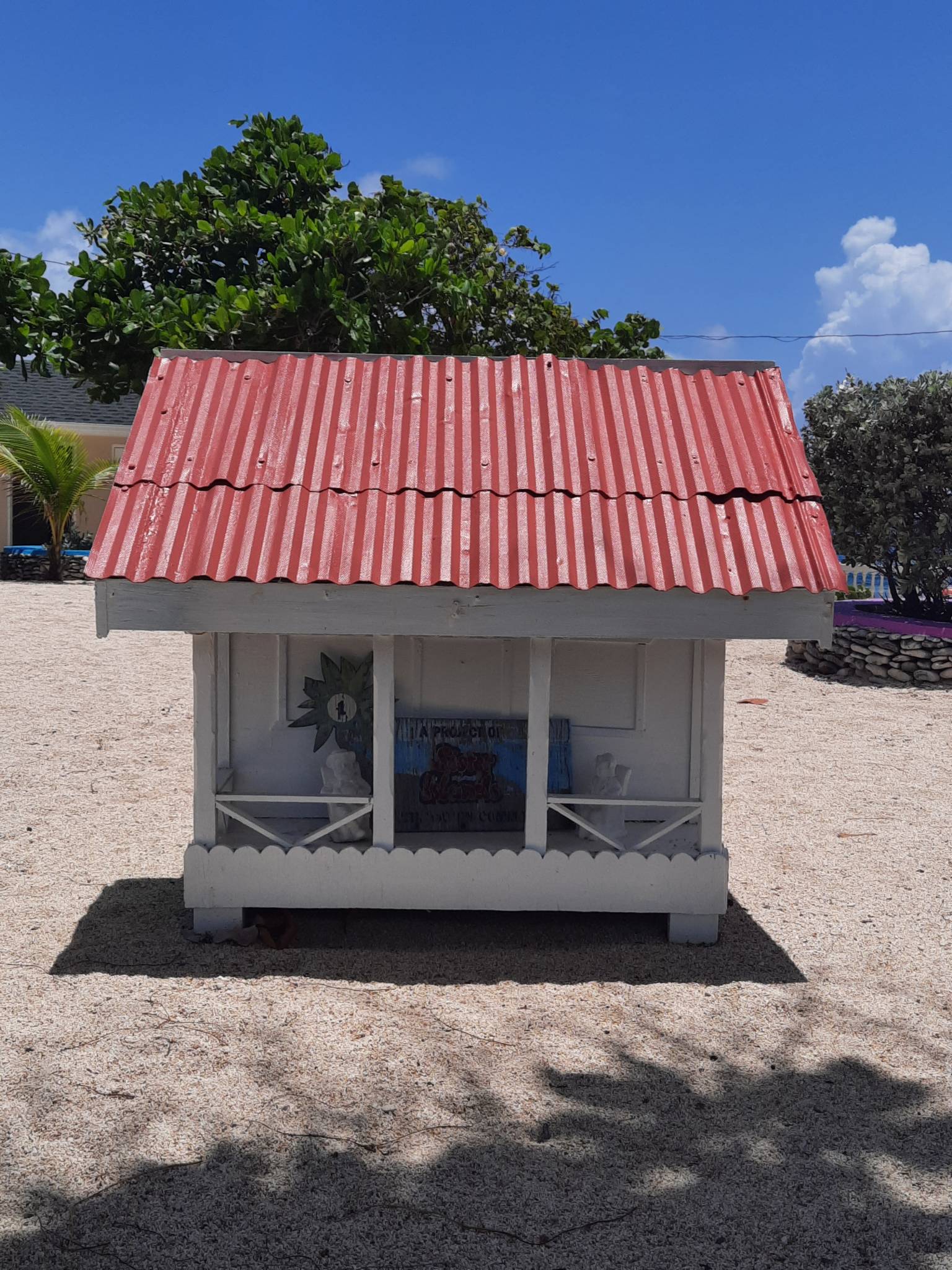
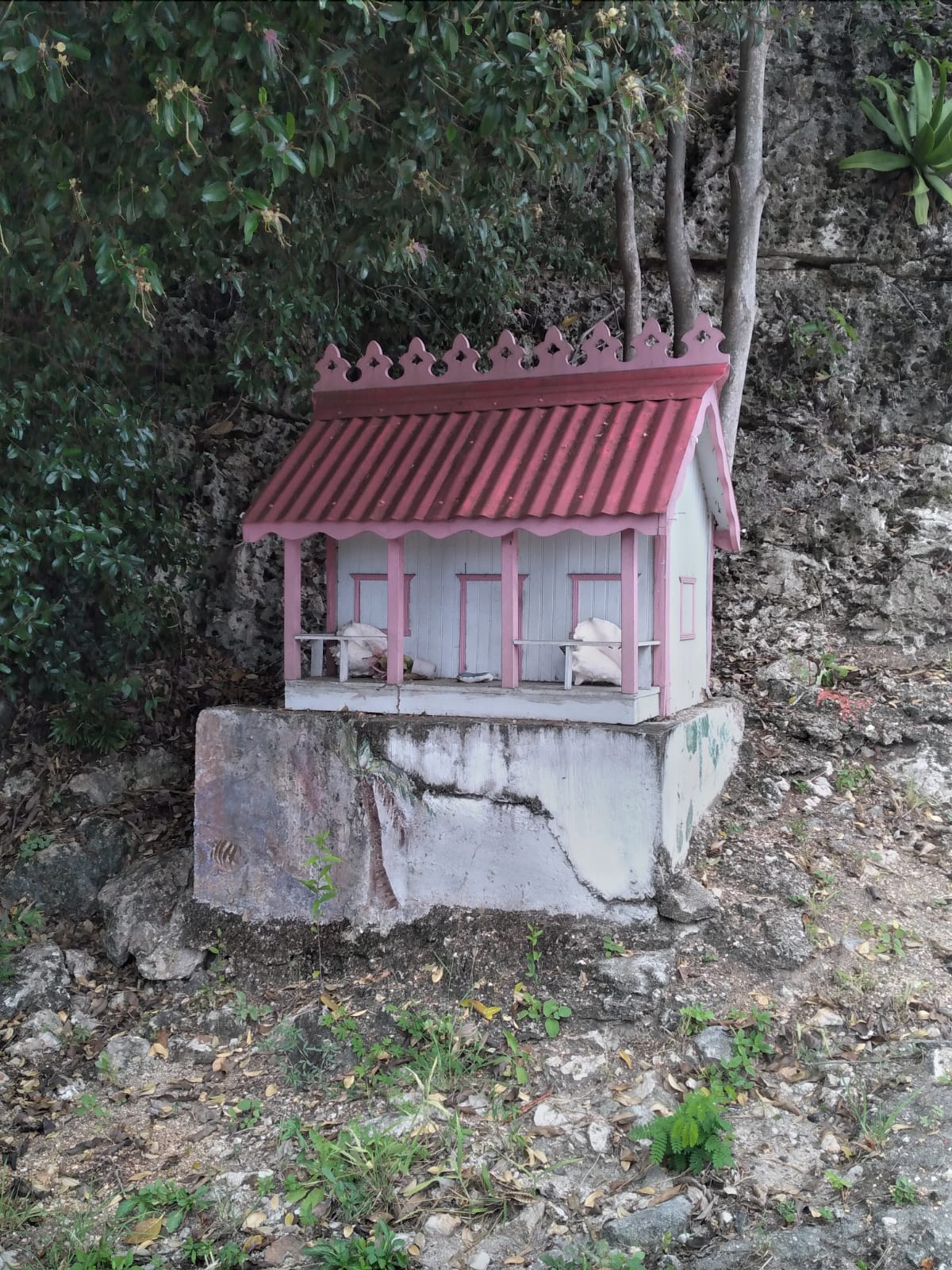
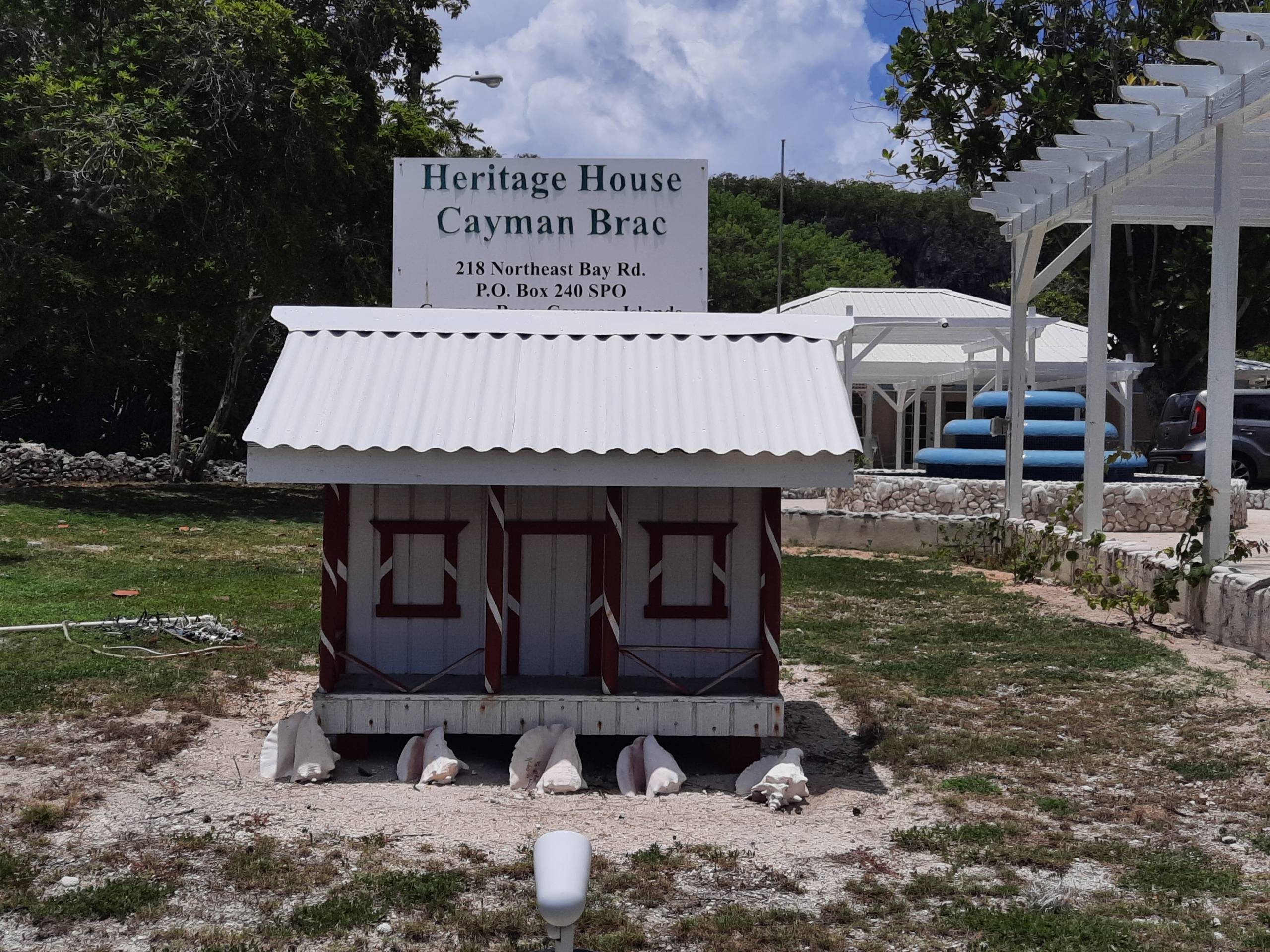
West Bay is not the only district with these pretty little cottages. When they were first built, Coe sent some to Cayman Brac, to a fellow member of the Beautification Committee, Liz Walton-Thompson.
Walton-Thompson said four of the tiny houses are still around on the island, although one on the Bluff “has pretty much gone” and she has pulled it out of view. However, she hopes to get it restored at some point.
She maintains the tiny houses, that are located at different sites across the island.
Another of the miniature cottages was sent to Little Cayman, she said, but was destroyed in Hurricane Paloma in 2008.
The cottages on the Sister Islands were also used as planters, she said, though one of the tiny houses – in Spot Bay Park on the Brac – was used as a base for a garbage container at one time. However, arrangements could not be made for the rubbish to be collected, so that plan was abandoned, and that little house now serves just a decorative purpose.
Restoring the houses
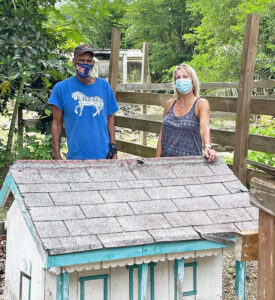
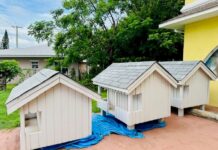
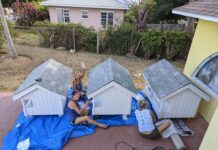
Jackson has delivered one of the houses to Smith at his home in Newlands, so he could determine if the structures can be rebuilt or restored.
Smith’s skills in building the houses were honed during his long career in construction. He says building is in his blood, as all four of his brothers worked in the construction industry and his father was a carpenter, who used to build boats and houses.
“My whole family had a history of doing construction,” he told the Compass.
He explained that, because the little houses were built to be planters, some only have half a roof, so potted plants could be placed inside and the plants could grow up through the open part of the roof.
“If we’re going to build them back, and not use them as planters, we can put full roofs on them,” he said.
He said the houses were based on those he saw as a boy growing up on Grand Cayman.
Although he no longer lives in West Bay, he said he had recently visited the district to check on the little houses, and noticed that while the two near the fire station and the one at West Bay Public Beach were still in place, the two at Hell were nowhere to be found.
After Jackson delivered the cottage to Smith, she said his assessment was that a full roof on each, made of zinc, would work better than rebuilding them as planters, as they will be more hard-wearing.
“It is looking like the cottages may need to be completely rebuilt but he will know for sure when he has all three over there,” she said.
She added, “We are thinking about a pizza paint party at the end of summer to decorate them and, in terms of function, [being] purely decorative would keep them in a better state of repair, with maybe a plant on either side.”
She is inviting anyone who may have original photos of the cottages when they were new to contact her over Facebook. “It would be lovely to see them as they were,” she said.
Another volunteer, Lori MacIntyre, who has a background in interior design and project management, said a number of ideas had been put forward for how the miniature cottages can be used once they’re repaired. Among those options is to turn them into recycling collection points, and to run a design competition, using 3D modeling, to redesign them.
“People have come from all over the place to help out on this. There was just a tremendous response to the posts, which is lovely,” she said.
Related Videos