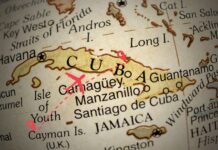
Travellers from the Cayman Islands are becoming collateral damage in the renewal of Cold War hostilities between Cuba and the US.
Anyone that has visited the communist island since January 2021 could face challenges getting into the United States.
And according to some reports, people who have visited Cuba at any time since 2011, could be ineligible for the US ESTA visa-waiver programme, meaning they will find it significantly more difficult to travel to the US.
The new restrictions are a result of former President Donald Trump’s decision to designate Cuba as a state sponsor of terrorism.
One consequence of that policy, which came quietly into effect in January of last year, is that anyone who travels to Cuba is ineligible to enter the US through the Electronic System for Travel Authorisation – the swift, cheap and easy online approval process used by Caymanians travelling to the US on UK Overseas Territories passports, as well as travellers on UK passports and a number of other eligible countries.
That means that instead of a 10-minute, $21, online application for a visa-waiver, they will have to apply for a full visa and travel to the US consulate in Jamaica for an in-person interview, with an application fee of US$160 before being eligible to visit the United States. That process – required even to transit through the US – can take several months to complete.
The exact details of the policy and how it is being enforced remain vague and travellers’ experiences appear to be variable.
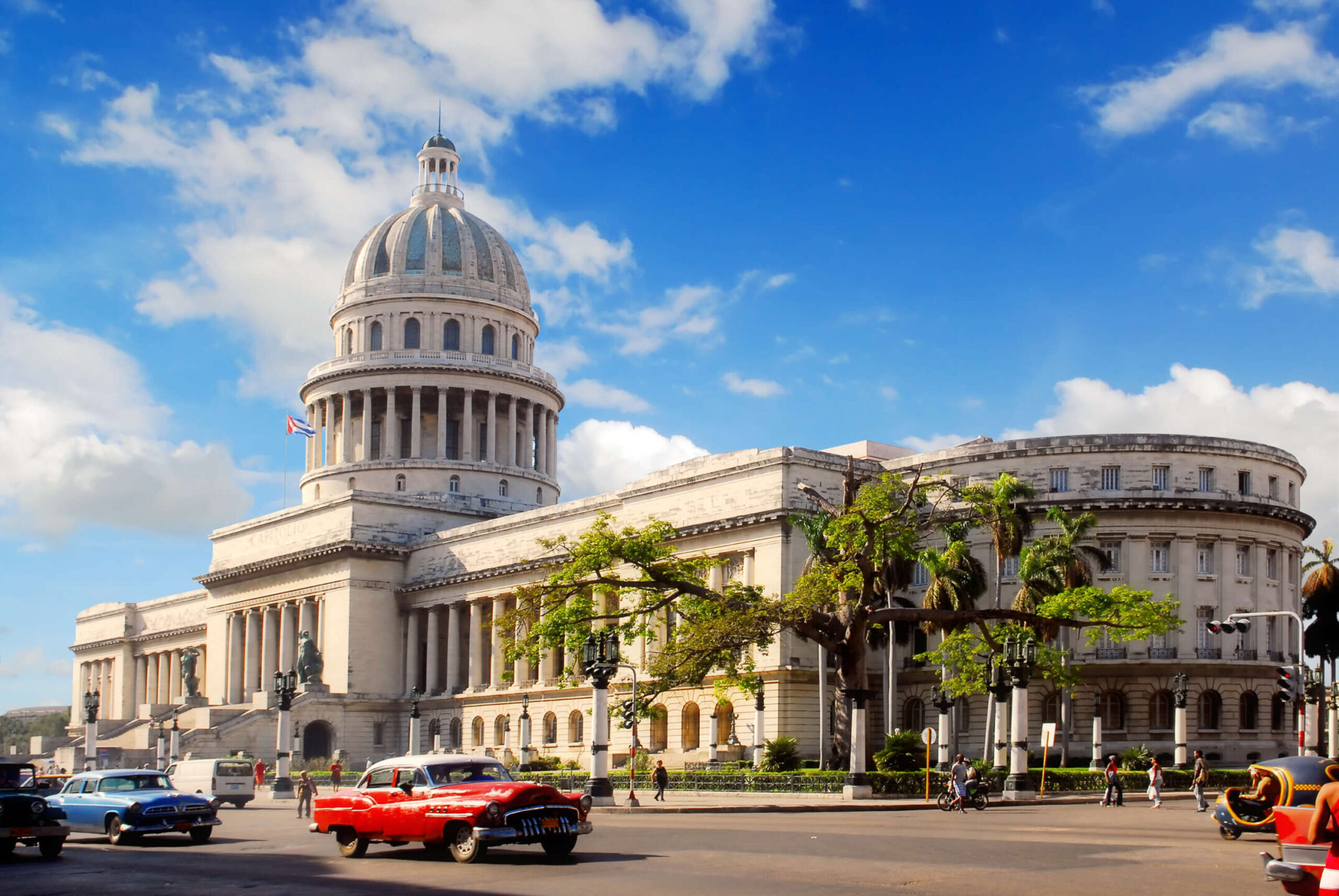
The Compass has received reports from local travel agents of Cayman residents who have been barred from the ESTA programme after arriving in the US directly from Cuba.
Meanwhile, other Caymanians, who have a Cuban stamp in their passport, are reluctant to run the gauntlet of border control and risk a sanction that could see them banned from visiting the US.
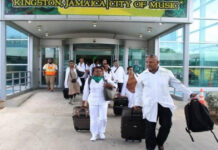
The policy, which affects travellers all over the world, has a disproportionate impact on Cayman. Cayman Airways flies four times a week to Cuba and many living in the jurisdiction are likely to have visited the island at some point.
Some rely on the air-link with Cuba to maintain family connections, while political issues between the two islands, including the vast number of Cubans arriving in Cayman to claim asylum, sometimes makes official travel necessary. Last week, between 26 Oct. and 29 Oct., 28 Cubans arrived irregularly in Cayman according to Customs and Border Control.
The same is true for Cayman Islands residents who rely on travel to the US for a host of reasons, including for specialist medical treatment.
Neither the UK media, which has covered the issue extensively, the US consul in Cayman, the Governor’s Office, nor local travel agents were able to say for certain whether the policy is being enforced from 2011, as some reports indicate.
But what seems certain is anyone who has visited Cuba since last January is ineligible for an ESTA.
Challenges for Cayman residents
One Caymanian, who recently travelled to Cuba, said they were distraught to learn they could no longer get an ESTA to visit family in the US. They said the policy had already prevented them from making a work trip to another Caribbean island, transiting through the US.
“This is a huge problem for many of us in Cayman. There are people that have children in school in the US, people that need to travel for medical reasons, it seems unbelievable really.”
They said they were not willing to risk travelling to the US, despite reports that some Caymanians had got past US border control with a Cuban stamp in their passport.
“What if you got caught and banned for life? It’s too big of a risk.
“I never would have travelled to Cuba if I had been aware of this.”
Varied enforcement
No official source was able to give clear and definite advice on the detail of the policy or how it is being enforced.
What is certain is that anyone who has travelled to Cuba since January of last year, or who travels to the island in the future, is not technically entitled to an ESTA visa-waiver.
Gary Montemayor, consular agent for the US Embassy in Cayman, said he was receiving regular calls about the issue, but there was nothing that could be done about it from Cayman.
He said the best advice was not to travel to Cuba and certainly not to get a stamp in your passport, if you wanted to travel freely to the US. He said he believed the policy was effective from January 2021, rather than being backdated to 2011.
Montemayor acknowledged getting a visa was significantly more complex than getting an ESTA.
“You actually have to go to the US Embassy in Kingston for an interview and sometimes it can take a long time to get an appointment. It is a much more difficult process.”
A spokesperson for the Governor’s Office said officials were in touch with the embassy in Washington and were seeking, among other queries, to determine the date at which the policy had become effective.
“We have sought clarity from the State Department and expressed our concern about the significant impact if these reports are true,” the official said, referencing the suggestions raised in the UK’s Independent that the policy would be backdated to 2011.
2011 or 2021?
If that is correct, that would catch millions of additional travellers, including thousands in Cayman.
Simon Calder, the Independent’s travel editor, quoted a US state department official in a recent article insisting the effective date of the policy was 2011.
“Any visit to an SST (State sponsor of terrorism) on or after March 1, 2011, even if the country was designated yesterday, renders the applicant ineligible for Esta.”
Calder attempted to explain the policy in a separate column earlier this month.
He wrote, “All you need to know is here. In one of his last acts as US president, Donald Trump added Cuba to the American list of nations that have ‘repeatedly provided support for acts of international terrorism’. However implausible a description that might be of the government in Havana, his successor, Joe Biden, has left the designation in place.”
Acknowledging conflicting reports over the effective date and from travellers, some of whom have been granted ESTA visa waivers despite travelling to Cuba, he stated US authorities had reiterated that “any visit since March 2011 scuppers the right to an ESTA.”
Confusingly, multiple additional sources including, The International Air Transport Association, indicate that the policy applies only to travel after January 2021.
Loopholes
It remains open to any traveller to ask for their passport not to be stamped on entry to Cuba or to replace a ‘lost’ passport after they have travelled.
Equally, many people will have renewed passports anyway since 2011, effectively wiping the slate clean of any problematic stamps.
However it is not clear what additional information US border control staff may hold and the consequences of lying on a travel declaration form are likely severe.
Confusing matters further, the current online questionnaire for an ESTA does not include any specific question about Cuba. The homepage of the site, however, does include a warning that the US designated Cuba as a state sponsor of terror on Jan 12, 2021.
It adds, “If a traveller is found to have visited a country designated as a state sponsor of terrorism, the traveller is no longer eligible to participate in the visa waiver program and must apply for a visa to enter the United States.”
‘If in doubt, don’t go’
Fiona Brander, of Travel Pros Cayman, said the safest advice in the absence of further clarification from US authorities was not to travel to Cuba, if you wanted to go to the US via an ESTA, the easiest and preferred option for most people in Cayman.
She said the alternative of getting a full visa is a costly and time-consuming process that could take months or even years in some cases.
In reality, she said, many travellers were getting granted ESTAs and travelling to the US despite prior travel to Cuba.
But she warned this carries a risk.
“If the US finds out you have been to Cuba and you tried to conceal it then you could be banned from getting an ESTA again and you might have difficulty getting a visa,” she added.
Brander said she was getting numerous questions about the policy. She said she had somebody come to her for advice who had their ESTA pulled after transiting through Miami on a return trip from Cuba to Cayman.
Other travellers have reported successfully travelling to the US with a Cuban stamp in their passport since January 2021.
Related Videos