Sorrel is as much a part of the traditional Cayman Christmas as sand yards and heavy cake.
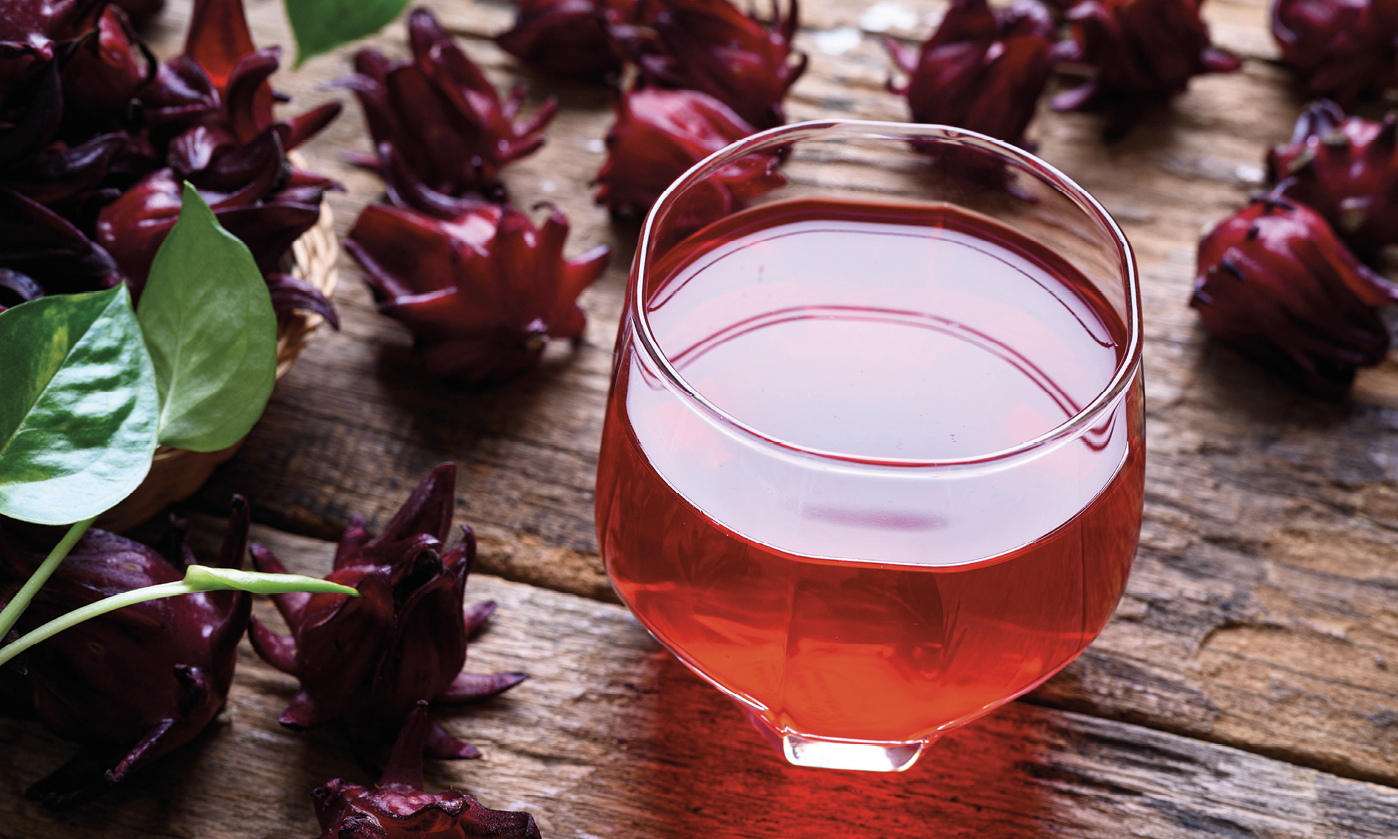
With its ruby red fruit reaching prime ripeness in November-December, many will already be stocking up at the farmers’ market and making their own refreshing festive beverage.
The name sorrel originates from the French for ‘sour’, due to the plant’s characteristic acidity and lemon flavour. It is a species of the hibiscus family and, while there are several different types grown in the region, the deep red fruit of the roselle is the most common variety found on-island.
The drink is prepared by steeping the outer skin of the fruit (the ‘sepals’) in hot water, which produces a rich, red liquid. Fresh or dried sorrel can be used.
Sweeteners and spices are then added according to taste, along with an optional dash of rum – this helps preserve the drink, not to mention adding a little festive cheer. The drink is served chilled.
Cayman shares this Christmas tradition with neighbours such as Jamaica, Saint Kitts and Nevis, Montserrat and Dominica, each of which puts its own subtle twists on the basic recipe. Cinnamon, cloves and bay leaves are usually added in Trinidad and Tobago, for example, while the Jamaicans opt to perk up the flavour with fiery ginger.
Follow the custom this year by welcoming guests to your home with a chilled glass of sorrel accompanied by a hearty slice of fruit cake.
Christmas sorrel recipe
 Makes 1 quart
Ingredients
- 1 cup sorrel
- 2 whole cloves
- 1 cinnamon stick
- 1-inch piece fresh ginger, peeled and grated
- ½ cup light brown sugar
- 1 tablespoon fresh lime juice
- Rum to taste
Directions
- In a large saucepan or heatproof bowl, combine sorrel flowers, spices and sugar. Pour over 4 cups boiling water.
- Cover the container and set aside until cool, then transfer it to the refrigerator and leave to steep for two days.
- Strain through a fine sieve or cheesecloth. Add rum and fresh lime juice to taste. Stir well.
- Serve over ice, with slices of fresh citrus fruit if desired.
Nutrient rich
Aside from its edible uses, sorrel is packed with nutrients – including vitamin C, calcium and vitamins B2 and B3 – and offers several medicinal benefits. Long before the term ‘superfood’ was termed, traditional healers were prescribing roselle as a fever relief, mild laxative or as treatment for cardiac and nervous ailments.
Related Videos