If Cayman considers reforms to its electoral system, there are numerous options around the world. Here we look at a handful of the most common options.
The Westminster system:
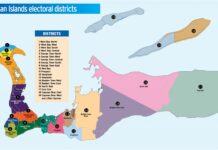
Cayman is one of many countries which mirrors the British Westminster system, with electors casting their ballots locally for candidates in geographical constituencies.
It is down to the elected members to nominate a leader and Cabinet. The entrenched party system in most countries that use this voting method usually makes it easy to determine the victor, with the leader of the party with the majority of seats in parliament becoming prime minister.
The list system:
The most common form of national voting, used in 85 countries, the ‘party list’ is a form of proportional representation which seeks to ensure the make-up of the parliament closely reflects the will of the electorate.
The system takes various forms in various countries, but the basic principle is that political parties present a platform and a numbered list of candidates.
The vote is a simple contest between parties, with the number of seats divided based on the percentage of the vote each party accrued.
Presidential system:
Numerous countries, including the US, have a separate vote for the leader of the country. Regional representatives are elected separately, though sometimes on the same day (in the US to the Senate and the House of Representatives).
The presidential race is between individuals rather than political parties, though the two principal candidates, in the US at least, almost always represent the two major political parties. The president appoints the Cabinet.
The BVI hybrid:
The British Virgin Islands has a unique electoral system that blends some of the elements of Cayman’s system with a national vote.
The bulk of the candidates – nine out of 13 – are elected through single member constituencies. The other four ‘at-large’ candidates are elected on an territory-wide basis, untethered to any geographical locale.
The German hybrid:
In Germany’s national elections, voters cast two votes: a first vote for a direct candidate and a second vote for a political party at the federal level.
The direct candidate does not need to be affiliated with the party in the second vote.
The winner of the first vote gains a seat in parliament.
The seat representation of parties is then determined by the second vote, if necessary, by filling additional seats with candidates from a party list – but only if a political party wins more than 5% of the national vote, to avoid political fragmentation.
In practice, a party can win more seats via direct than proportional mandates, which results in additional seats being added.
The system reflects the desire to blend the Anglo-Saxon winner-takes-all model, which favours large political parties, with proportional representation.
The system also combines personal accountability through a political representative, who is familiar with the voting district, with the advantages of party-political structures.
Related Videos