

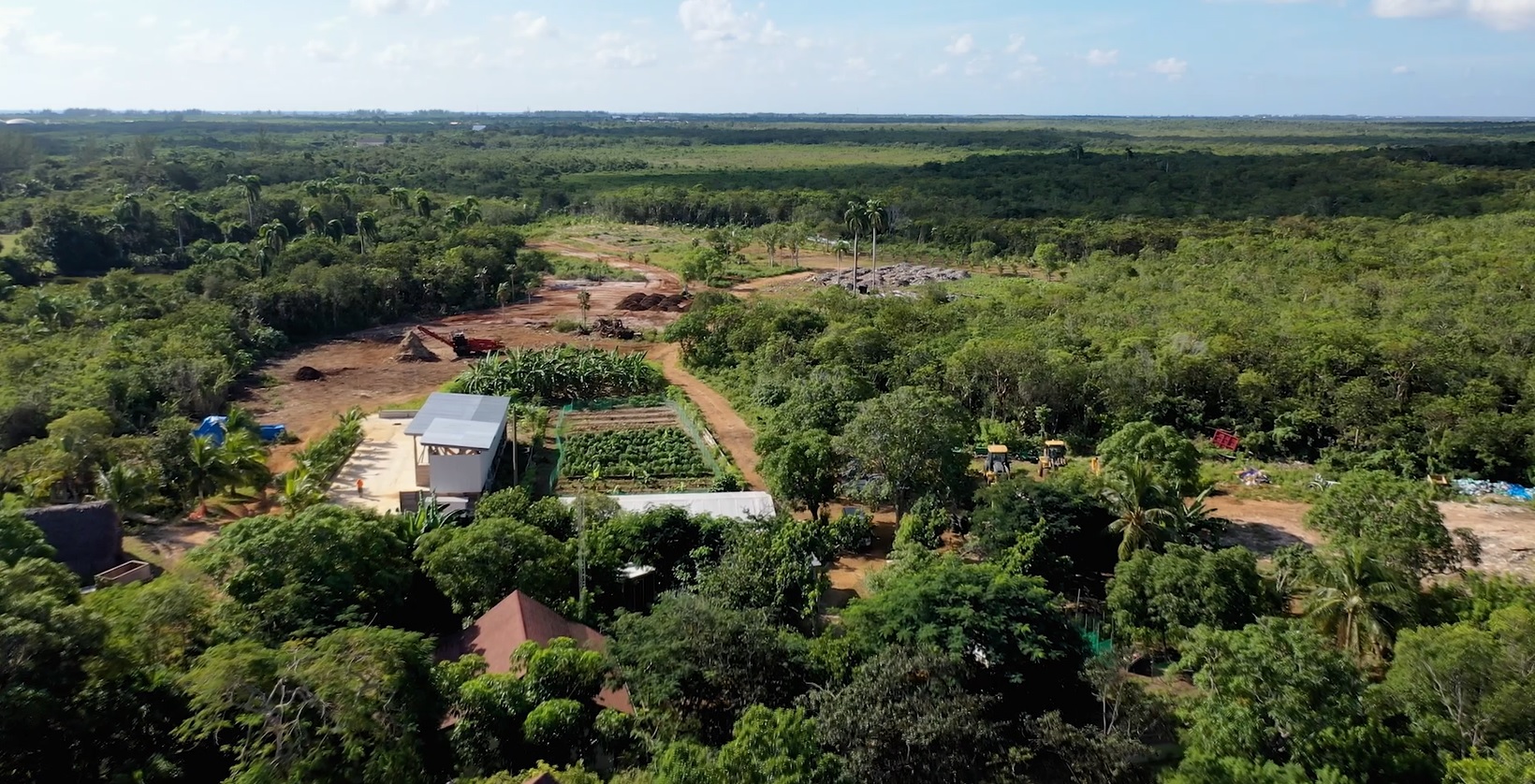
Beacon Farms, a documentary that is showing at Camana Bay Cinema this week, gives a fascinating behind-the-scenes glimpse into the triumphs and challenges of the North Side farm that is staffed by recovering addicts who transform not only the land, but their own lives.
The film, created by Candy Whicker and Little Films, takes you for a ride through the ups and downs of the workers, managers and owners of the farm, which was set up by father and son Granger and Scott Haugh in 2017.
Beacon Farms, as narrator Freddie Rostand notes, is unique not just in Cayman but possibly the world, as a rehabilitation project on a farm built on rock.
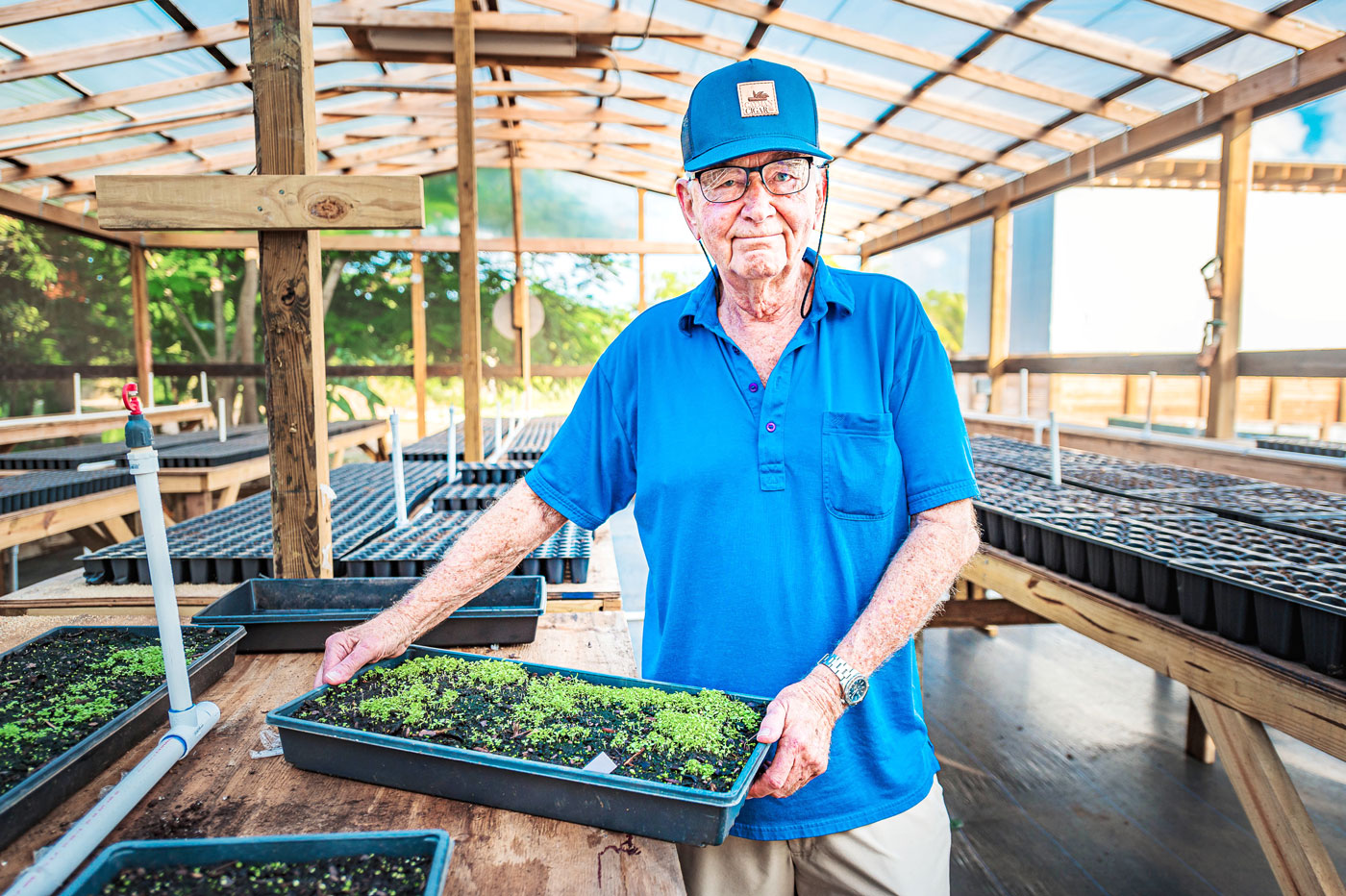
It is now a working farm, producing tobacco for local cigars, beets for animal fodder, callaloo, breadfruit, mangoes and other fruits and vegetables.
The story behind how it got to this point is an intriguing one.
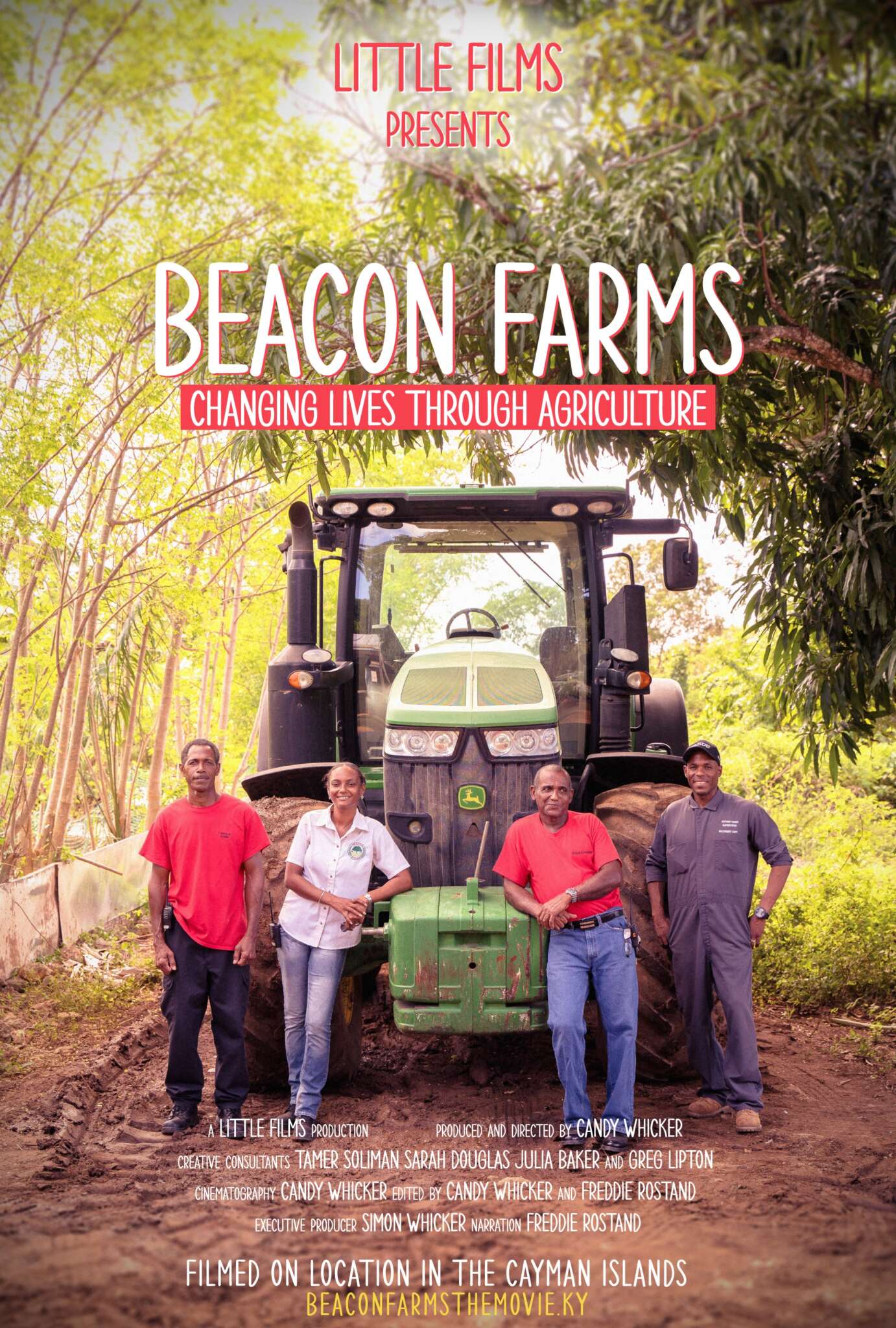
Shot over three years – with a forced hiatus during the COVID-19 lockdown in 2020 – the documentary captures the daily lives of the 12 workers who toil over the crops while trying to stay clean and avoid drugs and alcohol. Most, though not all, succeed, as the film shows.
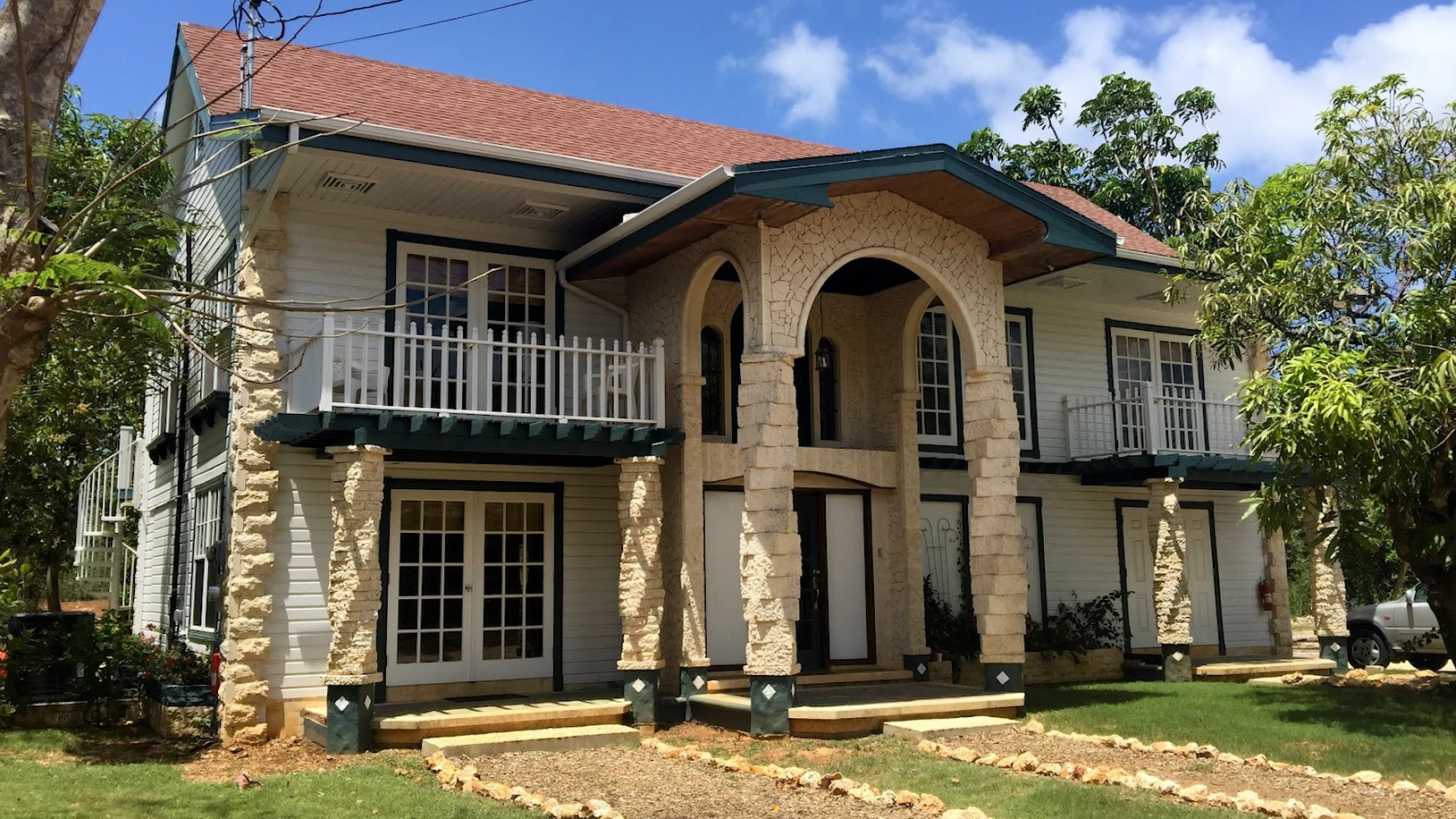
The documentary begins in the early days of the North Side farm – once owned by the family of former Speaker of the House Edna Moyle – when it was overgrown and its main farmhouse run down and neglected. Before any of the actual farm work began, the first job was making the ‘Big House’ on the farm inhabitable again, so the workers had somewhere to live.
Those workers, who all came from the Bridge Foundation’s halfway house in West Bay, run by Bud Volinsky, renovated the entire house themselves, learning carpentry and drywall skills as they went along.
The Haughs and Volinsky wanted to create somewhere that came after the halfway house, as many addicts slide back into their old habits after moving back to their neighbourhoods, and find it hard to get and retain a job. The farm kills two birds with one stone – offering a new environment where drug and alcohol testing is done on a regular basis (one strike and you’re out, though you can come back once you clean up), and giving the addicts a paid job.
The success stories – and there are many in this film – make you smile.
In a series of interviews, workers like Obed Powery and Robert Ramoon, both recovering addicts, tell of how the trajectory of their lives had led them to the farm.
Powery, who used to work in construction and tackled his drug and alcohol addiction after making a promise to his dying mother, is the senior coordinating supervisor of the entire farm and the go-to guy who “can turn his hand to anything”.
He tells the camera, “It’s not that we’re bad people, it’s just we made bad choices.”
Ramoon, a supervisor in charge of the potentially lucrative tobacco crop, describes how he and others who had come “out of Hell’s door” had found a way of returning to society by working at the farm.
“It’s an amazing thing,” he says.
And then there’s Sasha Appleby, who spent years unemployed before finding her way, first to the Bridge Foundation and then Beacon Farms. Being an addict made it hard to hold down a job, she says.
Appleby, who studied entomology and previously worked at the Department of Agriculture, has been with the farm from the start, and is now considered a lynch pin of the operation. She is also the science officer and agriculture processing unit supervisor.
The farm’s chief operating officer is Sandy Urquhart, who is effectively our tour guide in this film, where he features largely, taking the audience on a journey through the origins and progress of the farm, while expressing freely and without filter his frustrations, worries and joy, as the occasion warrants.
The redemption arc in this film does not just apply to the addicts who have found a way out of their addiction and a path back to society by working the land. It also applies to the farm itself, which starts out as a fairly barren spot where all efforts to make it suitable for horticulture initially fail.
The film drives home that the biggest challenge at the farm is that it sits on rock and there is not enough soil to make it a commercially viable farm. Efforts to first address this by mulching and composting the greenery cleared to make way for fields prove insufficient. Steps are taken to find more material that can be composted, such as old cardboard from supermarket boxes that are delivered in bulk. That’s also not enough.
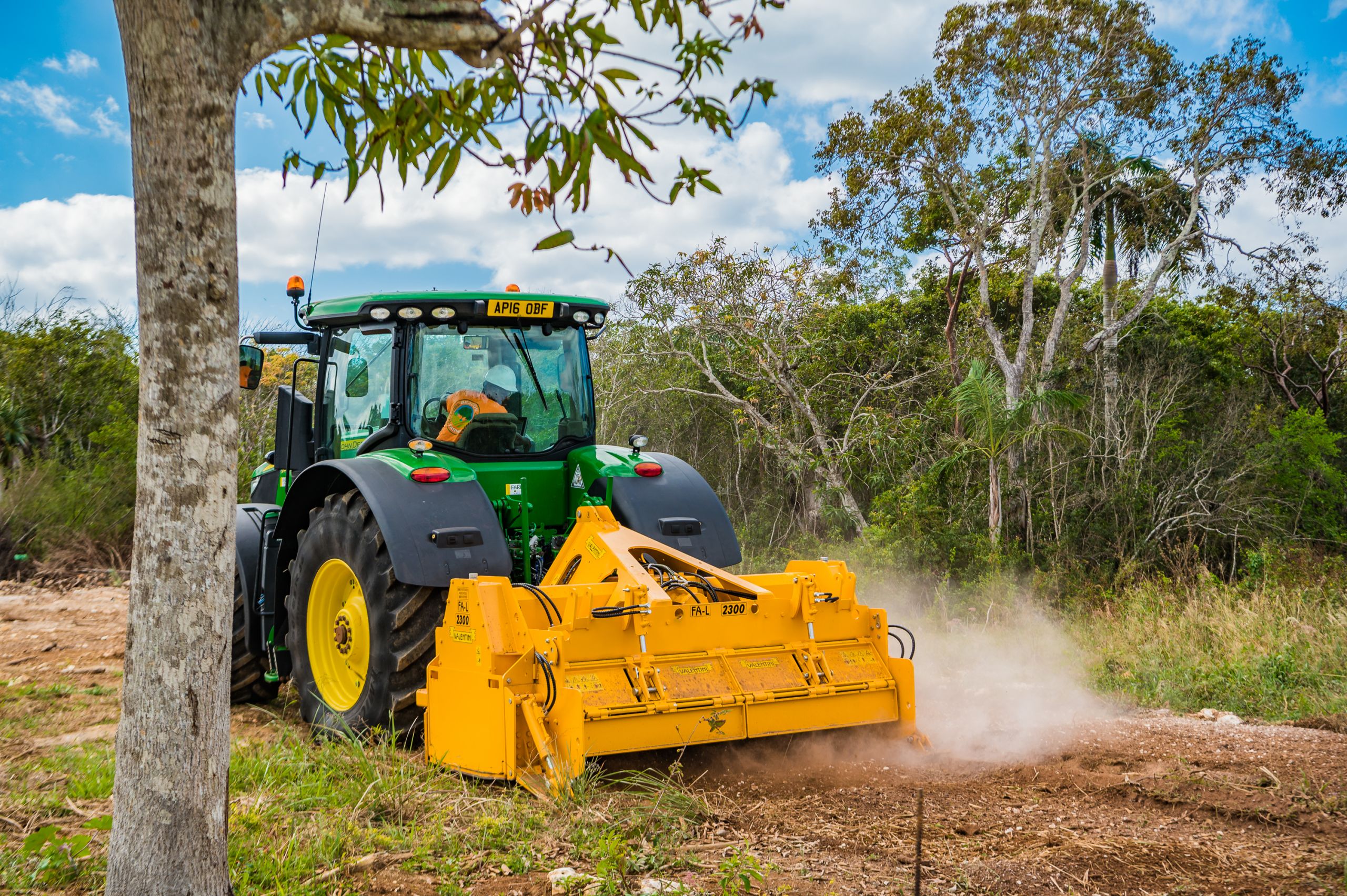
That’s when Granger Haugh has a lightbulb moment and makes a bold move to bring in a very expensive rock crusher from Italy and a giant tractor to pull it. The equipment can crush rock in minutes, grinding it to a fine earth, which when mixed with compost, creates a rich soil on which crops can be planted.
It’s a game changer for the farm, and for the staff who can now move forward with the ambitious plans that have been discussed and planned for years.
There are setbacks too, like workers who relapse, a fire that wipes out a long-awaited piece of machinery, and, of course, the pandemic that delays arrival of equipment and the timely harvesting of crops.
The Haughs recently donated the farm to the Beacon of Hope Foundation.
The farm is now dependent financially on the sale of the crops it grows and the cigars produced from the tobacco, and the generosity of the public and local companies, who it hopes will donate funds to the enterprise.
If there were any doubt that a facility like Beacon Farms is needed in Cayman, where recovering addicts can lead productive lives, away from the bad influences and temptations that fed their addictions, that was cleared up during a question-and-answer session following the premiere of the film last week.
The audience was asked if addiction had impacted their lives, either by being an addict themselves or by having a close family member or friend who was an addict. Almost every person raised their hand.
This film is not just an exploration of a unique farm, it’s a celebration of the human spirit here in our own Cayman Islands.
‘Beacon Farms’ will be shown over three nights at the Camana Bay Cinema at 6:30pm on Wednesday, Thursday and Friday, 15, 16 and 17 Feb. Proceeds from the public viewing of the film will go toward Beacon Farms. Tickets can be purchased directly at the Camana Bay Cinema or on Fandango.
Watch the trailer here.
For more information or to find out how to donate to the project, visit beaconfarmscayman.org.
Related Videos











A wonderful example of human ingenuity.