If there ever was an imperative to buy local produce, now would be the time.
Amid a global cost-of-living crisis, the price of eggs – a staple of every grocery list – has been impacted more than almost any other item at the supermarket.
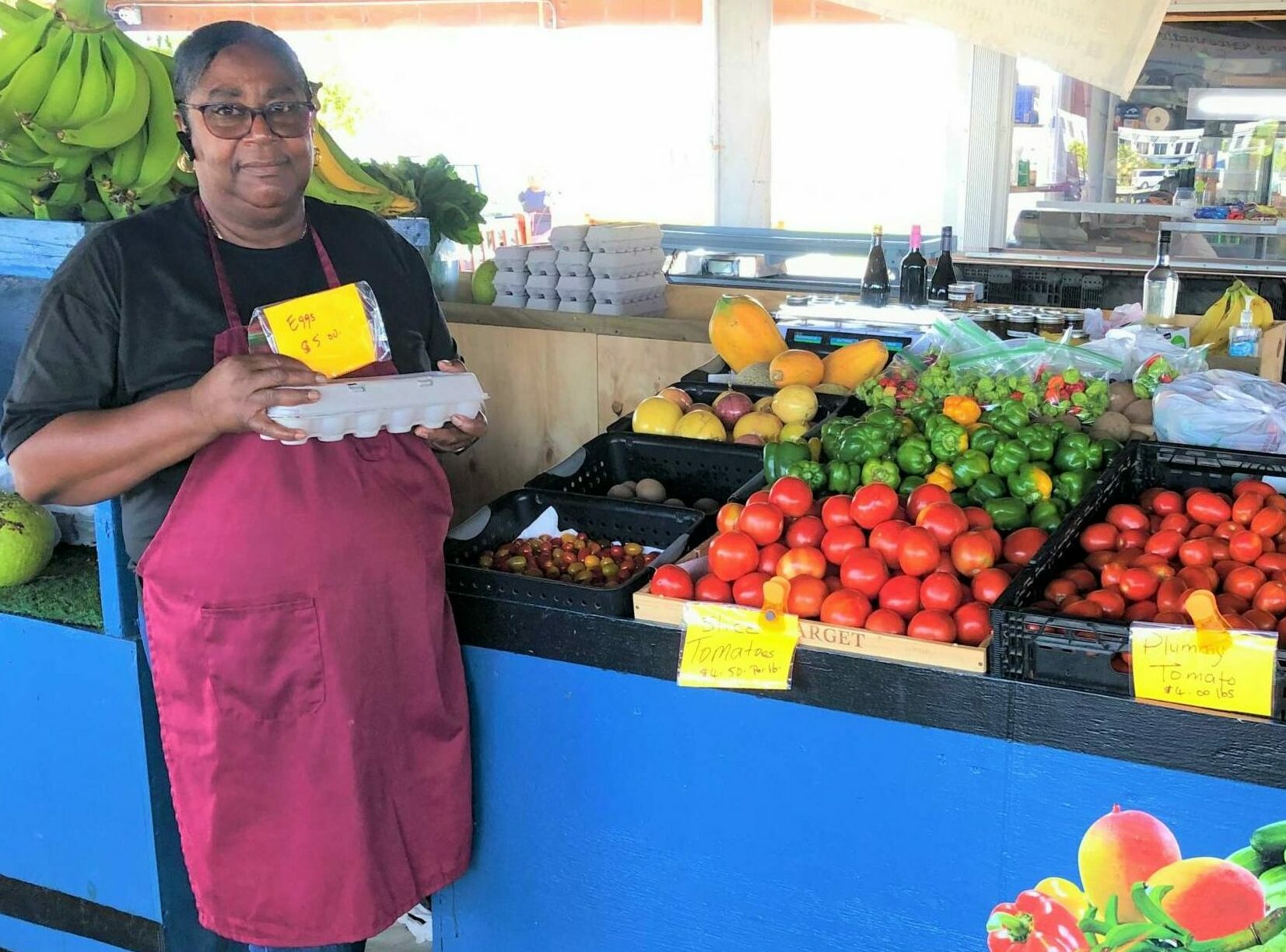
But with overseas prices surging, Cayman’s farming community remains the saving grace, keeping local prices down to almost half the cost of imported eggs at around $5 per dozen.
Both CNN and The New York Times have highlighted the steeply rising cost of eggs, which has been attributed to inflation and outbreaks of avian flu.
The New York Times pointed out that in December 2022, the average price of a dozen eggs in the United States was US$4.25, more than twice what they cost a year earlier.
A look on local shelves in Cayman points to a similar scenario, with eggs now priced between CI$6.89 and $10.99, depending on the supermarket and the brand.
However, local egg producers and vendors have been trying to keep costs as low as they can.
Saving consumers a bit of money is the norm for local produce vendors, according to Herfer Hyde-Gregory, who sells eggs and vegetables at her stall, Hyde & Gregory Produce and Juice, at the Farmers Market at the Cricket Grounds in George Town.
Hyde-Gregory, speaking with the Cayman Compass said she knows that the rising cost of living is hurting everyone and, though she is not immune to those challenges, she is determined to help where she can.
She said sellers try their best to discount their produce, especially when customers are short of cash, but want to buy something. For example, she said, if something weighs out to $3.50, “and they say, ‘I only have $3’… you just give [it to] them for the $3 and bless them, and say ‘have a nice day’,” she said.
Hyde-Gregory said that procuring the eggs does come at a cost since it involves a trek to North Side or East End, sourcing and preparing them for sale.
However, she said, farmers and vendors are absorbing those costs because it is “tough times, but we are trying to cope and let the consumers enjoy themselves”.
Shipping costs, prices add to problem
Kirk Market, in a statement responding to Compass queries, said that it has seen a “significant increase in international egg prices and shipping costs”, and with supplier egg prices fluctuating weekly, “it is difficult to predict whether prices will fall anytime soon”.
“Although we obtain eggs from multiple overseas vendors to source affordable prices, we have also stepped up our purchases of local eggs. However, it’s worth mentioning that local eggs are a limited resource,” Kirk said.
In addition to costs, there have also been reports of shortages in places hardest hit by avian flu outbreaks, forcing limits on purchases.
However, according to the store, local supplies are not adversely impacted in this way.
“As of now, we do not see any reason to place a purchasing limit on eggs,” it added.
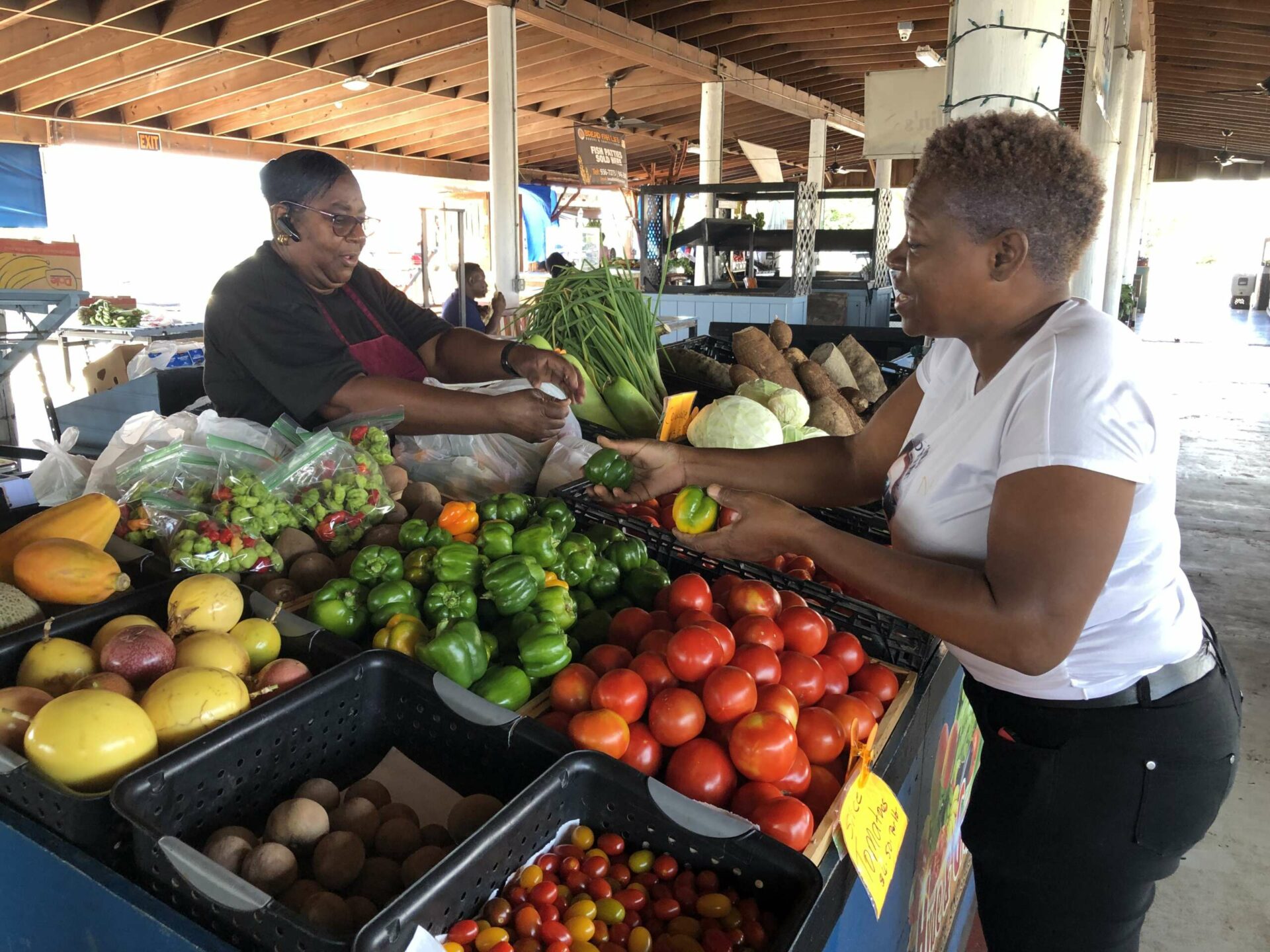
Hyde-Gregory urges consumers to “go local” where they can, as in some cases there can be flexibility on price if people find the cost a bit high.
Foster’s marketing supervisor Arthur Isaacs said the global “reverberations” have hit home, but the supermarket group is managing local costs by operating on the smallest margins possible to keep “prices low and affordable for our community”.
“Whenever it comes to discussions on limiting product, Foster’s would like to emphasize that we have established a heavily strategized logistics chain where we coordinate with our suppliers in advance to determine projected levels and how much is needed,” Isaacs said in an emailed response to Compass queries.
“This grants us a workable flexibility that has so far proven successful. Any previous instances where we have come up short are due to our own suppliers not receiving product on their end.”
He said, based on an analysis of market trends, Foster’s noticed white egg prices have come down while the cost of brown eggs seems to vary.
“Nevertheless, this has allowed us to lower prices over the last few weeks as pricing structures have become more and more tenable. We’ll continue to work closely with suppliers and evaluate the changing elements to keep local prices as fair as possible. In this scenario, we have also reached out to local egg farmers to fill in any gaps within our supply chain, as well as to highlight the commendable efforts of local farmers in maintaining supply,” he said.
All the farmers, he said, that Foster’s reached out to have been working tirelessly to meet the demands of the community.
“While their scalability of this process is something that understandably takes time, we’ve still been able to increase our local purchases month-to-month as many teams are coming together to lessen the impact of this shortage within our islands,” Isaacs added.
International issue
Imported eggs are one of the food items that have increased the most in price over the past 12 months.
In the US, the consumer price index for eggs increased by 8.5% between December and January, and prices are 70% higher than a year ago. In some US states, like California, the price of a dozen eggs has almost tripled to US$7.37 from US$2.35 a year ago.
The farming industry has blamed general inflation, supply-chain challenges and bird flu for the price increases. Bird flu, for instance, has reduced the number of laying hens in the US by 5%, year over year.
However, not everyone is convinced of that scenario. Farm Action, a non-profit farming group, sent a letter to the US Federal Trade Commission in January asking the anti-trust regulator to investigate potential price gouging as the largest egg-producing companies reported massive profits in 2022.
Related Videos