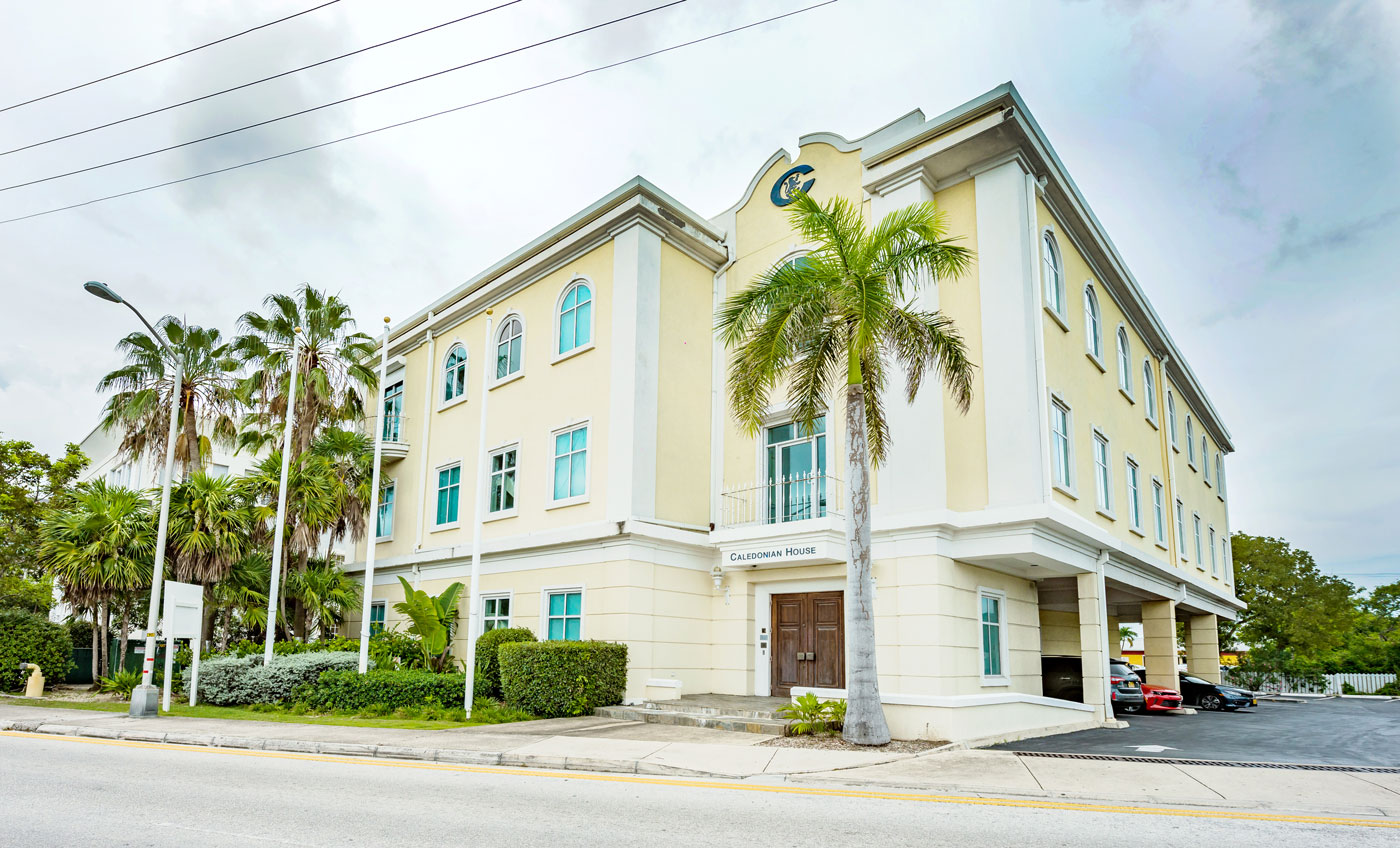
More than seven years after Cayman’s Caledonian Bank collapsed, liquidators still have US$1.77 million of unclaimed money that they are struggling to pay out to people who held accounts at the bank.
In an application to the Grand Court which was heard by then Chief Justice Anthony Smellie in September 2022, the liquidators requested permission to pay out the unclaimed sum of US$1,776,816.16 to a general pool of creditors.
They said they were able to identify all the people who had accounts in good standing with Caledonian Bank at the time of its 2015 collapse.
While the vast majority of people with money in the bank were contacted for a return, some could not be reached despite numerous attempts. They were deemed “disengaged depositors” who collectively own the unclaimed money.
In his 9 March judgment, Smellie refused the application, stating that the liquidators “had no factual basis for a reconsideration of the relevant claims”.
In February 2015, Caledonian Bank filed for bankruptcy after 44 years in operation. At the time, it was sued by the US Securities and Exchange Commission and had its banking licence revoked by the Cayman Islands Monetary Authority in connection with sham stock offerings and penny stock pump and dump schemes, that netted the orchestrator of the fraud US$75million.
When the bank folded, its total assets were estimated at US$585million, with about 1,550 customers and nearly 1,900 accounts.
At that time, liquidators warned that depositors at the bank could expect a return of between 89.5 cents and 94 cents on the dollar, and they were eventually given 91.2 cents.
Although proceedings began to have the bank wound up in 2015, that could not be finalised until the liquidators were told how to deal with the unclaimed money.
Money held in trust given to Crown
When refusing the application last September, Smellie ordered the liquidators to open an account and hold the unclaimed money in trust for the disengaged depositors, noting that there were several reasons, “such as tax implications”, why some people might have chosen not to come forward.
Smellie ruled that the unclaimed money was to be held for one year and, during that time, the liquidators were to advertise its existence and pay out money to those disengaged depositors who came forward.
“At the end of one year after the dissolution of [the bank], the [liquidators] will transfer any remaining unclaimed funds to the Minister of Finance who… would be responsible for administering the same,” read the judgment. “A disengaged depositor would subsequently be able to make a claim to the Minister of Finance for this, his or her share of the unclaimed Funds.”
Smellie concluded that, ultimately, the unclaimed money will “go bona vacantia to the Crown”. This means ‘vacant goods’ and is the name given to ownerless property, which by law passes to the Crown.
Related Videos