With crime increasing in recent weeks, Cayman’s law enforcement agencies are ramping up initiatives like the expansion of the local CCTV network to Cayman Brac in an effort to deter illegal activity and capture would-be criminals.
The already 326-strong camera network is set to be expanded on Grand Cayman and extended to include the Brac to aid in crime deterrence and detection, a welcome push for Sean Vasquez, director of the Department of Public Safety Communications (DPSC).
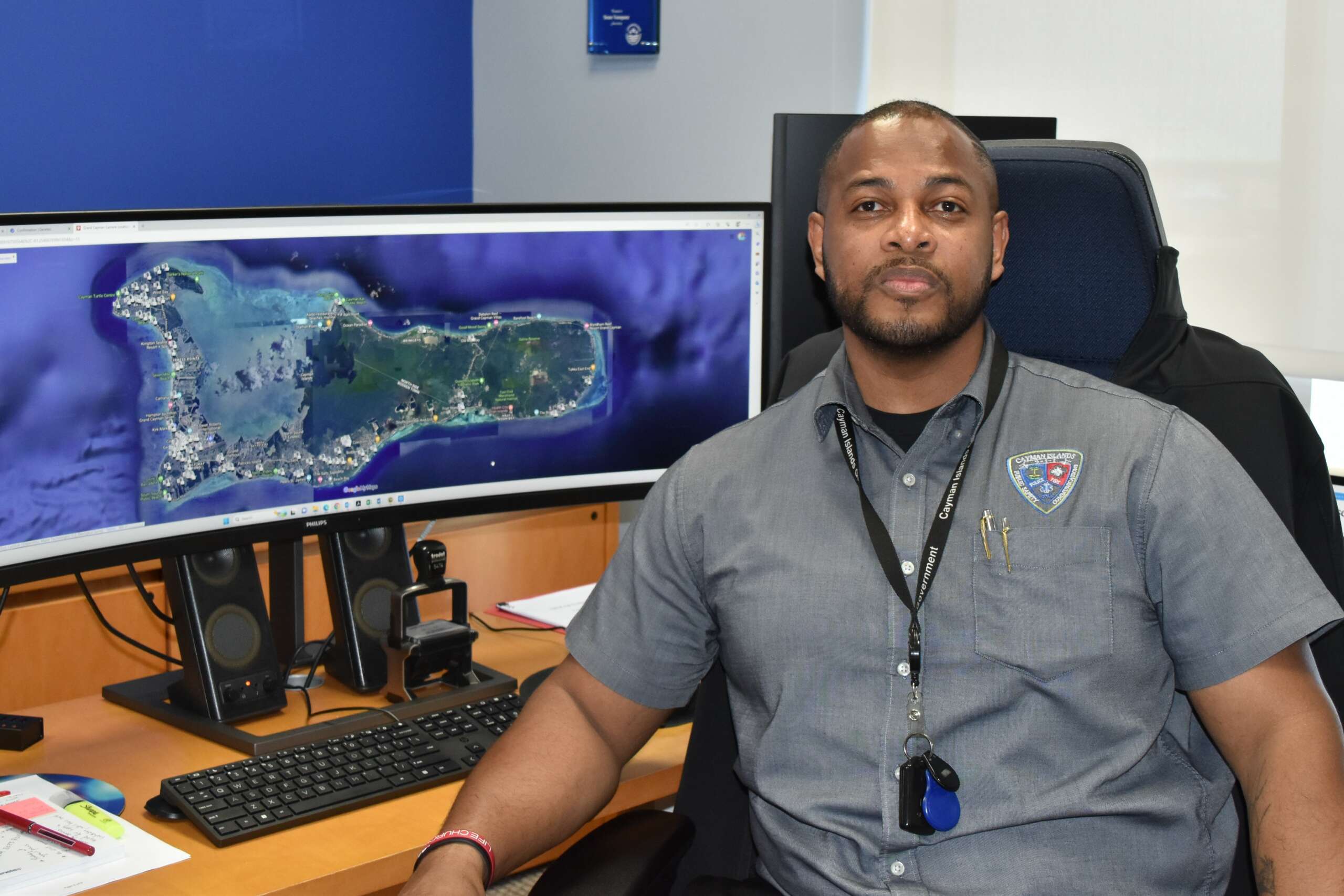
“There is a strong strategic vision, which is driven a lot by the [Royal Cayman Islands Police Service] and their request for cameras and locations, not only in high-crime areas, but from a public safety standpoint. We’re looking to add between 20 to 35 cameras on the [network] as a whole to continue to build and expand on the programme,” Vasquez said in a recent interview with the Cayman Compass.
He said the expansion is already under way and the department is in the final stages of the installations for the cameras on Cayman Brac.
“Those are 15 locations that were identified that will be established in the Brac. We just have one or two more pieces that we need to finalise from a connectivity point of view,” he said.
Additional cameras are also being installed at strategic points in Grand Cayman where gaps exist along West Bay Road, some other main thoroughfares, and in the eastern districts, he said.
100% camera operation
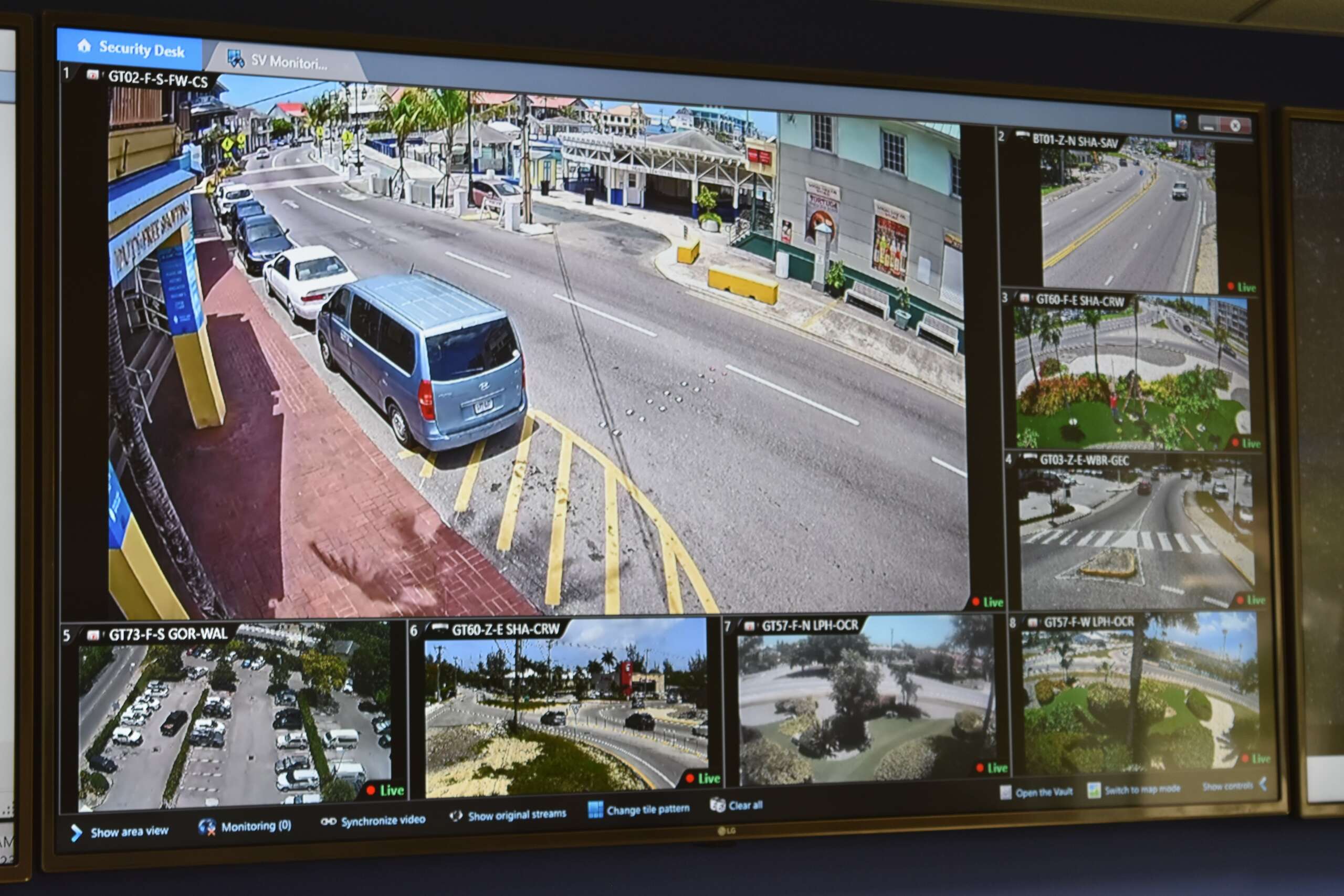
Vasquez said he believes there is a lot of miscommunication and assumptions concerning the CCTV network, but stressed that all 326 cameras are working, with a resolution of 1080p or high definition video.
“Like everything else, there is technology that continues to evolve and continues to change,” he said, adding that they ensure the camera’s programme and platform meet the highest industry standards.
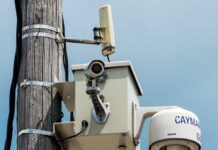
The cameras, he said, are also supported by the existing infrastructure and by fibre and radio frequency technology which are the wireless point-to-point instruments.
“We primarily use this piece of hardware… where fibre does not yet exist within the communities or along the main thoroughfares,” he said, adding that this is separate from the Radio Frequency Identification, or RFID, readers used by the Department of Vehicle and Drivers’ Licensing.
Though he did not want to get into specifics of the network for security reasons, Vasquez said Cayman’s CCTV capacity has been very helpful in crime detection and prevention.
To those who think the system is not as good as it is touted to be, Vasquez added, “I would say to have a conversation with the persons that are behind bars now, who also had those same assumptions.”
When it comes to integration of facial recognition, Vasquez said Cayman is not there yet, but “we do have some very strong analytics that are now embedded within the upgrade. I’m not at full liberty to discuss exactly what those are yet, but it is definitely from a more intelligence-led strategic vision by the [government].”
The CCTV network also acts “as the eyes of the state to support the [Cayman Islands government’s] initiatives and to continue to improve in reducing fear and crime within our communities”, he said.
$1 million reallocated to DPSC
Acting Home Affairs Chief Officer Michael Ebanks stressed the importance of the expansion to Minister Sabrina Turner, pointing out that she reallocated capital funding in this financial year to support DPSC projects, including the expansion of the national CCTV programme.
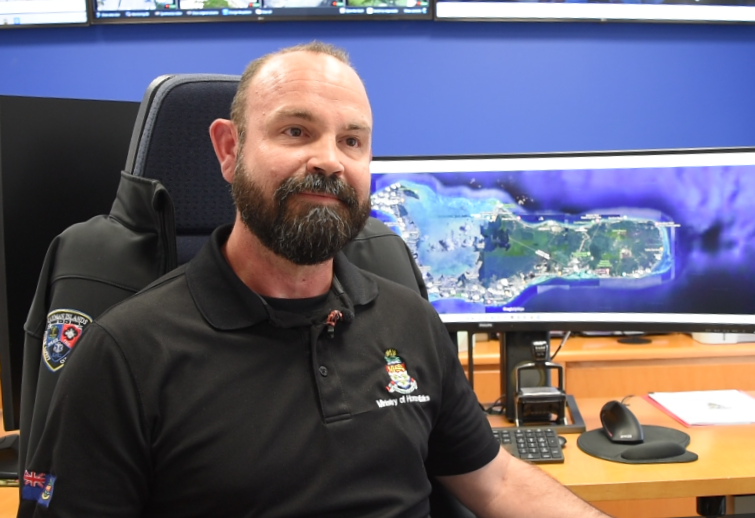
“That’s in excess of a million dollars and that will be applied to very strategically respond to the law enforcement community who have identified a number of key areas across Grand Cayman and Cayman Brac,” he said, noting that this will benefit the RCIPS as well as the Cayman Islands Coast Guard “in terms of protecting the land and maritime domain”.
Last year, Police Commissioner-designate Kurt Walton, then deputy commissioner, said plans were in the works to add more cameras to the local CCTV network to eliminate blind spots and help police in their crime-detection efforts.
He said at that time the existing network of CCTV cameras was a “massive” resource for investigating everything from collisions to the commission of crimes, but there were some key spots that required additional coverage to help with police probes.
The National Security Council, in a 24 May meeting, discussed the expansion of the CCTV system in Grand Cayman and Cayman Brac “to assist with the detection
and prosecution of serious crime” following a spike in robberies, firearm incidents and criminal activities on both islands.
Ebanks pointed out that the CCTV programme is “but one layer in the country’s national security apparatus” that has been expanding since its inception.
“It is a layer that provides a very essential set of tools to our law enforcement community and the intelligence community, and we see it as the way forward in terms of responding to what is in fact a shifting and very dynamic threat landscape”, whether on land or sea, he said.
Ebanks said the vision is to continually upgrade the infrastructure and the technological backbone of the Public Safety Communications Department and the national CCTV programme.
“The idea there is to give a toolkit to our law enforcement and emergency first responders to give them the capability to monitor, coordinate, and analyse intelligence,” he said, adding that he and Turner both believe that “it is through technology and building those capabilities that we actually combat the crime landscape and respond to the evolving risks”.
Related Videos