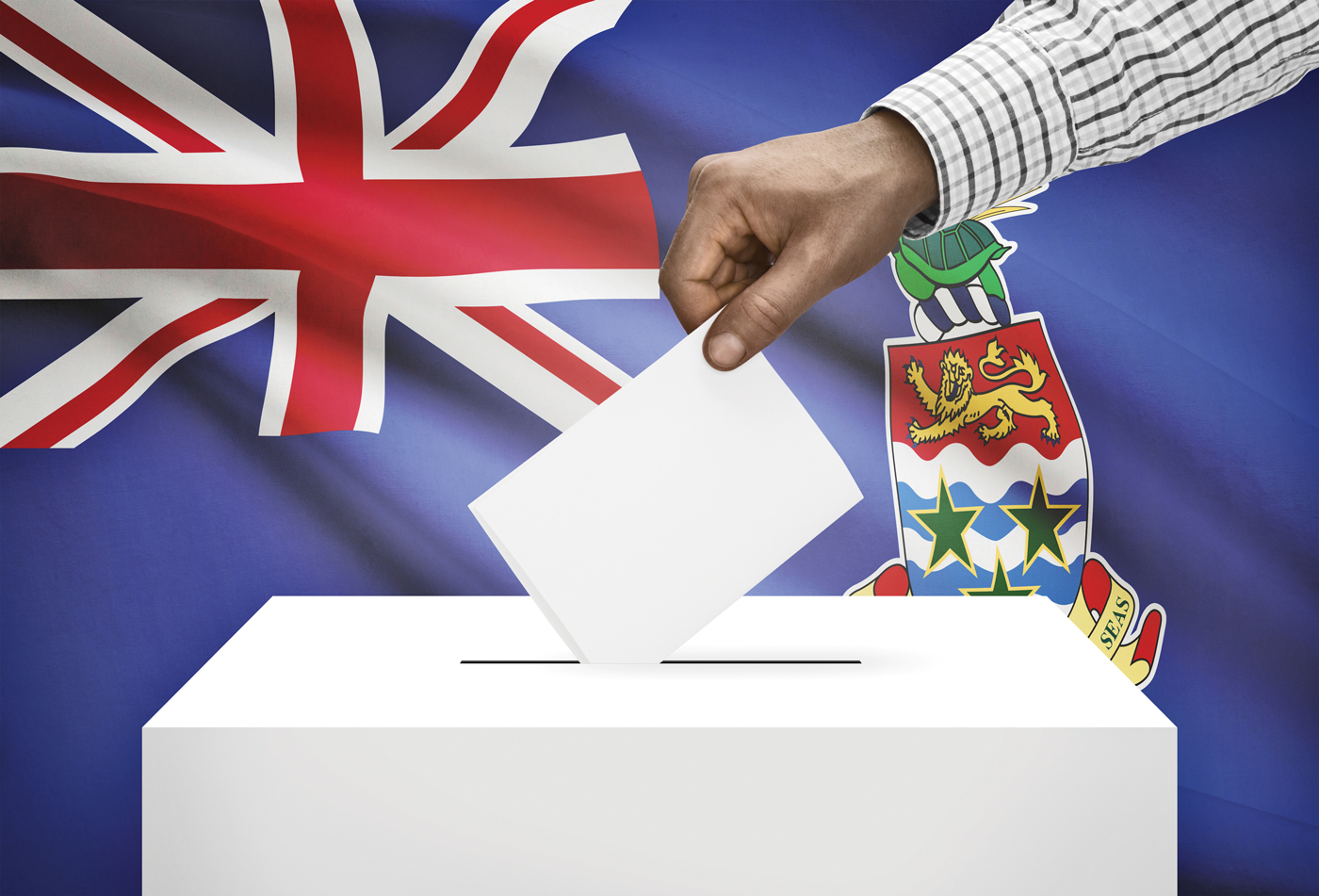
Acting Premier André Ebanks, explaining why government was rejecting recommendations to redraw Cayman’s electoral districts, cited low turnout at public meetings and a timeline too close to the general election as reasons the constituencies won’t be changing this year.
The report of the commission, which was appointed in January 2023, was tabled in the House last week, but was presented by the Electoral Boundary Commission to the governor and to government on 4 Aug. last year.
The report recommended adjusting the electoral district boundaries, except for North Side and East End, and renaming the 19 voting districts. It also offered an alternative recommendation for 20 electoral districts.
Ebanks brought a motion to the House on the commission’s recommendations on Friday, 26 July.
He said few people had attended public meetings – those held either in person or virtually – raising concerns about community awareness and endorsement of the proposed changes.
Ebanks queried if different methods, via social media, for example, should be used for engaging members of the public. “It requires much more creative, robust and targeted approaches to be taken to yield the public’s attention and awareness now than in years gone by,” he said.[
Making changes to the electoral boundaries so close to the upcoming election – expected to be held in May next year – may confuse voters about where they can vote, and could lead to a decrease in turnout, “particularly among voters who may already be less engaged”, he told MPs.
He added, “This would be counterproductive to the overall goal to have as many Caymanian voters turn out to have their say.”
He acknowledged that the report had been handed in almost a year ago, but said government had been too busy with other “pressing issues”, such as creating a two-year budget, to address the report within an appropriate timeframe.
There was not enough time now before the election to carry out “proper public awareness and education ahead of implementing the new boundary recommendations”, Ebanks stated.
The constricted timeline would also adversely affect the Elections Office as there were fewer than 12 months till the election, he added.
“I will remind my colleagues that if the recommendations are accepted, that they would have to be immediately implemented at the dissolution of Parliament and in time for the next general election,” he said.
Ebanks noted that, unlike the 2015 Electoral Boundary Commission, the latest body had been given no specific guidance regarding the boundaries. In 2015, Cayman was moving from multi-member districts to single-member constituencies, so the commission at that time was working to draw up recommendations to make that possible.
He said the next commission could perhaps be given guidelines and specific terms of reference to address Cayman’s growing population and other matters that were raised during last year’s public-consultation process.
Ebanks also noted that concerns had been raised that the commission had not taken into account the socio-economic diversity of the electorate in some districts. He added that “some of the proposed changes could lead to more homogenous economic districts, which would then lead to what others in society are concerned about, of having two Caymans”.
Leader of the Opposition Roy McTaggart agreed that changing the electoral boundaries at this time would indeed confuse voters and was not an advisable step, but noted the government motion to accept or reject the Electoral Boundary Commission’s recommendations should have been brought before the House much earlier.
MPs voted to reject the report and recommendations of the commission.
Related Videos