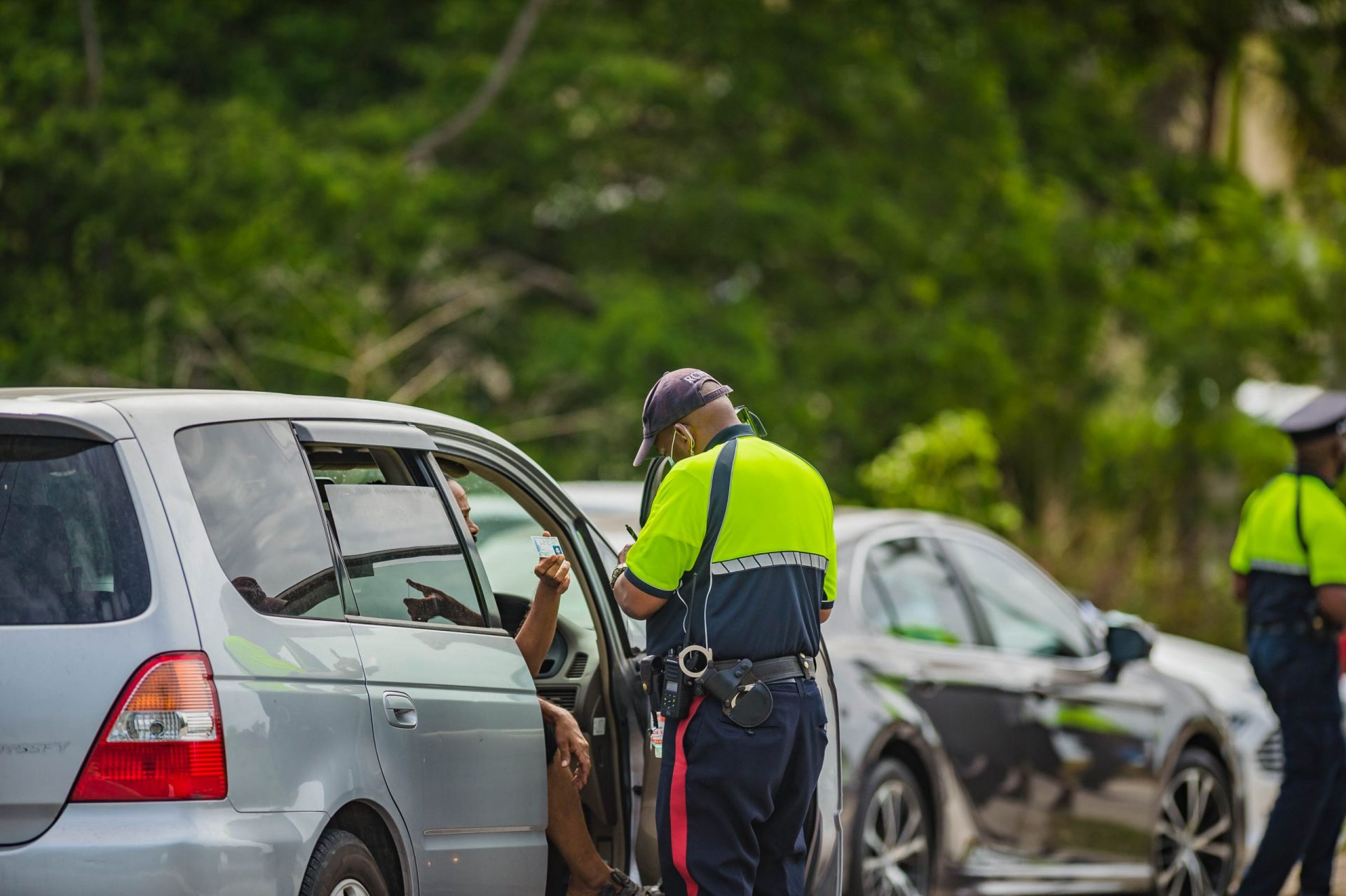
MPs voted unanimously on Wednesday to improve Cayman’s poor traffic safety record by passing the Traffic (Amendment) Bill, 2024, which introduced a range of measures, including a clampdown on mobile phone use while driving, stricter penalties for traffic violations and a demerit points system.
Introducing the second reading of the bill, Transport Minister Johany Ebanks said, “The bill is a cornerstone in our efforts to create a more efficient and more inclusive system for the Cayman Islands.”
He told the House that his department was trying to bring the general public on board with a vision of safer roads, which included the ‘Road to Zero’ national road safety strategy. He also said that he was adopting a “transformative approach” to the issue, including a review of relevant organisations to improve the oversight of transport as a whole, including the Department of Vehicle and Drivers’ Licensing, the Public Transport Unit and the National Roads Authority.
Clampdown on loud truck brakes
Specific measures outlined in the bill included classifying vehicles from the Cayman Islands Regiment and the Coast Guard as emergency vehicles, which would allow them to respond swiftly and effectively to emergencies, and an increase in ticketable offences including the improper use of vehicle registrations and – to applause from the floor of the House – the misuse of loud ‘Jake brakes’, which are used by heavy goods vehicles.
Any handheld use of mobile phones, including checking the time, unlocking the screen, using the camera, sending messages or receiving calls, was made an offence.
Leader of the Opposition Joey Hew rose to say he supported the popular move against ‘Jake brakes’, which, he said, “rattle everyone’s windows and homes at all hours of the morning and night”.
Speed cameras on the way
Former Premier Wayne Panton said he welcomed anything that “would improve the safety of Cayman’s roads”. He asked about the progress on the introduction of speed cameras “because I think that would be really helpful”.
“The reality is that [police] cannot be everywhere all the time,” Panton said.
He spoke of being parked just 100 feet from a recent fatal car accident, saying, “We must do everything we can to prevent these types of things from happening.”
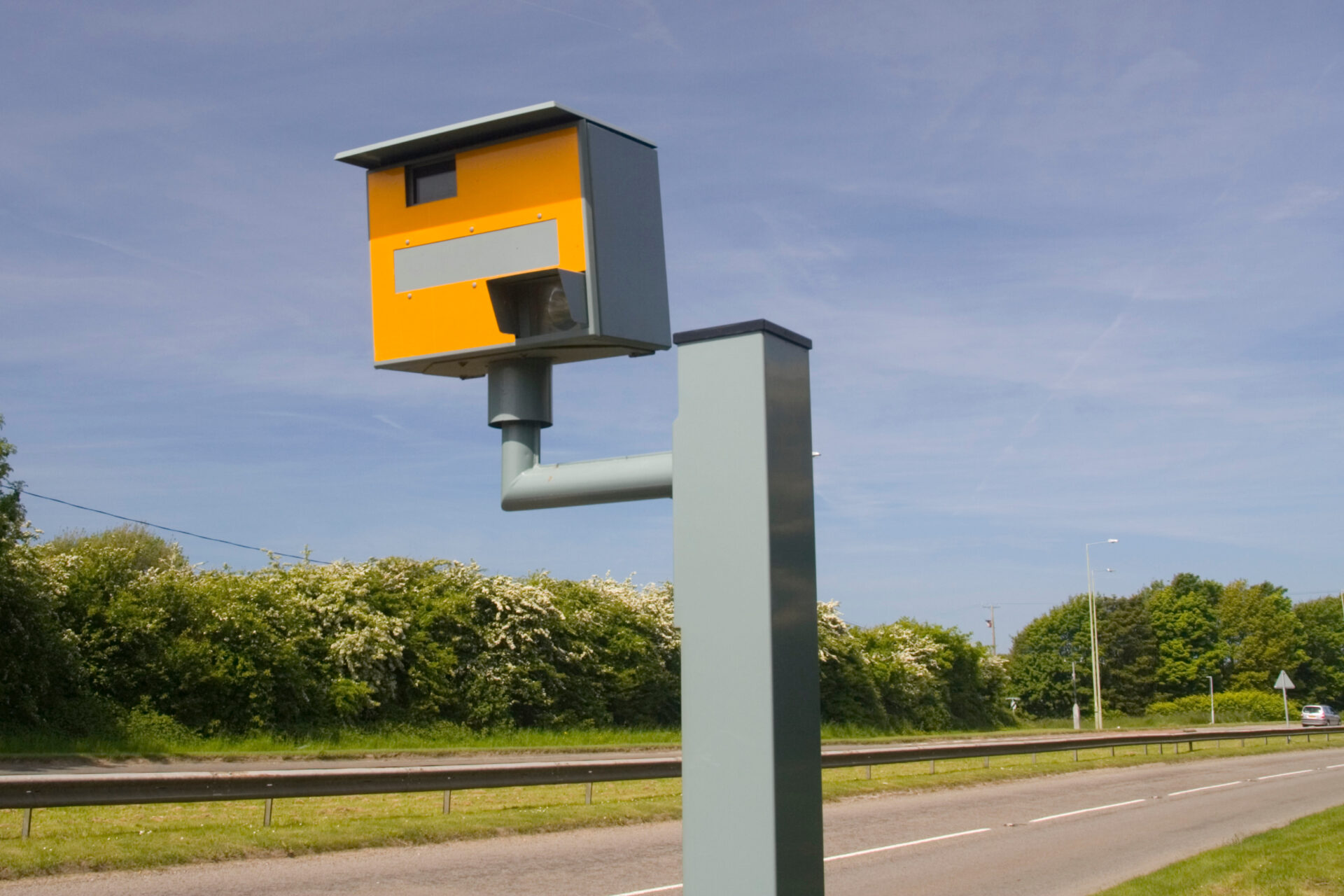
In response, Ebanks said that the introduction of speed cameras was “something that I myself have been waiting on for quite some time” and said that he was happy to report that the business case was practically finished.
“It is going to national security in the first part of next year and from then on, we should be able to roll out these speed cameras,” he said.
The bill will now progress through the committee stages and a third reading to debate any further amendments before receiving the governor’s assent and being enshrined into law.
Related Videos