

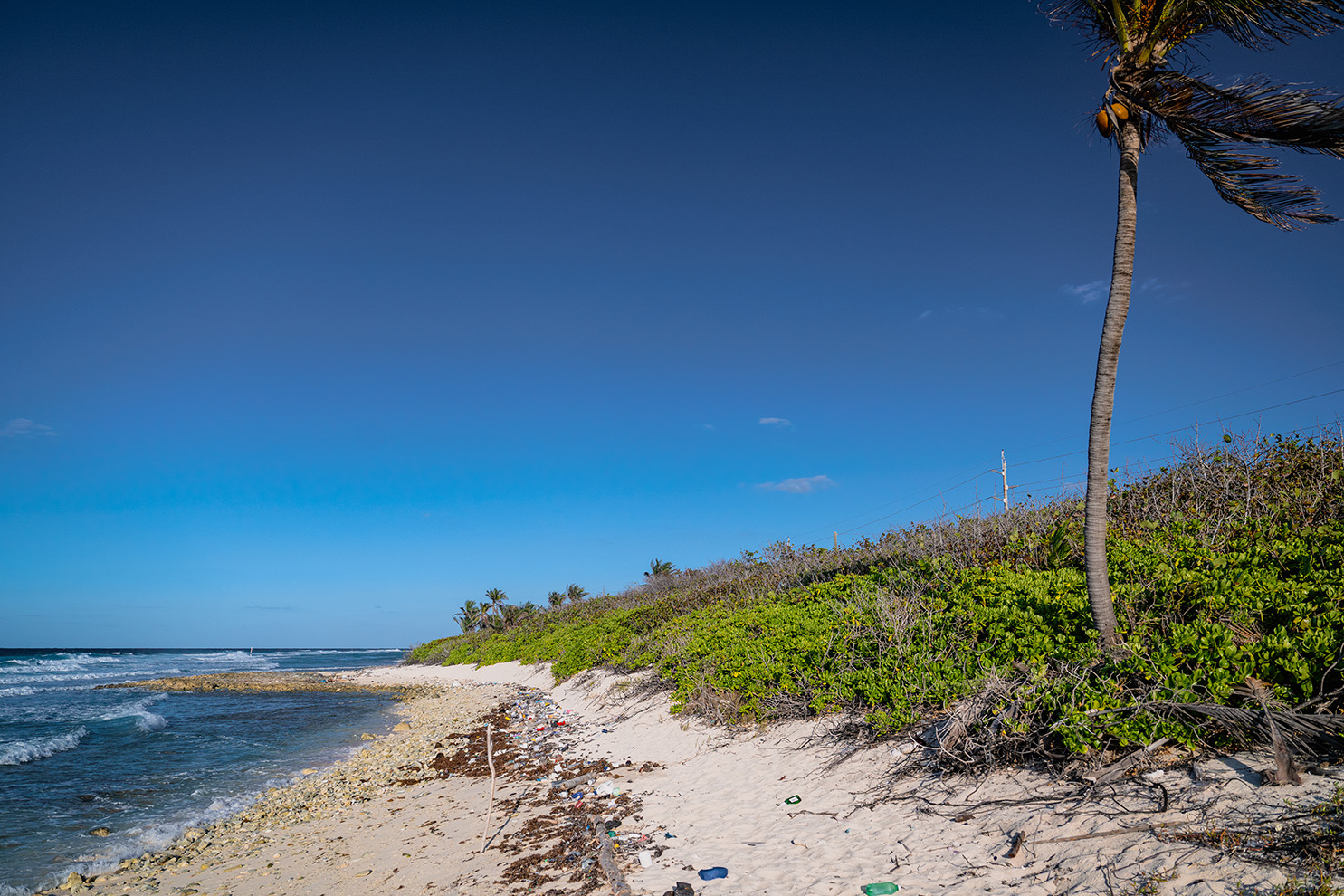
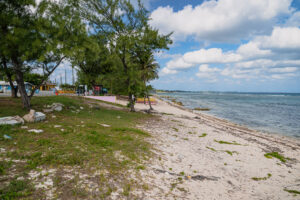
Government spent just over $11 million over the past year to snap up land to create new parks, protect coastal property from development and provide shoreline access.
The purchases of 19 parcels include $1.7 million for a coastal property in South Sound, nearly $4.6 million for two seaside plots on Cayman Brac and another million-dollar piece of land on the North Side coast.
The land on the Brac is intended to create a nature park and public beach amenity around the Bat Cave.
The splurge is part of a concerted and escalating effort over the last several years to buy up land for public parks and for protection. Over the last 8 years government has spent $86million to buy 765 acres – more than half of that in the last 3 years.
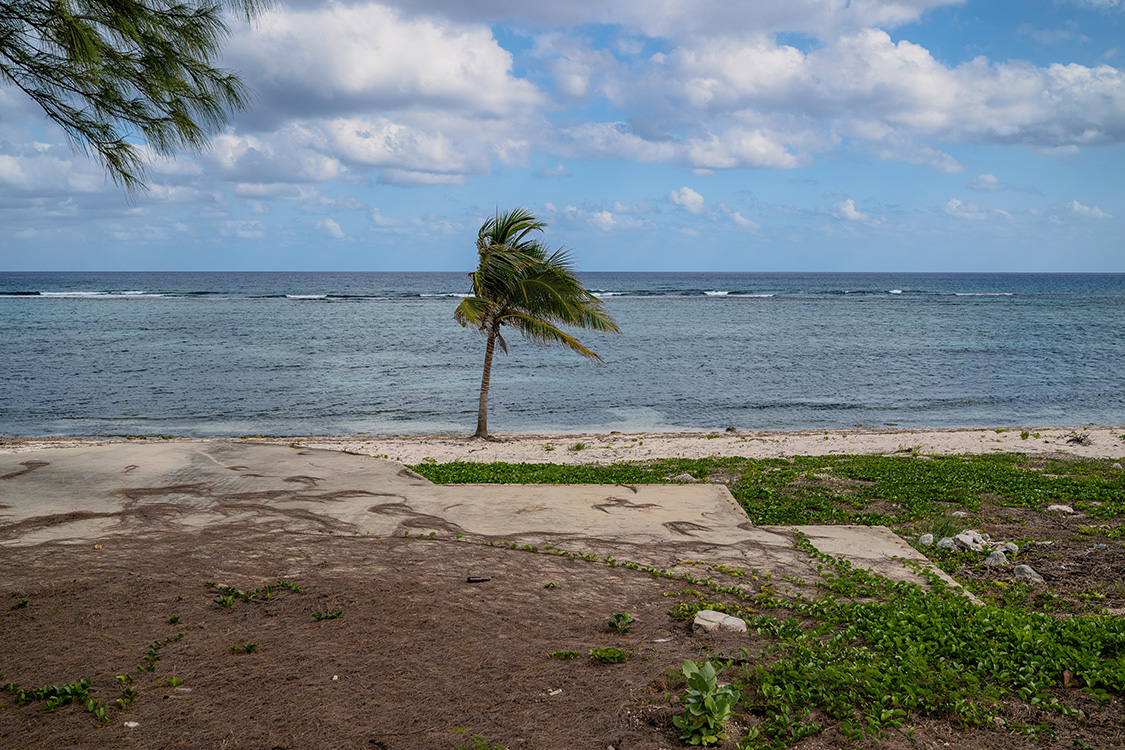
The parcels include some land to become protected areas as recommended by the National Conservation Council. But the project is being driven by the ministry which has a goal to keep pockets of the Cayman Islands coastline free from development.
Wilbur Welcome, chief officer in the ministry, told the Cayman Compass, “There is empirical evidence that there is a diminishing amount of vacant waterfront property that would facilitate public access and use.
“As such the Ministry has consistently over the past six years sought to acquire waterfront property throughout all three islands to prevent future development which would inhibit access to the shoreline for the general public.”
Since 2018, the Crown has acquired 124 separate parcels. These include land for a future park and boat ramp in George Town, and land to expand Governor Russell Beach and Rebecca’s Beach in Bodden Town and Bo Miller Beach in North Side.
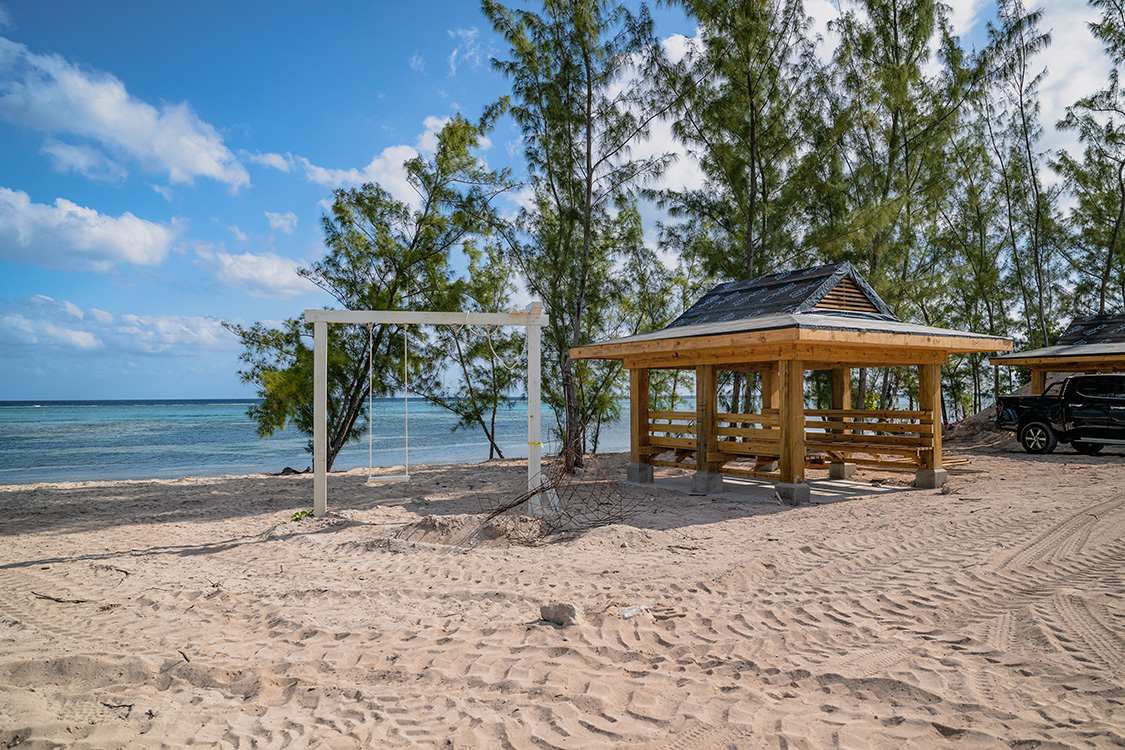
The same purchasing authority – through Cabinet – was also used to buy land for the Central Scranton Park in George Town, for a handful of affordable housing projects that have yet to commence and for land adjacent to public schools to facilitate future expansion.
Welcome said, “The ministry has a vision to create public beach parks of different kinds throughout the islands for the benefit of the people.”
He said this included a mix of areas that were being developed as parks or public beaches with amenities, like the Pease Bay beach project and Cayman Brac calisthenics park, along with pieces of land that would be left in their natural state. Walking trails could be added at some sites.
“The aspiration is to provide different types of properties for all Caymanians, residents, and visitors to visit and enjoy,” he said.
In some cases, the land purchases have caused controversy. Government’s decision to use its compulsory purchase powers in an effort to acquire the Red Spot Bay property in George Town to preserve a fishing market remains an acrimonious work in progress.
But Welcome said this was power used sparingly – with the exception of road development – and only when all other avenues had been exhausted.
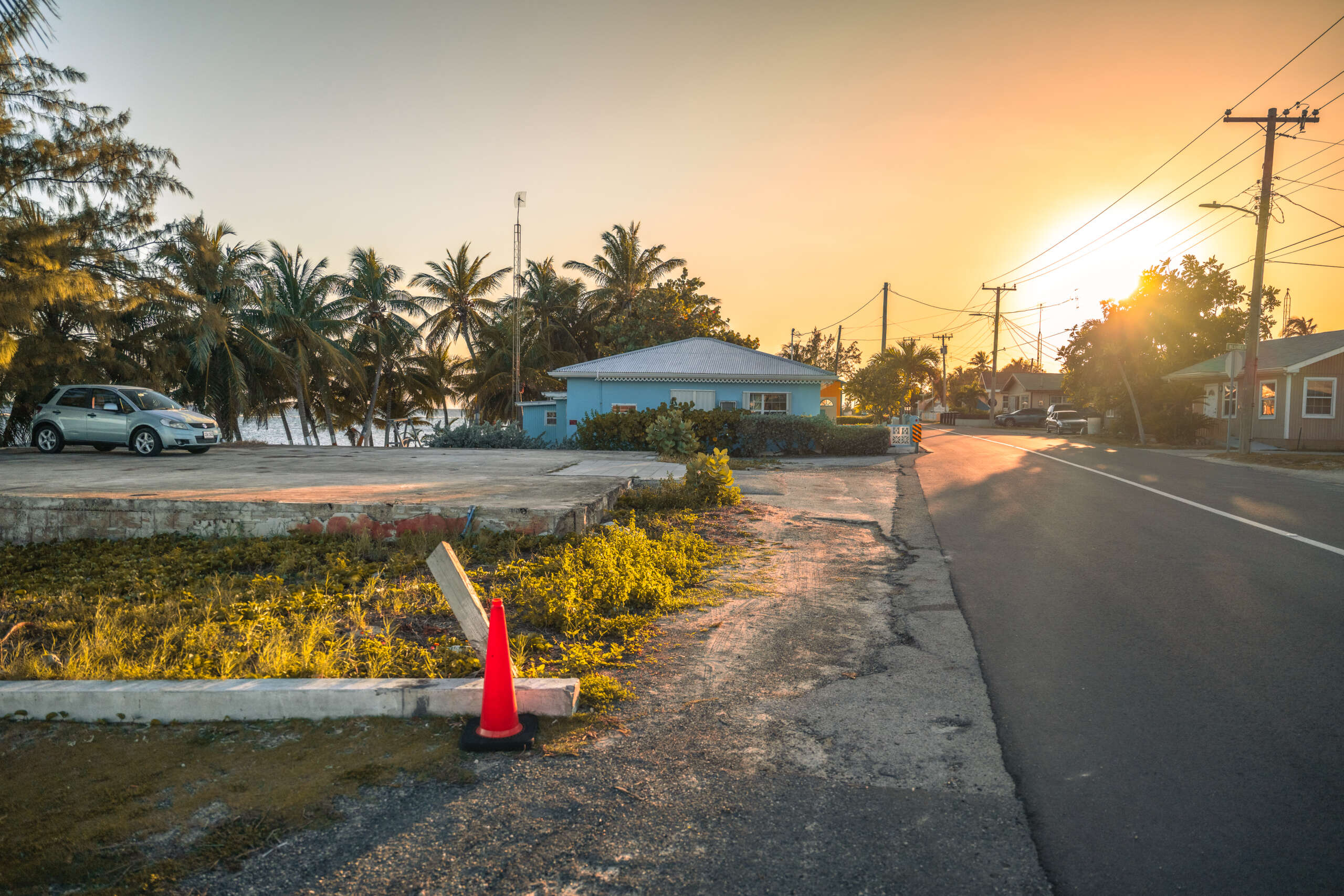
He said the goal of the ministry was to snap up land from willing sellers that could be of public value for leisure and recreation or to provide shoreline access. Valuations from Lands and Survey as well as from surveying firms are used to determine the price.
He added that an estate valuation exercise – planned later this year – is expected to show increases in value since time of purchase.
New signage and a shoreline access map are being developed to facilitate awareness.
The Compass examined comparable and past pricing for the land purchased by government and found it to be broadly within the expected range. A surveyor told the Compass the property could expect to accumulate in value and would yield a reasonable return on investment if sold in future.
The National Trust for the Cayman Islands, which buys up land to protect, said it had not been consulted over the property purchase.
Ashvin Murugesu, chairman of the non-profit, commended the government for taking action to protect land for conservation and recommended it consider working with the National Trust to provide an extra layer of protection.
“For added protection in perpetuity, we would respectfully suggest and welcome such lands being donated to the Trust so that they can be made inalienable under the National Trust law, for the benefit and enjoyment of future generations of the Cayman Islands.”
Non-profit Sustainable Cayman, in a response to questions from the Compass, highlighted concerns around the process of protecting government-owned land.
It said the established procedure under the National Conservation Act, which involves public nomination, was a better methodology for deciding which lands government should buy and protect.
“There is a long list of nominated and approved protected areas awaiting Cabinet final approval as well as a need for a strong conservation act and governance structure that appropriately prioritises and allocates funding for the establishment of protected areas,” the group said in a statement.
Related Videos






It would be interesting to see who the sellers were.
Five years ago Bryan spent $6m on the Smatts land. Apart from erecting a fence he has done nothing. You will note that no one uses it. More extravagant government spending.