Cayman’s push for greater food security has advanced with the launch of its first commercial chicken hatchery, producing both broilers – chickens raised for meat – and egg-laying hens.
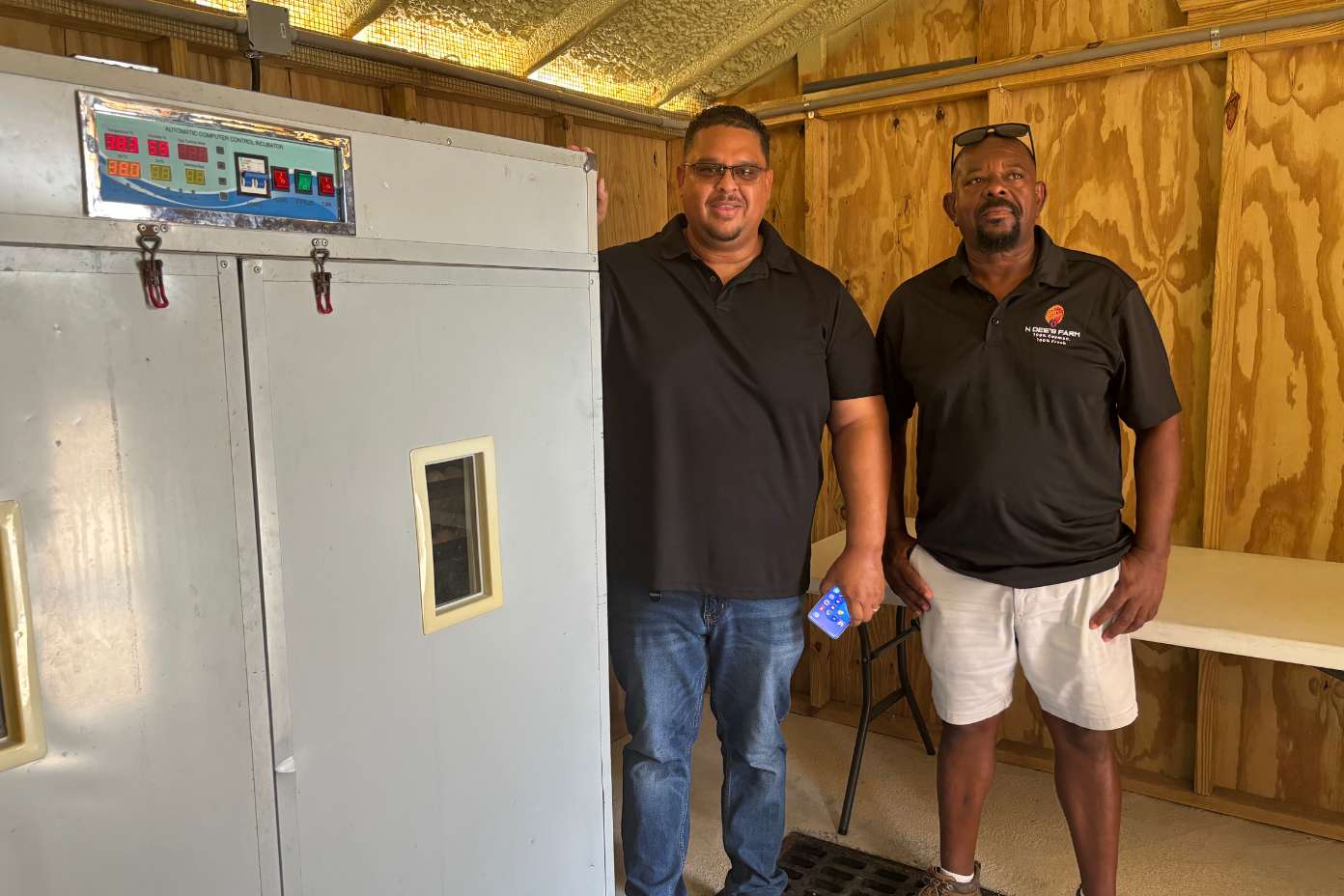
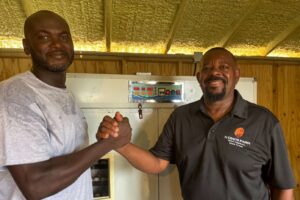
The new venture, N’Dees Farm, led by owner Noel Dawkins and his team, promises to supply thousands of locally hatched chicks each month, reducing reliance on imports and boosting the resilience of Cayman’s poultry industry.
Dawkins, who is a farmer by profession, says the idea has been years in the making.
“I bought my first hatching machine in 2017, but without the right support, it couldn’t take off,” he explained.
The turning point came when he began receiving technical guidance from poultry extension officers at the Department of Agriculture and encouragement from Agriculture Minister Jay Ebanks, whose push for food security helped create the environment for the project to move forward.
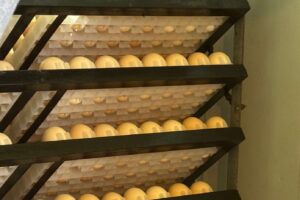
The facility is currently capable of incubating nearly 3,000 fertile eggs per cycle, with a goal of scaling up to 10,000 broiler and layer chicks each month. Using controlled incubators that regulate temperature, humidity and airflow, the eggs hatch after a 21-day cycle. Within 24 hours, the day-old chicks are transferred to the Department of Agriculture, which will then distribute them to farmers.
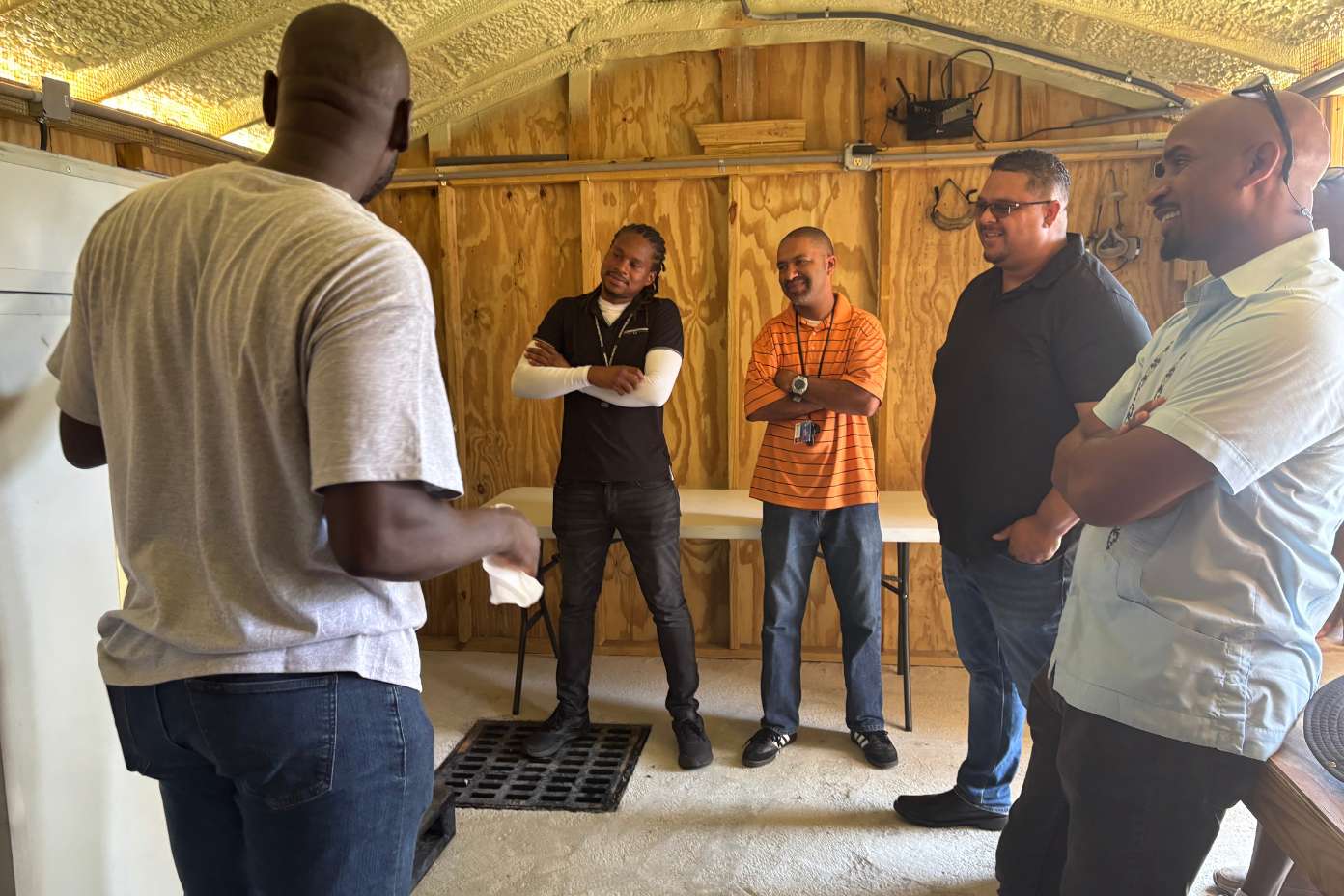
“The earlier we can get them onto feed and water, the better their survival and growth,” explained Sean Lawrence, operations supervisor at the hatchery.
The business also plans to invest in its own parent flock – roosters and hens that can produce fertile eggs locally – by early next year. That would end reliance on imports from Florida and Jamaica.
Cayman’s appetite for imported poultry
Cayman’s appetite for poultry has been on the rise. Data from the Economics and Statistics Office shows the food category covering birds’ eggs increased by 13.3% between 2023 and 2024. Imports of frozen and prepared chicken have also been on the rise, even as live poultry shipments plummeted.
Cayman is relying more heavily than ever on overseas suppliers for poultry. In the five years between 2018 and 2023, poultry imports from Jamaica more than doubled. And over the past decade, imports from the United States – the island’s single largest source – have also more than doubled, making poultry America’s top export to Cayman.
“This is another step that is helping us not have to import from the US or from any other market,” Minister Ebanks said. “It will also guarantee that we are getting a better product for our people. … We’ll know what we are growing and what we are producing and it will bring the cost down.”
Beyond economics, the hatchery addresses a strategic need: resilience. Cayman imports more than 90% of its food, much of it funneled through US ports vulnerable to supply chain issues and in some cases, to price increases due to tariffs. Developing domestic poultry production offers a buffer against those risks.
Meeting market demand
Dawkins says that the hatchery will be initially focused on broilers but will also expand into layers for egg production. This is critical for Cayman, where demand for both meat and eggs is high, but supply is constrained by the challenges of importing day-old chicks.
“Having a local hatchery will reduce the stress on the animals, which will boost survivability as well as increase production on-island once layers reach laying stage and broilers reach growth stage,” said Wilbur Welcome, director of the Department of Agriculture.
By supplying farmers with a consistent stream of chicks, the hatchery will also help stabilise production cycles.
“Farmers will finally be able to plan ahead,” Dawkins said. “Consistency means they can invest more confidently in equipment and infrastructure, knowing chicks will be available every month.”
The venture is also exploring a mobile abattoir to process broilers locally, opening the door for farm-to-market poultry that is sanitary, packaged and hormone-free.
Related Videos